Home → Fishing & Boating → Fishing → Fishing Report
Fishing Report
Click the links below for the most up-to-date fishing news, tips, and recommendations from Maine's fisheries biologists.
The regional fishing reports below were prepared by Maine's fisheries biologists and highlight fishing opportunities, seasonal patterns, and recommended waters for September 2026. Conditions can vary significantly throughout September depending on weather, water temperatures, and stream flows. Always check current conditions and local regulations before your trip. And remember: safety first! Before heading out for a day on the water, always tell someone where you are going and when you expect to return.
Good luck on the water and enjoy Maine's outstanding fall fishing opportunities!
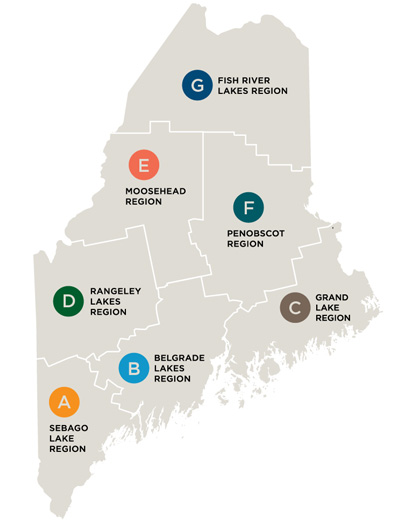
 Sebago Lake Region
From Fisheries Resource Supervisor, Nick Kalejs, 8/28/2026
The fall is a time of transition, with warm, summer weather to start and cooler temperatures coming close behind. As September begins, action on warm water species like bass, perch, pickerel, and many panfish should remain strong. A few waters to try might include Hancock Pond in Denmark, Highland Lake in Bridgton, or Lower Range Pond in Poland.
Once our lakes begin to cool down, many trout ponds in Oxford County can provide good catch rates of brook trout in picturesque settings. Big Speck Pond in Norway and Oversett Pond in Greenwood are some prime examples. Finally, the return of cooler weather usually means more active fish in rivers and streams. The Little Androscoggin River features many access sites and has healthy numbers of both bass as well as stocked brook, brown, and rainbow trout.
Fishing Tip
As the weather changes, so should your fishing strategy. For trout and salmon, fish deeper with sinking lines until the lakes mix with cooler water from top to bottom. Then, look for surface insect hatches and try to determine if fish are coming up to feed.
Reminders
General law fishing regulations on Maine's rivers, streams, and brooks changed on August 16 to help protect spawning fish. On these flowing waters, anglers may use artificial lures and flies only, and the daily bag limits for landlocked salmon and brook trout are reduced to one fish each. As always, consult the 2026 Maine Fishing Laws before heading out to ensure you're fishing legally.
 Belgrade Lakes Region
From Fisheries Resource Supervisor, Jacob Bulich, 8/28/25026
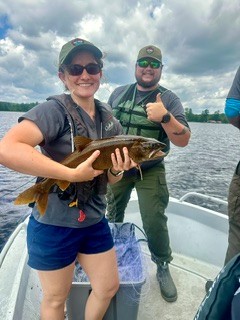
September is an exceptional time for fishing in Central Maine. As water temperatures begin to cool and the days become shorter, fish start to transition from their summer patterns and prepare for the changing seasons. These changes can create some of the best fishing opportunities of the year as many species become more active and feed aggressively in preparation for the long winter ahead. For anglers, September provides opportunities to target a variety of species in both warmwater and coldwater fisheries. Brook Trout are beginning to prepare for their fall spawning season, while species such as Bass continue to feed heavily as they take advantage of the remaining warmth and abundant forage. Lake Trout and other coldwater species can also become more accessible as water temperatures change and fish settle into more predictable areas of the water column.
Bass and Warmwater Fishing
Late-summer and early-fall bass fishing on Maine's lakes and ponds can be a fantastic opportunity for anglers looking to catch trophy-sized fish. During the warmer portion of September, Largemouth and Smallmouth Bass can still be found using shallow-water habitat, especially around structure and areas with an abundance of forage. As water temperatures continue to drop throughout the month, anglers may begin to find fish transitioning toward deeper water and following their food sources.
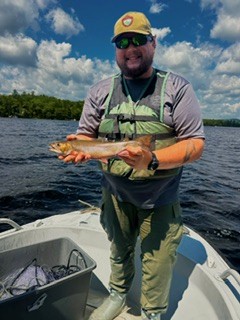
One excellent warmwater opportunity is Flying Pond in Vienna and Mount Vernon. Flying Pond supports an exceptional fishery for both Largemouth and Smallmouth Bass, in part due to its very high smelt population. The abundance of forage provides an excellent food source for predatory fish and makes the pond an interesting destination for anglers targeting larger Bass. Flying Pond also offers considerable depth, with a mean depth of approximately 27 feet and a maximum depth of 80 feet. This variety in depth provides habitat for several other species, including Brown Trout, Landlocked Atlantic Salmon, and Brook Trout. The combination of shallow and deep-water habitat allows anglers to target different species and experiment with a variety of fishing techniques throughout the year.
During late summer and early fall, lures that mimic salamanders can be effective when targeting Bass around shallow structure. As fish begin to key more heavily on available forage, lures that imitate smelt can also be productive. Anglers should pay attention to where baitfish are located and be prepared to adjust their presentation as Bass move between shallow and deep water throughout the day. Early morning and evening can provide some of the most active periods for Bass, particularly as temperatures begin to moderate. During the middle of the day, anglers may find success by working slightly deeper water or areas where structure provides shade and ambush opportunities.
Fishing on Flying Pond falls under the General Fishing Laws for the South Zone. Anglers should always check the current Maine fishing laws before heading out, as general and special regulations can change.
Lake Trout and Coldwater Fishing
Another great opportunity in the region is Sheepscot Lake in Palermo. The lake provides deep, well-oxygenated water that supports a diverse fish community of more than 20 species, including Lake Trout (Togue), Brook Trout, and Smallmouth Bass. The combination of deep water and suitable habitat makes Sheepscot Lake an interesting destination for anglers looking to target Togue during September.
The Maine Department of Inland Fisheries and Wildlife (MDIFW) recently conducted a population estimate of Togue on the watershed, providing some interesting insight into the quality and abundance in the lake. The research indicated that the population is relatively dense and that fish tend to be on the smaller side due in part to the high density of fish and a limited forage base, along with competition from other species. This research has contributed to proposed changes that will liberalize Togue regulations starting in 2027.
One common way to target Togue on Sheepscot Lake is by trolling. Downriggers or lead-core line can be used to present lures at the depth where this species is usually held. During this time of year, the thermocline (or just below it) can be an important area to target, with the thermocline sitting at approximately 25 feet. Copper or silver trolling spoons can be effective when targeting Togue with this method. Conditions can change quickly in September, anglers should be prepared to adjust their trolling depth and presentation. Water temperature, weather, forage, and time of day can all influence where fish are located. Paying attention to these factors can make the difference between simply putting a line in the water and actively finding fish.
Making the Most of September
September is a month of transition, and anglers should be prepared to change tactics as the season progresses. This transition is what makes September such an exciting time to be on the water. Anglers can target Bass in shallow water, troll for Togue in deeper lakes, or take advantage of increasing activity among coldwater species such as Brook Trout.
As always, anglers should be familiar with the fishing regulations for the water they plan to visit. Maine's General Fishing Laws vary between the North and South Zones, and individual waters may also have special regulations. MDIFW provides an online angling tool that allows anglers to look up the regulations for individual waters before heading out.
September also provides a great opportunity to enjoy the changing landscape of Central Maine. The cooler temperatures make for comfortable days on the water, while the beginning of fall foliage provides an added benefit for anglers spending time outdoors. Whether targeting Bass in a shallow cove, trolling for Togue over deep water, there are plenty of opportunities to get out and enjoy Maine's fisheries before the season changes.
Be safe, respect the resource and other anglers, and happy fishing in Central Maine!
 Grand Lake Region
From Fisheries Resource Supervisor, Jake Scoville 8/24/2026
September offers excellent fishing opportunities across the Downeast Region, with a wide variety of waters and species that provide something for every angler.
Where to fish:
If you prefer rivers and streams, September is just what you have been waiting for. As the month passes, cooler temperatures will arrive in the region, which in turn will reduce stream temperatures and once again bring many trout streams back to life. Many of the coastal streams in the region are home to brook trout, but if you are looking for a hidden gem, I'd try Jordan Stream in Seal Harbor. Jordan Stream is the outlet of Jordan Pond in Acadia National Park and flows into Little Long Pond, just outside of the park. A hiking trail follows the stream down into the Land & Garden Preserve and provides easy access for anglers.
In the trout ponds, September is the tail end of the highly stressful summer months when the trout need to find cold-water refuge. In the ponds that provide adequate temperatures to "holdover" trout through the summer, September is a great time to focus on those ponds, and the fish should be good sizes. I'd recommend the harder-to-reach ponds such as Little Pond in Franklin (fly fishing only), Ducktail Pond in Amherst, or Upper Spectacle Pond in Township 19. These smaller, remote ponds have excellent water quality and have been surveyed to have trout over 15 inches.
Tips:
Because the larger lakes are likely to have a thermocline throughout much of September, trolling for salmon and lake trout at depth is still the name of the game. Most larger lakes in the Downeast region develop thermoclines starting around 30 feet, so I'd still start fishing at that depth. Cooler mornings and evenings later in the month should bring fish closer to the surface, but I'd still target deeper water for a consistent bite. If you are fishing a lake with a run of sea-run alewives, September is when salmon and lake trout feed heavily on the small young-of-the-year alewives as they begin to return to the sea. If you are looking for a fly or lure, I'd highly recommend an imitation of a small alewife.
Reminder:
Bag limits and gear restrictions change on some waters in the fall. Be sure to review the 2026 Maine Fishing Laws before heading out to ensure you're fishing legally.
 Rangeley Lakes Region
From Fisheries Field Biologist, Tyler Grant, 8/26/2026
September in Western Maine means cold frosty mornings, bright colored trees, and the return of stream fishing for brook trout. The trout are sporting their brightest spawning colors, and after the summer lull, are finally getting active again.
Where to Fish
Anglers looking to travel some dirt roads and take a short hike this September should give Upper Kilgore Pond a try. This 12 acre pond is located in Pierce Pond township, and can be accessed from the North Bowtown road off the Long Falls Dam road. A half mile hike from the trailhead to the pond is required. The pond has an excellent population of stocked Kennebago strain brook trout. Options to fish from shore are limited, so a float tube or canoe will be your best bet. Upper Kilgore is open through October and November as well under an artificial lure only, and a catch and release regulation.
Small pond anglers know that September means cooler water on top and one last chance to find some wild brook trout before the season closes in many places at the end of September. For anglers looking to have an adventure in a remote area, Cupsuptic Pond is a great destination. Cupsuptic Pond is a small, shallow 20-acre pond in Oxbow TWP in the very northeastern edge of Oxford County. It is accessible via the Wiggle Brook Road off the Tim Pond Road to a small angler trail on the eastern shore. Anglers who are willing to make the trek will find a robust wild brook trout population with fast fishing for small to medium sized brookies and is an excellent place to bring a beginner fly angler.
Stream anglers know that September is a great time to get out and explore. Western Maine has dozens of great options for fly fishing enthusiasts. Well known destinations include the Rapid and Magalloway Rivers, as well as the Dead River and Kennebago River. Some lesser known options that have wild populations of brook trout would be the Swift River in Byron, the Sandy River in Phillips, the Carrabassett River in Carrabassett Valley, and Sunday River in Bethel and Newry. All these rivers have excellent access along decent roads and reward anglers who are willing to take some time to explore and get off the beaten path.
Fishing Tips
Many of the best stream fishing locations get a lot of fishing pressure in the fall. Getting there early and being willing to walk further than your fellow anglers should generate more success.
Reminder
It's been another dry summer in the Rangeley lakes region, and many of our rivers and streams are running abnormally low. Fishing conditions may not be what you'd typically expect in a more normal year. If you're traveling from out of town, plan ahead with a few backup options. Consider checking out lakes and ponds in case your usual river spot has low water levels.
 Moosehead Region
From Fisheries Resource Biologist, Elijah Creedon 8/26/2026
With the start of September and cooler nights settling in, fall fishing opportunities are beginning to pick up. The Roach River, Moose River, West Branch Penobscot River, Caucomgomoc Stream, and the East Outlet of the Kennebec River are all excellent destinations for anglers targeting landlocked salmon and brook trout. Before heading out, be sure to check special regulations using the Maine Fishing Laws Online Angling Tool. River flow information for the Moose River, East and West Outlets of the Kennebec River, and locations on the West Branch Penobscot River can be found through the Safe Waters website. For current flows on the Roach River, call 207-695-3756, press 2 for fisheries, then 1 for the flow report.
If you're fishing the Roach River, East Outlet of the Kennebec River, or the Moose River below Brassua Dam, please take a moment to complete a survey card at one of the voluntary angler census boxes. The information collected provides valuable data that helps guide management of these fisheries.
Don't overlook the ponds! As cooler weather arrives later in September, surface temperatures on many brook trout ponds throughout the region will drop, bringing fish back into shallow water during the morning and evening hours. Cold Stream Pond (Parlin Pond Township), Little Lang Pond (Parlin Pond Township), and Horseshoe Pond (Bowdoin College Grant West Township) all support quality brook trout fisheries and are well worth a visit as summer transitions to fall. Several of these ponds also have voluntary angler census boxes at their boat launches, so please fill out a survey card if you see one.
For anglers seeking steady action and a few fish for the freezer, consider a trip to the northern part of the Moosehead Lake Region. Recent surveys of Loon Lake (T6 R15 WELS), Umbazooksus Lake (T6 R13 WELS), and Caucomgomoc Lake (T6 R15 WELS) found abundant populations of both yellow perch and white perch, making these waters excellent choices for a productive day on the water.
Reminder
Late September brings the start of several hunting seasons, including ruffed grouse, woodcock, and migratory waterfowl. With many waters remaining open until September 30, it's the perfect time to enjoy a traditional "cast and blast" adventure—combining a morning on the water with an afternoon in the uplands.
 Penobscot Region
From Fisheries Resource Biologist, Cole Porter 8/27/2026
By the time this fishing report is posted the cooler nights will have already started to cool the waters of the Penobscot Region. This is good news for the angler looking to get a few more casts in before the fall hunting season gets into full swing. Don't let thoughts of chasing grouse or leaf peeping get in the way of a relaxing September day on the water.
Where to fish:
- Grand Lake, East located in Danforth, Forest City, Weston, and Orient is an excellent place to troll for Landlocked Salmon this time of year. Other cold water species to target here include brook trout, lake trout, and lake whitefish. East Grand is very large at 16,070 acres, remember to check the weather forecast before venturing out. Public boat launches can be found on Butterfield Landing Road in Weston and Greenland Cove Road in Danforth.
- Mitchell Pond located in T7 R9 has had reports of healthy brook trout being caught this year. This water has hand carry boat access located approximately 11.5 miles on the Huber Road off the Grand Lake Road northwest of Shin Pond.
- Trout Pond located in T2 R7 (Soldiertown) is a great option for the adventurous brook trout angler. A vehicle suited for unmaintained gravel road travel as well as a good map will be needed to access this water. Suggested route for best road conditions would be to leave the pavement just west of Dolby Pond onto Chip Plant Road. Then onto Huber Road to the north and across to the Stacyville Road on a connector that runs east to west just south of Whetstone Mountain. Trout Pond is approximately 2 miles north of this junction on Stacyville Road.
- Mattawamkeag River located in Island Falls is a great river to check out whether you are taking a kid fishing from shore or are looking for a new place to go for a paddle in a canoe or kayak. This river has an abundant population of smallmouth bass and with the water cooling you might hook into a landlocked salmon or brook trout as well. Access can be found beside the Old Patten Road bridge as well as an unimproved hand carry located on the Merriman Road.
Fishing Tip:
With special fishing regulations sometimes requiring the use of artificial lures and flies only, using a sinking fly line can be a very effective way to catch fish. A sinking fly line will help you reach the fish that are feeding on minnows and insects down near the bottom of the waterbody that you are fishing. Try tying on a fly that resembles a leach or minnow such as black woolly buggers and muddler minnows. After casting, allow time for the line to sink before experimenting with different speeds of retrieval.
Reminder:
Many of Maine's inland waters have special fishing regulations in place. Using the Fishing Laws Online Angling Tool (FLOAT) is a great way to quickly check the regulations for the area you plan to fish. You can find the FLOAT at this link: Maine Fishing Laws.
 Fish River Lakes Region
From Fisheries Resource Biologist, Frank Frost, 8/27/2026
September in northern Maine can be a great time for fishing. While most anglers are already thinking of the transition to fall hunting, some anglers are looking forward to some great fishing action toward the end of the month. When weather conditions are favorable, September can be a great month to be on the water. Currently, waterways in the region are well below normal water levels, but the weather forecast is favorable for the first week of September with precipitation and cooler temperatures predicted. Fishing conditions are heavily affected by weather in September, so anglers should watch river flows and temperatures to plan their trips. With the right conditions, the last two weeks of September can be some of the best fishing of the season.
Where to fish this month:
- Aroostook River watershed has many public access sites available particularly in the larger towns. From Fort Fairfield to Ashland, each town has a public boat launch. If water levels are up, anglers can float the River to locate brook trout and landlocked salmon
- Fish River watershed has a lot of options from the large lakes to the slow moving thoroughfares. Long Lake is one of the premier landlocked salmon waters in the State and has several public boat launches. The thoroughfares also can see significant fish activity in September as water begins to cool down and salmon and trout begin to stage for late fall spawning.
- Cross Lake is one of the large lakes of the Fish River Chain mentioned in 2 above. There is a public launch and parking area off the end of the Disy Road. Brook trout, salmon, and numerous non-sport fish are sought after here; for bank anglers there is a large beach area with deep water within casting distance.
Fishing tips:
- When looking for trout in flowing waters of the Aroostook, as suggested here, be sure to look further upstream in the watershed from where you found them in early summer. Trout make a slow movement upstream each year seeking out cooler water temperatures. This usually places them into smaller tributaries that have good access (no blockages to upstream movement like hanging culverts), so you may find adult trout in the 10-18 inch range in some very small waters. The confluences with smaller tributaries are a great place to start looking then work upstream from there.
- When looking for salmon and trout in the larger Fish River Lakes, focus on shallow shoreline areas that are rocky. Our sportfish generally start seeking out these shallow areas in September as water temperatures cool. Salmon and trout are looking for tributaries to stage for spawning this time of year.
Reminder:
Eagle Lake is one of the larger waters of the Fish River Chain. Our work this past summer shows there remains a large number of landlocked salmon here even after nearly 12 years of a very liberal bag limit on the species (no bag limit under 14 inches). We are encouraging anglers to fish Eagle for the fast salmon fishing and also harvest their catch. Our studies show that these small salmon are a major factor in controlling the lake's smelt population, the main forage for all of the sportfish in the lake, including lake trout. Smelt are also an important sportfish themselves; winter anglers focus attention on catching smelt to eat and for using them as live bait. We are actively trying to manage the balance among all of these uses. Reducing the lake's salmon population is one important strategy to accomplish that.