March 20, 2026 at 2:43 pm
When people ask about my career with the Maine Warden Service, I tell them the truth: I feel incredibly grateful that I got to end my working life as a Maine Game Warden. And the truth is, once you’ve done this job, you’ll always be a game warden.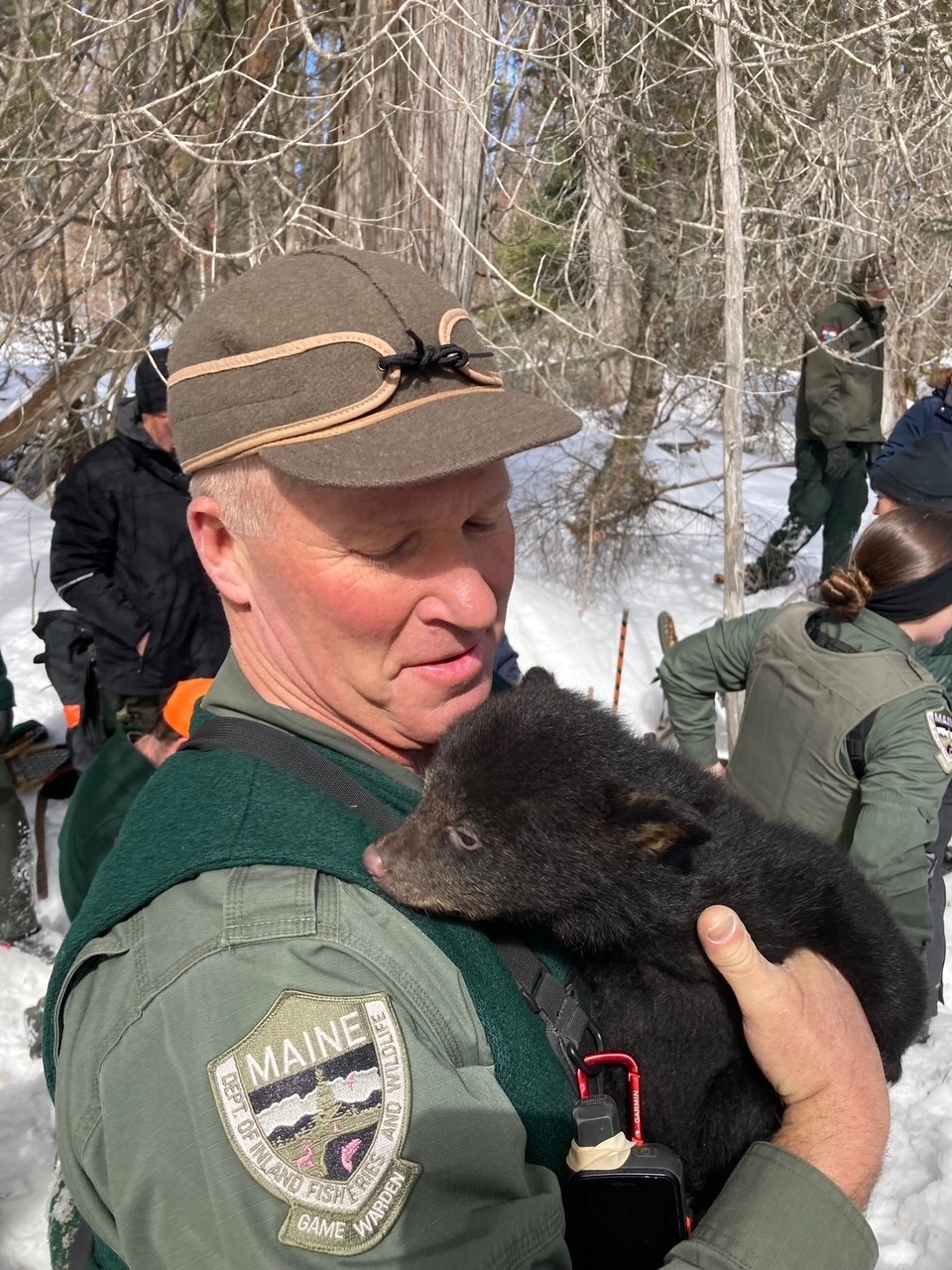
I didn’t grow up in Maine. Before I ever pinned on the badge, I was a rancher out west. I spent years guiding elk hunts in remote wilderness, packing in on horseback and helping people experience places most folks never get to see. I then moved to Maine and worked as a fly fishing and hunting guide for Libby Camps in Ashland, and spent winters working on a dairy farm.
Looking back, guiding and being a game warden are closely connected. As a guide, you help people experience the outdoors the right way. As a warden, you still do that—but you also enforce the law and encourage people to do the right thing when no one is watching.
My path into the warden service actually started with a conversation. My son Colton had just turned eight and wanted to take a hunter safety course. That’s where I met Game Warden Sergeant Chris Simmons. We got to talking, and he invited me to ride along one day. At the time, I assumed becoming a warden required a college degree, so when he told me it didn’t, it opened my eyes to the possibility.
I can honestly say Maine Warden Service made me a better man because of the men and women I served alongside.
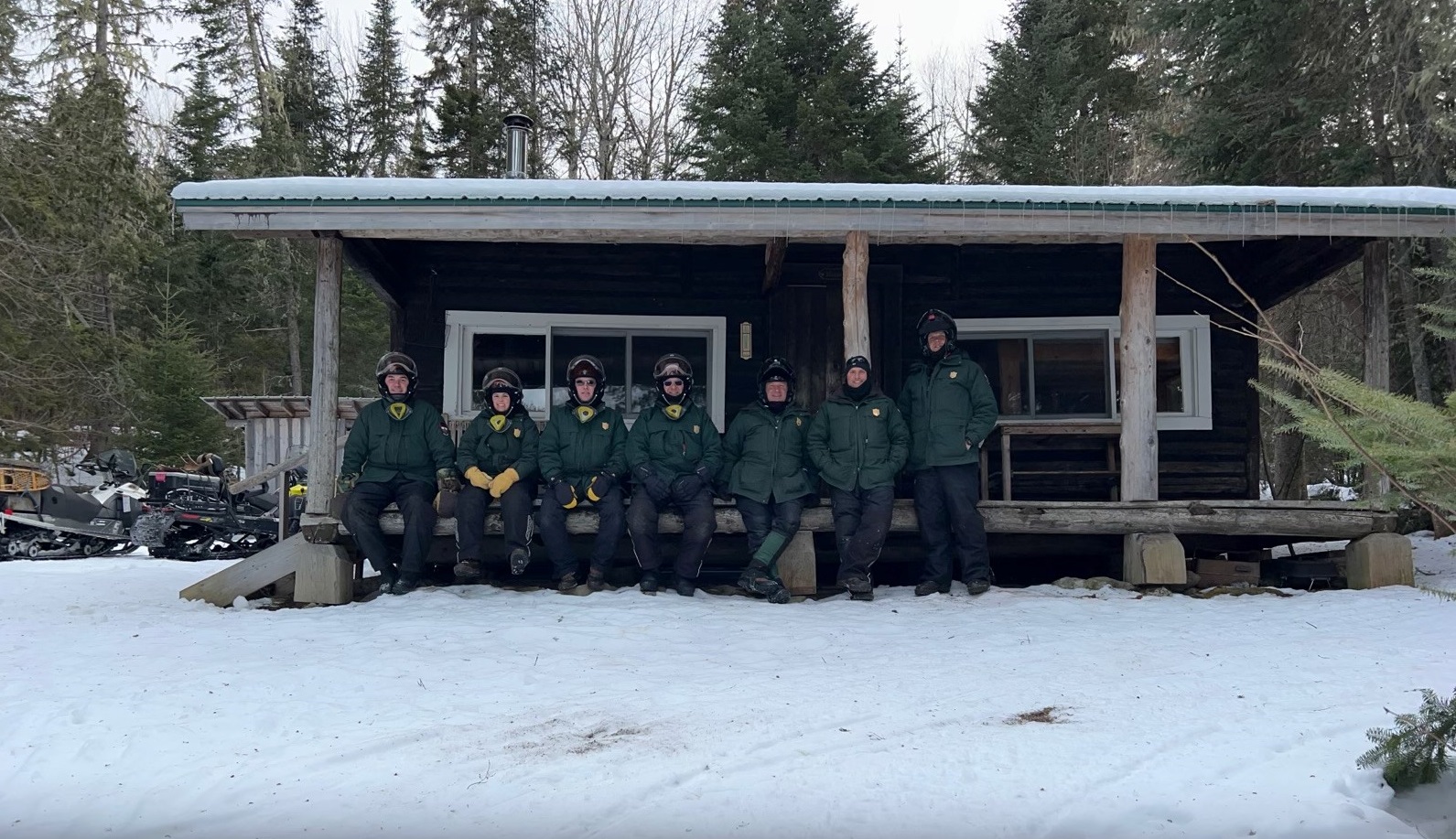
Living the Remote Patrol
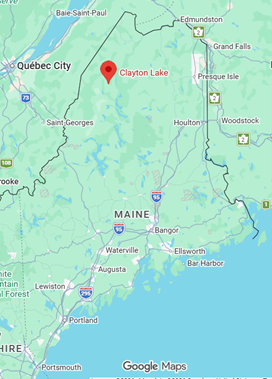 The most unique chapter of my career came when I was stationed at Clayton Lake in northern Maine. I spent eight winters there, and I count my time in winters because that’s really how life in that country is measured.
Clayton Lake is one of the last true remote woods patrols in the country. In the winter, there might be twelve people in the village—sometimes fewer. During the week you’d see logging crews. On a quiet winter weekend, there might only be three of us around.
And as the warden in that district, you were it.
In bigger towns, there are more people around and more resources nearby. But in a place like Clayton Lake, you are their game warden. If something happens, you’re the one responding.
Some weeks I wouldn’t even start my truck. I’d travel everywhere by snowmobile. I made and maintained some of my own trails between places like Ross Lake and Big Eagle. That kind of patrol teaches you to be self-reliant. When you’re that far from town, you carry the tools you might need—chainsaw, jack, chains, shovel, axe—because you might be the only help available.
But the reward of that life is something hard to describe.
There were mornings when I’d sit on the porch with a cup of coffee and hear a partridge drumming somewhere in the distance. Nights when the woods were so quiet and dark you could hear loons calling from miles away.
Most people experience that once or twice in their lives.
I got to live it.
The Wildlife and the Seasons
 Even blackfly season.
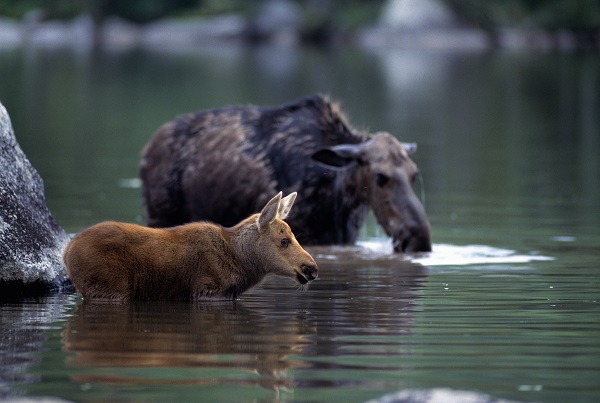
Spring was short but full of life. The first week of May you’d start noticing the snow piles melting away. Soon the bears would appear, and you’d see partridge crossing the road with broods of chicks running behind them. Some years I’d see twin moose calves just learning the world.
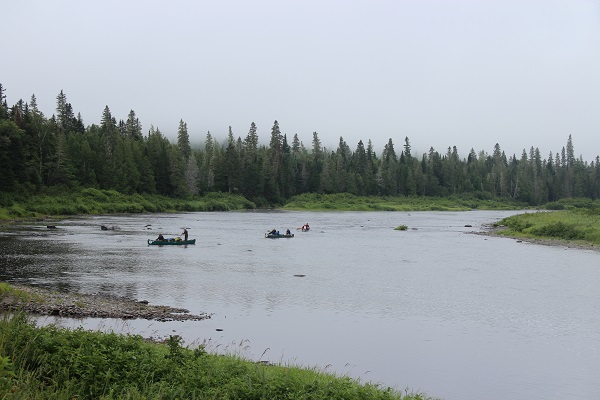
Summer brought paddlers from all over the country traveling the Allagash Wilderness Waterway. For many of them it was a once-in-a-lifetime trip, and I enjoyed meeting people who had dreamed for years about paddling that river. My wife Sharon had spent a lot of time on the Allagash growing up—her father was a guide there—so while living at Clayton Lake she often helped with safety programs and training alongside the rangers.
Fall smelled like skunk lure to me.
That’s trapping season. I was a trapper myself, so I loved checking in with trappers in the district and seeing how their skills improved over the years. You get to know people and hear their stories—someone using their grandfather’s rifle, a kid harvesting their first bear or moose.
A lot of people think being a warden would take away from your own hunting and fishing time. I always felt the opposite was true. You’re always scouting and you’re right there with people during those moments. You’re part of the story when a kid gets their first moose or experiences the North Maine Woods for the very first time.
A Rescue I’ll Never Forget
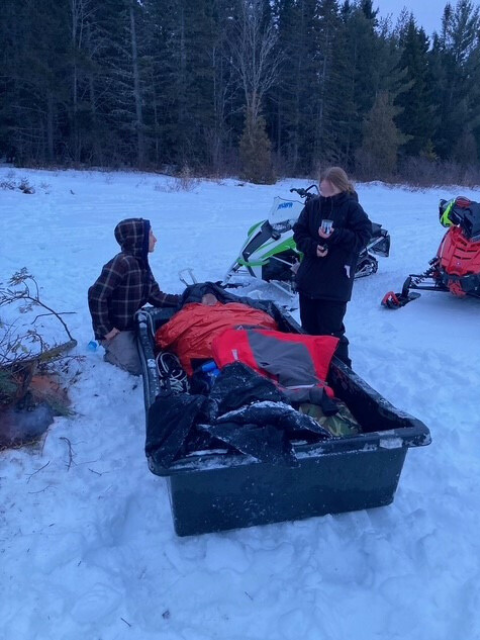 The most rewarding moment of my career happened during my time at Clayton Lake.
It was my day off when a call came in about a snowmobiler who had gone through the ice. In a remote district, people know you’ll respond if someone needs help. My wife Sharon plugged the coordinates into my phone while I was getting ready to head out so I could visualize the route and make a plan.
When I arrived, the man was unresponsive.
With the help of others on scene, we got him out of the water, into dry clothes, and into a warm sleeping bag. Sharon had prepared warm fluids that we used to help bring his body temperature back up. A helicopter landed nearby, and we carried him out to the pilot.
Those minutes mattered.
Later he told me he could feel that warm water all the way to his toes as he started to recover. He survived, and over the years we became good friends. When I see him now and we shake hands, he laughs and says, “Mark, your hands are warm.”
I don’t claim to have saved his life alone. A lot of people were involved. But being part of that effort was the most rewarding moment of my eight winters there.
Second Chances
One thing I always believed in was giving people a chance to change, to have a new day.
Yes, sometimes enforcement requires a summons. But many times, a serious conversation can have more impact. I got to meet a lot of very good people in the North Maine Woods.
I remember a man who worked with kids in an after-school kayaking program. One morning I had watched him teaching those kids about outdoor skills and safety. Later that same day, I checked him fishing in a fly-fishing-only zone with a worm.
I was disappointed and told him so, and issued a summons. I explained that when you’re teaching kids, you’re setting an example about doing the right thing even when no one is watching.
My phone soon rang, there was a bad vehicle collision with a moose and I had to rush to the scene.
There was another violation I did not have time to address given the emergency, but I went back to his house for a conversation later.
Years later I met his mother in town. She asked if I was the game warden who had stopped by their house one night. When I said yes, she started to cry. She told me that conversation changed her son’s life.
Moments like that made me feel like I had done my job. I had truly helped someone.
Family and the Warden Life
 The Maine Warden Service is a career that involves your whole family.
When I started, I was 44 years old and my kids were growing up fast. My twins were eleven and my oldest was fifteen when I was hired. They spent a lot of time around the job—watching snowmobiles, helping take notes, learning what their dad did.
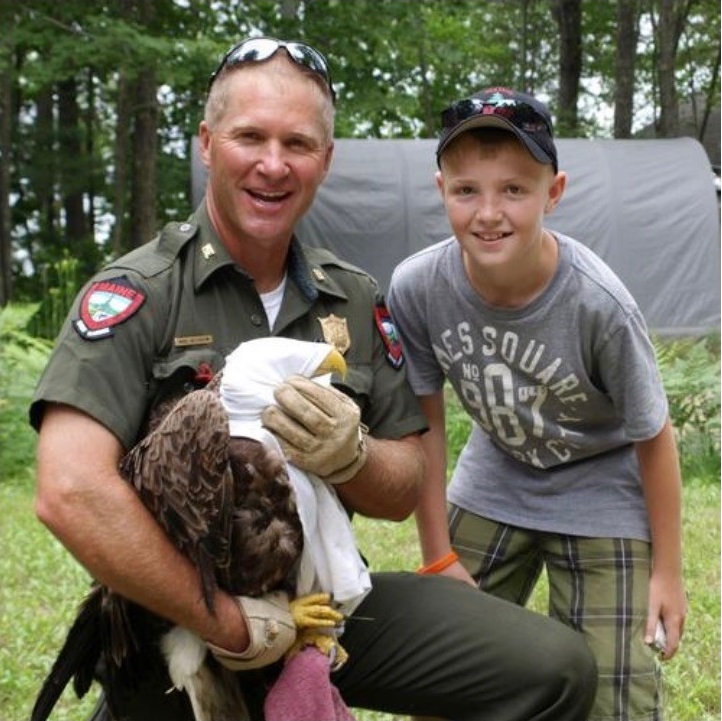
One day my son Colton even helped me catch a bald eagle that had been hit by a car. With a wingspan close to seven feet, that’s no small task. We brought the bird home and coordinated with a wildlife rehabilitation group to help it recover. Moments like that gave my kids a front-row seat to wildlife conservation.
Today, Colton is a Marine building a career in leadership, my son Will is a Sergeant with Parker County Sheriff’s office in northern Texas, and my daughter Morgan works as an ultrasound technician in Colorado. I believe the work ethic and responsibility they learned growing up around the job helped prepare them for their own paths.
When you talk to other wardens who spent time at a remote woods district, a calm smile appears on their face as they reminisce about some of the most special times of not only their careers, but time with their spouse and kids. When you were home, you were truly home – no distractions. Homeschooling the kids, creating special lesson plans around moose season, snowmobiling during lunch break, catching a salmon for dinner, or teaching them to swim.
The warden service encourages family time and balance, and I’m thankful my family was part of that journey.
What It Takes
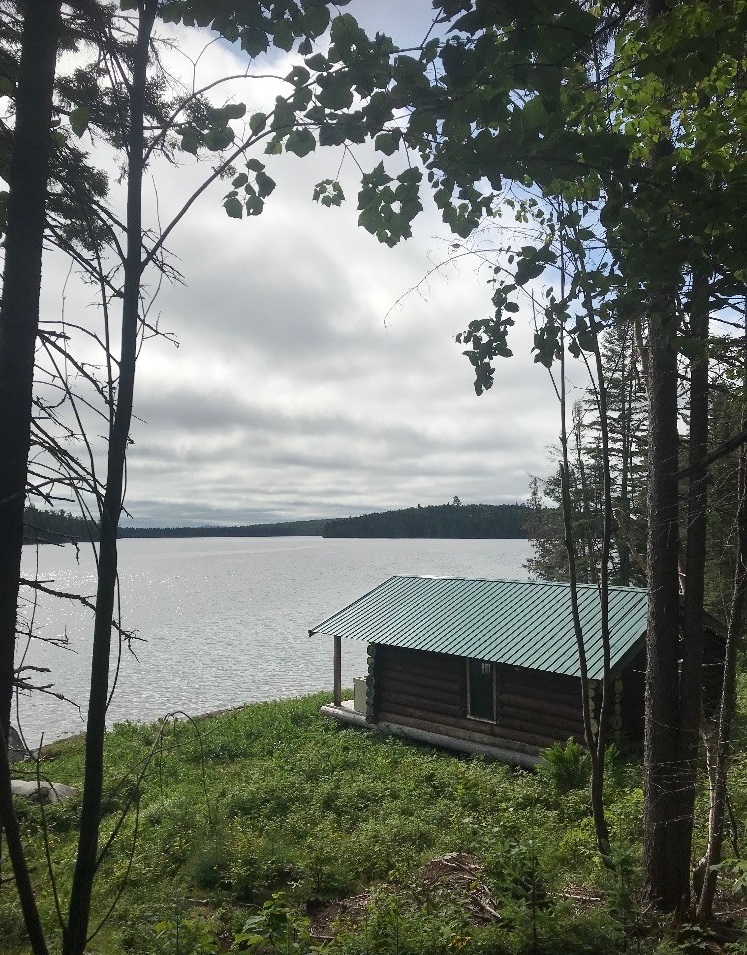 People sometimes underestimate their own experience when they think about becoming a game warden. Working in the logging or guiding industry are both great pathways to this career.
My ranching background taught me more than I realized at the time—hard work, problem solving, independence, and being prepared. If you love the outdoors, know how to use an axe and shovel, and are willing to keep learning, those skills matter. Advanced Warden School will teach you the rest.
The training within the warden service is exceptional. I used to think the cowboys I worked with out west always had my back. But once I joined Maine Warden Service, I realized I had a whole new group of brothers and sisters standing beside me.
A Team Like No Other
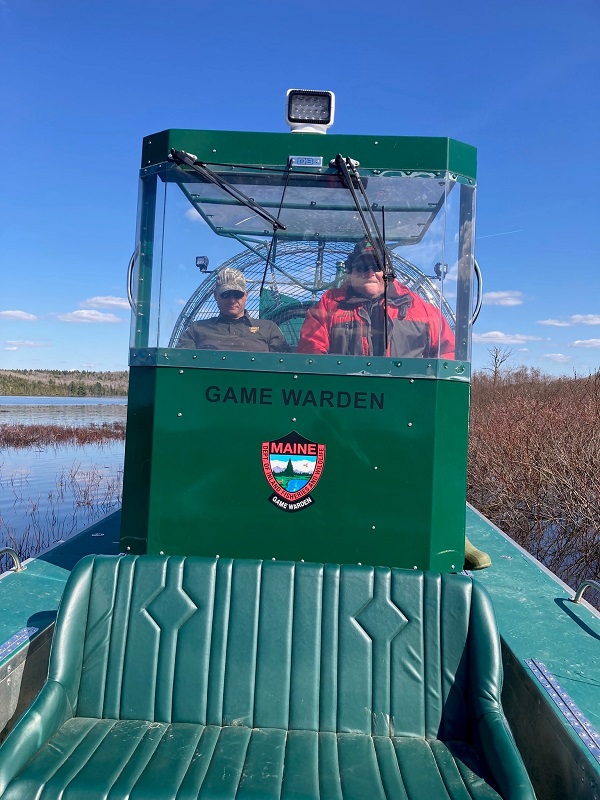 Even in a remote district, you’re part of a larger team who looks out for one another.
I really enjoyed being part of the airboat and Critical Incident Stress Management (CISM) teams.
As an airboat operator, we trained to respond quickly to high-risk emergency situations, often working alongside the dive team, to rescue and recover people. It was a unique way to support the communities of northern Aroostook County. Airboats allow first responders to reach people fast during periods of poor ice and floods. The team has been called on to help with natural disasters across the country.
I also was part of the CISM team, providing peer-to-peer support and debriefings before, during, and after potentially traumatic events. Our work can place us in high stress situations, and wardens are dedicated to ensuring no team member or agency partner feels like they are facing those moments alone.
There are other specialty teams and paths including K9, dive, aviation, honor guard, firearms, special investigations, and forensic mapping.
Wardens work closely with local police, fire departments, and volunteer search and rescue personnel. In a remote district like Clayton Lake, those partners are a bit further away. But I found myself working closley with large private landowners who open thousands of acres to the public—I was their eyes and ears. After all, I lived on land they leased to the state. I also worked closely with Maine State Forest Service, Allagash Wilderness Waterway, land management companies, the Nature Conservancy, and the North Maine Woods who issues commercial and private bear bait sites and manages hundreds of campsites.
The Quiet Woods
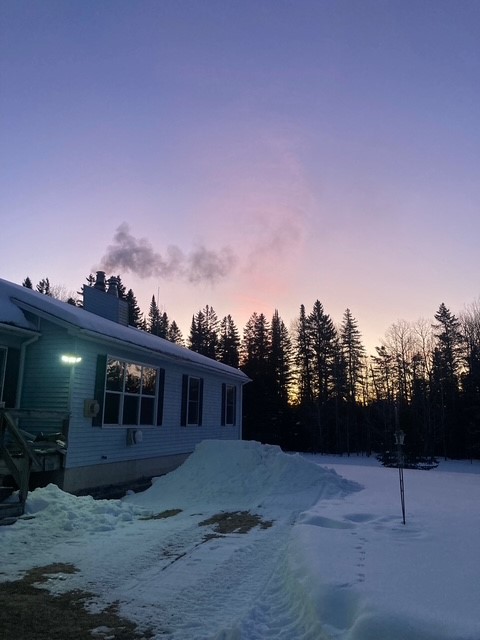 When I think back on my time at Clayton Lake, one thing stands out more than anything else.
The quiet.
Real darkness in the woods. Star-filled skies. A distant partridge drumming. Geese calling across a lake. The stillness of a winter night.
Most people only experience that once in their lives.
For eight years, I got to live it.
And I’ll always be grateful for that.
Dreaming of a change of pace, or a whole new way of life?
Maine Warden Service is hiring. Opportunities are available statewide, with a greater number of opportunities available in Aroostook, Northern Piscataquis, and Northern Penobscot Counties.
These northern woods districts offer a rare opportunity to step back in time—to a place where moose and wild brook trout outnumber the people. And where there isn’t a street light or pavement in sight.
- Remote woods districts include modern houses, not camps—with Starlink internet and electricity, everything except for maybe a cul-de-sac.
- You’re issued the best of the best—from clothing, boots, and gear to top-of-the-line snowmobiles, trucks, ATVs, and boats.
- Full benefits include health insurance, paid vacation and sick time, paid parental leave, a robust 25-year retirement, and advancement opportunities—benefits rarely found in outdoor careers.
- Upward and lateral mobility and rewarding specialty paths (K9 team, dive team, airboat operator, and more).
- Your neighbors may include more moose and Canada lynx than people – but who would complain about that.
- Live in Maine’s most scenic areas – Mount Katahdin backdrops, endless miles of hiking trails, remote, pristine waters, the Allagash Wilderness Waterway.
- No streetlights. No pavement. Need we say more?
Start a conversation with a game warden who lives this life: mainegamewarden.com/gethired