Home → Sustainability → Recycling → Resources for repair
Resources for Repair
Whether it’s a toaster that won’t toast, a smartphone that won’t charge, or a jacket with a busted zipper, think twice before replacing it with something new. There are many free step-by-step repair guides online that can help you learn how to fix your broken stuff. Here are just a few places to look:
iFixit Repair Guides
Free, easy to follow illustrated repair guides for thousands of items from automobiles to electronics to clothing to appliances and household goods. Each guide includes a list of tools needed to complete the repair. Some replacement parts and specialty tools are sold on the website.
Repair Clinic
How-to videos and detailed visual guides show how to fix home appliances, heating and cooling systems and lawn and garden equipment. Repair Clinic sells tools and parts.
How Stuff Works
Although not focused on repair, this website offers a wealth of information on how things are put together and why they function the way they do; information that can be helpful if you want to learn how to fix something that is no longer working the way it was intended.
Instructables
The “repair” section of this website has detailed, step-by-step tutorials with images showing every single step in detail. Tutorials include a list of tools and materials needed to complete the repair, and may be viewed on the website or downloaded as a PDF and printed.
You Tube
YouTube has a significant number of videos focused on repair. Some videos are posted by experts and some by DIY homeowners. Learn what to do (or sometimes, what not to do) by watching others complete their own repairs.
Consult a Professional
Consider hiring a repair expert to fix something you can’t quite manage. While it may cost more than doing it yourself, you’ll have the assurance of a job done right—typically for less than replacing your item with something new. Plus, you’ll be supporting a local business.
Why repair when we can recycle?
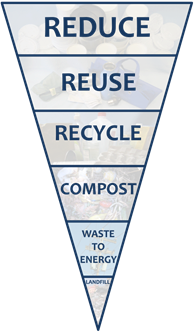
Sometimes we need to repair something in order to reuse it. Like reuse, when it comes to conserving resources, repair is preferable to recycling. Although recycling conserves natural resources, it also requires transportation to get stuff to a recycling facility and energy to process used goods into materials that can be put into a new product (the making of which takes even more energy and raw materials). Depending on the item, recycling may only recover a small portion of the materials used to make the original product. When we repair, nearly all of the materials are conserved.