Medical Cannabis Patient Advisory
OCP received a patient complaint in January about an adverse health reaction from cannabis concentrates purchased at MarijuanaVille in Waterville. OCP conducted an investigation that included testing on the concentrate products alleged to have caused the adverse reaction. Those test results showed unsafe levels of the pesticide Bifenthrin. OCP then tested six additional batches of concentrate from MarijuanaVille. Test results for five of six of those batches showed varying unsafe levels of several other pesticides.
The strains of concentrates sold by MarijuanaVille and confirmed to have unsafe levels of pesticides include “Denty Honey,” “Orange Kush Breath,” “Pineapple Mimosa,” “Raw Honey,” and “Sexy Sally.” These products contain varying unsafe levels of eight different pesticides including Bifenthrin, Chlorfenapyr, Cypermethrin, and Pyridaben.
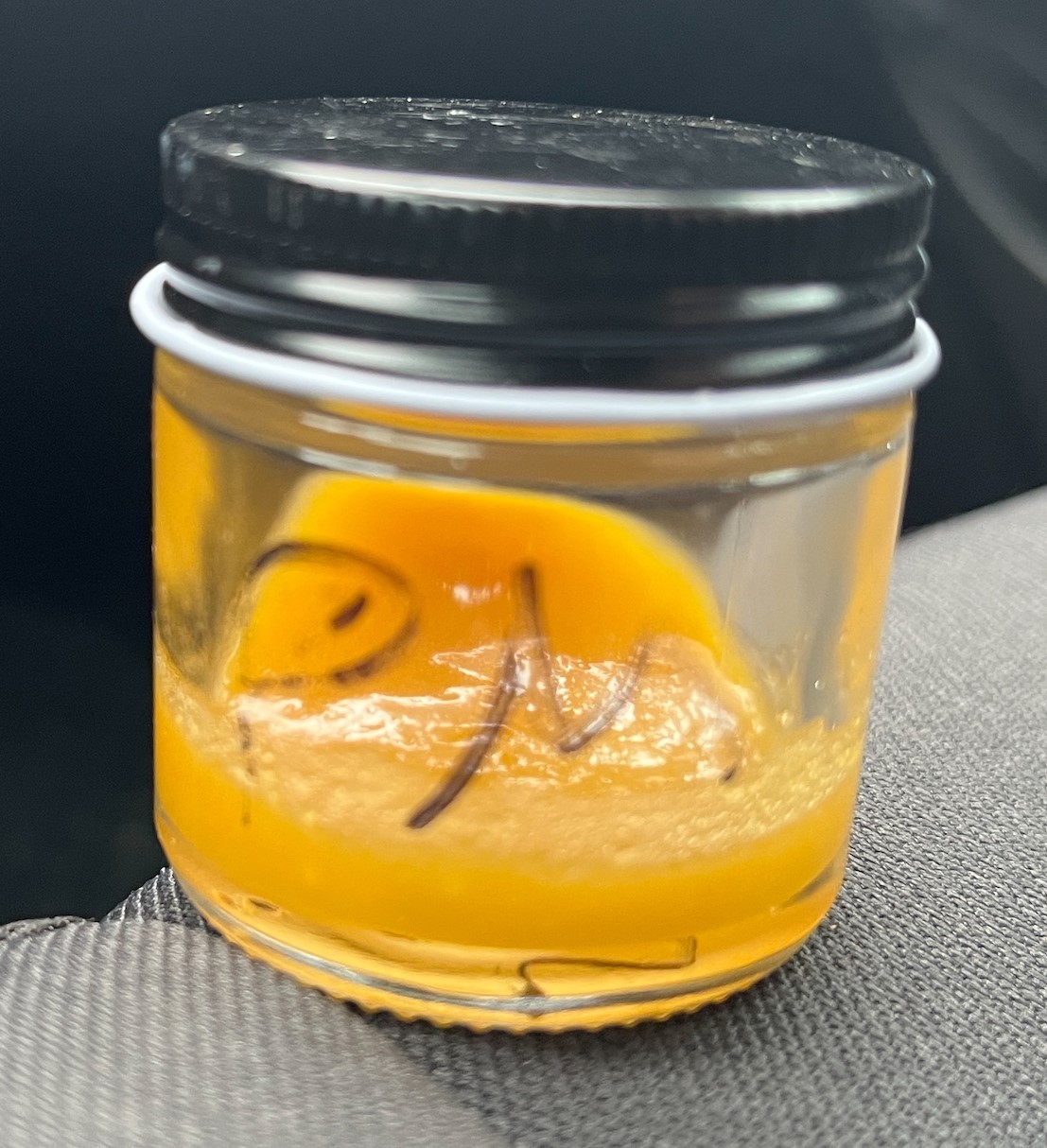
Inhaling cannabis containing unsafe levels of pesticides can cause respiratory irritation, neurological effects, and/or flu-like symptoms. Please see below for more information on the toxicity and health impacts of each pesticide detected at unsafe levels in the MarijuanaVille concentrate products listed above. Any patient who has ingested these products and is experiencing symptoms or adverse reactions should contact a healthcare provider immediately or dial 911 if there is a medical emergency.
Additional information related to this advisory is available here. Additional information for medical cannabis program registrants is available here.
Concentration, Toxicity, and Health Impacts of Cannabis Contaminants
Below please find a list of pesticides (analytes) that MarijuanaVille’s concentrate samples would have failed testing for per the Adult Use Cannabis Program testing standards.
Strain |
Analyte |
Concentration (ppm) |
Adult Use Pass/Fail Threshold (ppm) |
Times (x) the Adult Use Pass/Fail Threshold (ppm) |
|---|---|---|---|---|
Denty Honey |
Bifenthrin |
1.48 |
0.2 |
7.4x |
Denty Honey |
Cypermethrin |
8.02 |
1 |
8.02x |
Denty Honey |
Permethrin |
0.603 |
0.2 |
3.02x |
Orange Kush Breath |
Permethrin |
0.357 |
0.2 |
1.79x |
Pineapple Mimosa |
Bifenazate |
1.57 |
0.2 |
7.85x |
Pineapple Mimosa |
Bifenthrin |
8.93 |
0.2 |
44.65x |
Pineapple Mimosa |
Cypermethrin |
1.22 |
1 |
1.22x |
Pineapple Mimosa |
Pyridaben |
8.88 |
0.2 |
44.4x |
Pineapple Mimosa |
Spiromesifen |
0.201 |
0.2 |
1.01x |
Raw Honey |
Bifenthrin |
0.864 |
0.2 |
4.32x |
Raw Honey |
Pyridaben |
0.388 |
0.2 |
1.94x |
Raw Honey |
Spiromesifen |
0.937 |
0.2 |
4.69x |
Sexy Sally |
Bifenthrin |
38.1 |
0.2 |
190.5x |
Sexy Sally |
Chlorfenapyr |
7.13 |
1 |
7.13x |
Sexy Sally |
Cypermethrin |
23.1 |
1 |
23.1x |
Sexy Sally |
Malathion |
0.582 |
0.2 |
2.91x |
Sexy Sally |
Permethrin |
0.499 |
0.2 |
2.5x |
Sexy Sally |
Pyridaben |
0.24 |
0.2 |
1.2x |
Sexy Sally |
Spiromesifen |
2.03 |
0.2 |
10.15x |
Below please find information about the toxicity and health impacts of each pesticide (analyte) listed above.
Bifenazate (miticide): Relatively low toxicity to humans (Level 4 - harmful). Inhalation may cause irritation of the respiratory tract.
Bifenthrin (insecticide): Low to moderate toxicity to humans (Level 3 - toxic). Inhalation may cause irritation of the respiratory tract. The U.S. EPA classifies Bifenthrin as a possible human carcinogen.
Chlorfenapyr (insecticide): Low to moderate toxicity to humans (Level 3 - toxic). Inhalation may cause high fever and altered mental state.
Cypermethrin (insecticide): Relatively low toxicity to humans (Level 4 - harmful). Inhalation may cause irritation of the respiratory tract - may cause damage to lungs.
Malathion (insecticide): Low to moderate toxicity to humans (Level 3 - toxic). Toxic if inhaled. May cause headaches, dizziness, nausea, sweating, difficulty breathing, chest tightness, muscle weakness, and blurred vision.
Permethrin (insecticide): Relatively low toxicity to humans (Level 4 - harmful). Inhalation may cause nose/throat/lung irritation, headaches, dizziness, fatigue, excessive salivation, nausea, and vomiting.
Pyridaben (insecticide): High toxicity to humans (Level 2 - fatal).
Spiromesifen (insecticide/miticide): Relatively low toxicity to humans (Level 4 - harmful). Inhalation may cause irritation of the respiratory tract.