DACF Home → Bureaus & Programs → Bureau of Agriculture → Agricultural Resource Development Division → Grants → USDA Specialty Crop Block Grant Program
USDA Specialty Crop Block Grant Program
Annual Specialty Crop Block Grant Program
The USDA Specialty Crop Block Grant Program (SCBGP) is a federal grant program that offers funding to projects that enhance the competitiveness of Maine-grown and harvested specialty crops. The Maine Commissioner of Agriculture, Conservation and Forestry (DACF) and a review committee select Maine projects to fund through a competitive application process. Selected projects are submitted to the USDA for review and approval to be administered by the Maine DACF. SCBGP-funded projects must benefit Maine’s specialty crop industry and may not be intended to support an individual business or organization.
Maine Specialty Crop Block Grant Program
Since 2002, the Specialty Crop Block Grant Program has awarded over $7.5 million to the Maine DACF to support the growing number of specialty crop producers selling in local and regional markets. Each year, the Maine DACF facilitates an SCBGP Request for Applications (RFA) and evaluates applications through a competitive, statewide process. Past and current awards have supported research into Maine’s most crucial agricultural commodities, the development of pest management strategies, school initiatives, and food safety projects.
USDA Specialty Crop Definitions
Section 101 of the Specialty Crops Competitiveness Act of 2004 (7 U.S.C. 1621 note), amended under section 10010 of the Agricultural Act of 2014, Public Law 113-79 (the Farm Bill), defines specialty crops as, “Fruits and vegetables, tree nuts, dried fruits, horticulture, and nursery crops (including floriculture)." Eligible plants must be cultivated or managed and used by people for food, medicinal purposes, and/or aesthetic gratification to be considered specialty crops. Processed products shall consist of greater than 50% of the specialty crop by weight, exclusive of added water.
The links below list plants commonly considered fruits and tree nuts, vegetables, culinary herbs and spices, medicinal plants, nurseries, floriculture, horticulture crops, and ineligible commodities. These lists are not intended to be all-inclusive but rather to provide examples of the most common specialty crops. This web page will be updated as the U.S. Department of Agriculture receives new questions about the eligibility of various crops.
Grant Recipients
2025 Awards +
| Organization | Award Amount | Project Name |
|---|---|---|
| Maine Flower Collective | $99,964.00 | Cultivate Season extension by the Maine Flower Collective: Pilot Sustainable, Statewide "Maine Flower Day" |
| Maine Department of Corrections | $100,000.00 | Building a Permaculture, Agroforestry, and Alley Cropping Model by Implementing Strategies to Diversify Maine Farm Production, Create Climate Resilience, while Providing Economic Viability |
| Meeting House Herb Farm | $98,840.00 | Increasing competitiveness and market share of Maine grown herbs through e-commerce farm to consumer sales. |
2024 Awards +
| Organization | Award Amount | Project Name | Description |
|---|---|---|---|
| Maine Organic Farmers and Gardeners Association (MOFGA) | $84,190.00 | Maine Produce Safety Improvement and FSMA PSR Education Project | The Maine Organic Farmers and Gardeners Association will continue its successful work, funded by the SCBG program, to enhance food safety and increase the number of Maine farms able to come into compliance with the Food Safety Modernization Act (FSMA) Produce Safety Rule, and/or a GAP/GHP audit, by providing workshops, demonstrations about food safety, one-on one technical assistance, financial resources, and educational trainings that incorporate FDA-approved content and a certificate that is needed to comply with FSMA. |
| North Spore, LLC | $93,800.00 | Development of multimedia educational modules for more farmers to access mushroom cultivation using sustainable practices | North Spore, LLC will create accessible yet comprehensive multimedia educational modules that will teach farmers how to sustainably and profitably grow the specialty crop of mushrooms. North Spore will host these modules on their website and make them available for free. In addition, North Spore will plan, coordinate, advertise, and carry out a free day-long workshop for regional farmers to learn hands-on about mushroom cultivation methods. The web-based modules will promote engagement with and understanding of a variety of methods for adding mushroom cultivation to existing farms as a primary or complementary crop. The modules will teach best practices for environmental sustainability in mushroom crop production. |
| University of Maine System (Annis) | $93,425.00 | Mitigating the Effects of Mummy Berry on Wild Blueberry Plant Health | This University of Maine project will examine how fertilizers affect mummy berry disease and if they can improve plant recovery to this disease. Diseases are one of the major factors limiting wild blueberry production. Previous research identified disease forecast systems, the effects of fertilizers on wild blueberry health, and fungi that cause wild blueberry diseases. Fertilizers are widely used to improve crop yield but incorrect levels may decrease a plant's ability to tolerate disease or make a plant produce more susceptible or nutritious tissue for the fungal pathogen. Mummy berry is one of the most damaging diseases of wild blueberries and can result in yield loss. Wild blueberry plants have dead leaves and flowers from mummy berry blight early in the growing season and may be using opening of remaining buds to mitigate the effects of this disease. |
| University of Maine System (Moran) | $22,965.00 | New Tools for Increasing Apple Production Profitability | The University of Maine Highmoor Farm will test strategies for reducing the risk of growing Honeycrisp apples. The Project will refine the prediction for the risk of bitter pit calcium deficiency so that growers can determine with greater precision the risk of storing fruit from each of their orchard blocks. When apples develop bitter pit during cold storage, they become unmarketable, leading to food waste. The Project will continue to test the new product, Protone ®, and others if they become available, for prevention of bitter pit. Apple growers will be directly involved in the testing and will be directly informed of test results by harvest. Results will be generally disseminated to apple growers at a grower meetings in July 2025 and through a newsletter in September 2025. |
| University of Maine System (Ginakes) | $51,560.00 | Creating a Maine Garlic Integrated Pest Management Program | University of Maine Cooperative Extension will improve the sustainability of garlic production in Maine by integrating traditional scouting approaches and modern weather-based pest forecasting into a garlic integrated pest management (IPM) program. Field research will be conducted to complement this IPM program by exploring variety differences in susceptibility to common insect pests and diseases. Regular newsletters throughout the growing season will be used to increase grower awareness of potential pest concerns, and summarized findings will also be disseminated at grower meetings and through Extension and academic resources annually. |
| University of Maine System (Fanning) | $93,490.00 | Connecting Better Wild Blueberry Nutrients for Improved Pollination, Pollinator Health, and Pest Management | This University of Maine Project, working with Maine's wild blueberry growers, will determine the impacts of foliar applications of key nutrients in Calcium and Boron at key development stages to improve pollination, pollinator health, and pest management. Before harvest, pollination (renting commercial bees) is the most significant cost in wild blueberry production and a key determinant of adequate fruit set and subsequent potential yield. In addition to rented pollinators, wild bees are important, and many growers rely on wild bees for at least part of their pollination. More recently, studies have highlighted the importance of the crop to bee communities, representing an important floral resource and source of pollen, with which bees rear their offspring. Ensuring these wild bees' health and the continuity of their ecosystem services is important for growers' profitability. Following pollination, as fruits develop, pest management, including the management of fruit flies, is another key part for growers to produce marketable fruit. Optimizing crop nutrition, starting with the development of the fruit bud and again with the fruit development, could help mitigate these challenges while reducing costs and improving fruit quality. |
| University of Maine System (Jin) | $81,525.00 | Increasing potato production and soilborne disease suppression by organic soil amendment and biocontrol organisms | This University of Maine Project will implement a comprehensive research initiative aimed at integrating organic soil amendment derived from waste lobster shells and biological control agent for suppressing soilborne pathogens, enhancing soil health through balanced microorganisms, and promoting potato growth. An interdisciplinary team, comprising food process engineer and plant pathologist, will conduct laboratory, greenhouse, and field studies to gather important data for developing organic soil amendment, sustainable soil treatment, and integrated disease management strategies. The results obtained from this research will be widely disseminated to stakeholders through various channels including Maine potato conferences, field days, extension meetings, and national conferences. |
| University of Maine System (Burnett) | $83,350.00 | Succession Planting for Locally Grown Cut Flowers | The University of Maine will develop and validate climate-adaptive guidelines for cut flower growers using successional planting to broaden the harvest window for annual specialty crops. The Project will use phenology to model growing degree days to develop a framework for successional planting, which will be validated in a second year at multiple sites. The results will be shared in 2026 through a field day tour in Orono and a webinar shared state-wide. |
2023 Awards +
The 2023 Specialty Crop Block Grant Program awards have been announced. Agricultural organizations, educational institutions, specialty crop groups and cooperatives, municipalities, and producers were selected through the 2023 SCBGP RFA which was published to the Division of Procurement Services RFP and RFA website as RFA# 202301012.
| Organization | Award Amount | Project Name | Description |
|---|---|---|---|
| Farms for Food Equity | $86,700.00 | Building Specialty Crop Markets through Immigrant Education Programs (FFE) | Farms for Food Equity, a 501(c3) non-profit agricultural organization and its partners will work with ethnic organizations to develop the market for Maine specialty crops. The project includes a comprehensive program of awareness, education, and promotion of crops that are suitable for multicultural cooking traditions. |
| University of Maine System-Annis | $83,648.00 | How to Mitigate the Effects of Leaf Spots on Wild Blueberry Health, Yield, and Climate Resilience | The University of Maine will continue a project started in spring of 2023 examining the effects of leaf spot diseases on wild blueberry health and yield, the use of fertilizer, fungicides, and irrigation to mitigate the effects of leaf spot infection under the current and warming climate. |
| University of Maine System-Hao | $80,624.00 | Quantitative detection and management of powdery scab and mop-top virus of potato | The University of Maine will conduct laboratory and field studies to develop a tool for the detection and quantification of potato powdery scab. The outcome is expected to improve soil potato production by avoiding heavily infested soil and applying appropriate soil treatment. |
| University of Maine System-Perry | $38,433.00 | Fresh Maine Wild Blueberries: Industry, Extension, Academic Collaboration to Protect and Enhance Safety and Quality | The University of Maine College of Natural Sciences Forestry and Agriculture and Cooperative Extension will partner with Maine wild blueberry growers to enhance food safety and quality of fresh product. The project assesses its sanitary quality throughout small scale fresh pack processing environments, developing improved handling techniques to extend fruit shelf life, and developing educational materials to be disseminated to industry members through grower meetings, factsheets, and webinars. |
| University of Maine System-Moran | $36,355.00 | New Tools for Increasing Apple Production Profitability | The University of Maine at Highmoor Farm will test and implement strategies for reducing the risk of growing Honeycrisp apples. Three methods will be tested to predict the risk of bitter pit storage losses so that growers can determine which orchards can be safely cold stored until they can be marketed. Protone®, a new product will also be tested for prevention of bitter pit. Apple growers involved in the testing and implementation will be directly informed of results. Results will be disseminated to apple growers through a newsletter, grower meetings and demonstrations with individual growers. |
| Maine Organic Farmers and Gardeners Association | $87,308.57 | MOFGA’s Maine Produce Safety Improvement and FSMA PSR Certification Project | The Maine Organic Farmers and Gardeners Association continues its successful work, funded by the SCBG program, to enhance food safety and increase the number of farms able to come into compliance with the Food Safety Modernization Act (FSMA) Produce Safety Rule, and/or a GAP/GHP audit, by providing educational trainings that incorporate FDA-approved content and a certificate that is needed to comply with FSMA, workshops, demonstrations about food safety, one-on one technical assistance, and financial resources to Maine farmers. |
| Meeting House Herb | $86,886.00 | Meeting House Herb Farm Increasing Sustainability of Maine Farms with Herbs | This project seeks to break down barriers to market entry for Maine farmers who wish to expand their crop diversification to include herbs. By providing technical assistance, this project will increase the sales of Maine grown herbs in the US, providing additional revenue and sustainability for participating farms. The herb market is growing rapidly. Maine farms are an ideal place to grow these herbs. Currently most medicinal herbs are imported into the US from China or Europe. Most of these same herbs can be grown in the US and specifically in Maine. |
| Maine Flower Collective | $80,316.00 | Maine Flower Collective (MFC): New In-Person Wholesale Flower Market Pilot Project | The Maine Flower Collective will launch a pilot program to create an in-person, wholesale flower market in 2024 that strategically provides local flower growers with a dynamic new channel by which to sell their Maine-grown floral products to a wider consumer base of Maine wholesale buyers, who are eager to preview available floral varieties and add further products to their existing MFC pre-orders. |
| Department of Agriculture, Conservation and Forestry (DACF) | $17,687.00 | DACF Developing a Farmers Market Price Reporting Tool for Maine Specialty Crop Growers | Maine Department of Agriculture, Conservation and Forestry (DACF), in collaboration with experienced agricultural service providers, will support the development and expansion of a farmers market price reporting tool to provide direct-market growers with a better understanding of market trends, potential opportunities for growth and expansion, and essential insight into enterprise profitability. |
2022 Awards +
| Organization | Award Amount | Project Name | Description |
|---|---|---|---|
| Blue Barn LLC | $100,000.00 | The Millennial Opportunity: Expanding Supply, Demand, and Infrastructure for a New Era of Maine Wild Blueberry Sparkling Wine | Led by the newly established Maine Wild Blueberry Wine Trade Group, now in formation with the support of the Specialty Crop Block Grant and on track to become a stand-alone legal entity by the end of 2022, project activities in Year Three will include: 1) unique branding and marketing efforts aimed at the national and regional Millennial market; 2) outreach and education programs necessary to foster a new generation of winemakers; and 3) statewide infrastructure efforts focused on sustaining an emerging wine industry. |
| Maine Organic Farmers and Gardeners Assocation | $91,806.32 | Maine Produce Safety Improvement Project III | The goal of this project is to increase the number of farms able to come into compliance with the FSMA Produce Safety Rule, and/or a GAP/GHP audit, by providing educational trainings, workshops, and demonstrations about food safety best practices and protocols, one-on one technical assistance, and financial resources to Maine farmers. |
| Maine Potato Board | $83,705.00 | Investigating Cultural Practices to Improve Integrated Pest Management Practices for Potato Virus Y (PVY) of Potato. (Year 2 of 3) | The Maine Potato Board will continue to investigate the efficacy of cultural practices to reduce the incidence and spread of potato virus Y (PVY); specifically, the practices of intercropping (mixed- species planting or nurse cropping), grain-seeded spray alleys to prevent potato plant damage and mechanical PVY infection, grain-seeded field borders as PVY buffers, and improved targeting and management of environmental inoculum provided by volunteer potatoes and solanaceous weeds. Project results will be shared with Maine potato producers through grower meetings (e.g., Maine Potato Conference), and through a written report on Integrated Pest Management Strategies for PVY in Maine, that will be distributed through the Maine Potato Board. |
| University of Maine System - Annis | $93,469.00 | Improving leaf spot management to enhance wild blueberry health, yield, and climate resilience | Maine’s wild blueberry fields are spread across the state but the majority are in the Knox, Lincoln, Waldo, Hancock and Washington counties. The majority of managed blueberry acreage is located in Washington county, which is one of the poorest in the state. A large acreage of wild blueberry land in Washington county is owned and managed by the Passamaquoddy tribe. Leaf spot diseases, often a complex of multiple diseases including Sphaerulina leaf spot, leaf rust, and powdery mildew, occur in most fields in varying severity every year. |
| University of Maine System - Calderwood | $63,027.00 | Drought Stress Adaptation for Wild Blueberry Growers | Drought Stress Management for Wild Blueberry Growers. Research and education supported by this program has led us to the determination that drought stress is a major current and future limitation to wild blueberry production. The 2020 drought resulted in 43% crop loss. We propose to continue studying amendments to aid in soil moisture retention while expanding our research into irrigation timing and soil health. We have found that soil moisture above 10% is adequate for wild blueberry production and that the previous four years of water availability impacts each wild blueberry crop. Biochar-compost and small particle size softwood mulch improved soil moisture faster than the currently applied wood chips. Past research indicated that one inch of water per week is required for wild blueberry production. However, we do not know when the most critical time(s) to irrigate wild blueberry are in either prune or crop years. We must address both amendment details and irrigation timing to inform growers and state agencies about how to best manage wild blueberry drought stress. |
| University of Maine System - Hao | $76,280.00 | Enhancing the efficacy of managing soilborne diseases in potato production through integrated soil improvement | We, the University of Maine propose to conduct laboratory and field studies to identify the microorganisms responsible for accelerated degradation of fumigant and find a solution to remediate impaired soil. The outcome will be expected to improve soil fumigation and soil health. We will team up with potato extension specialist and plant pathologies. Data from these studies will aid in soil treatment and disease management. Field trials will be conducted in Aroostook Farm in Presque Isle, ME. A full-time technician will operate the cultivation. A graduate student will focus on laboratory and greenhouse work, data collection and analysis. Information generated will be disseminated to stakeholders though field days, Maine potato conferences, Extension meetings and academic conferences. |
| University of Maine System - Perry | $50,614.00 | Fresh Maine Wild Blueberries: Industry, Extension, Academic collaboration to protect and enhance safety and quality | The University of Maine College of Natural Sciences Forestry and Agriculture and Cooperative Extension will partner with Maine wild blueberry growers to enhance food safety and quality of fresh product by assessing its sanitary quality throughout small scale fresh pack processing environments, developing improved handling techniques to extend fruit shelf life and developing educational materials to be disseminated to industry members through grower meetings, factsheets and webinars. |
2021 Awards +
| Organization | Award Amount | Project Name | Description |
|---|---|---|---|
| Blue Barn LLC | $99,525.00 | The Millennial Opportunity: Expanding Supply, Demand and Infrastructure for a New Era of Maine Wild Blueberry Sparkling Wine | Bluet, creator of Maine’s first nationally viable wild blueberry sparkling wine, will work with a wide range of stakeholders over the next three years to: 1) lead unique marketing, distribution and production efforts to define, claim and promote a new Maine wild blueberry beverage category for the Millennial-driven 21st century market; 2) expand and deepen grower and producer participation in this market through production, education, and outreach, and 3) begin building the Maine wild blueberry wine industry infrastructure needed to drive global market access, foster a new generation of local winemakers, and champion best practices and policies that sustain growers, producers, and a thriving Maine wild blueberry wine industry. |
| Cumberland County SWCD | $40,642.00 | Creating a replicable farm equipment sharing co-operative for growers using soil-steaming technology in their hoop-house production. | The Cumberland County Soil and Water Conservation District will organize a soil steamer equipment sharing co-operative which will facilitate access to an expensive yet effective technology to a core group of farmers, demonstrating through community outreach an alternative model of farm capitalization as well as innovative technology specific to specialty crops grown in hoop-houses. Through use-fees, the CCSWCD will leverage co-op funds for further farm equipment co-operatives. |
| Daybreak Growers Alliance | $28,740.00 | Expanding on Daybreak Growers Alliance’s wholesale aggregation, marketing and distribution model for Maine Specialty Grown Crops. | Daybreak Growers Alliance will expand upon its existing wholesale program with the aid of the third and final year of SCBG funding support by increasing marketing and promotion of the most popular specialty crops DGA distributes. Now in its second year, Daybreak Growers Alliance is on track to realize its goal of $189,000 in Maine grown specialty crop sales. In its third year, Daybreak Growers Alliance will achieve its 3 year goal of $520,000 in specialty crop sales by realizing $205,000 in sales. This increase matches the individual farm goals of the 30 DGA’s specialty crop farm partners contributing to DGA’s wholesale program. In year 3, DGA will continue to build upon the year 2 goal of sharing best practices with other specialty crop farming communities. Additionally, DGA seeks to grow its social media and website marketing capabilities to ensure ongoing promotion of specialty crop farm suppliers and their products. |
| Maine Flower Collective | $90,200.00 | Formation of Maine Flower Collective: A cooperative to enhance the competitiveness and market reach of Maine's cut flowers. | The intentions of submitting this proposal are to obtain funding to host the Maine Flower Collecctive Convergence during Winter 2021/2022, and to form and launch the Maine Flower Collective "MFC" in 2022. The objective of the MFC winter convergence is to assemble a cohort of specialty cut flower farmers, florists and floral designers from Maine and nearby sttaes to discuss the formation of a cooperative that will be known as the Maine Flower Collective. Additional funding will be necessary to begin to implement the strategic plan for the MFC, which is to be created during the convergence. |
| Maine Potato Board | $79,245.00 | Investigating Cultural Practices to Improve Integrated Pest Management Practices for Potato Virus Y (PVY) of Potato. | The Maine Potato Board will investigate the efficacy of cultural practices to reduce the incidence and spread of potato virus Y (PVY); specifically, the practices of intercropping (mixed- species planting or nurse cropping), grain-seeded spray alleys to prevent potato plant damage and mechanical PVY infection, grain-seeded field borders as PVY buffers, and improved targeting and management of environmental inoculum provided by volunteer potatoes and solanaceous weeds. Project results will be shared with Maine potato producers through grower meetings (e.g., Maine Potato Conference), and through a written report on Integrated Pest Management Strategies for PVY in Maine, that will be distributed through the Maine Potato Board. |
| Maine Organic Farmers and Gardeners Association | $90,518.00 | Maine Produce Safety Improvement Project II | The Maine Organic Farmers and Gardeners Association will continue the successful work it began last year to enhance the competitiveness of specialty crops by increasing the number of farms able to come into compliance with the Food Safety Modernization Act (FSMA) Produce Safety Rule, and/or a GAP/GHP audit, by providing food safety education, one-on one technical assistance, and financial resources to Maine farmers. |
| University of Maine System - School of Food and Agriculture | $99,894.00 | Exploring Fertilizers, Soil Amendments, and Pollination as Tools to Improve Wild Blueberry Resilience to Warming | On behalf of Maine’s wild blueberry farmers, we request this one-year project titled Exploring Fertilizers, Soil Amendments, and Pollination as Tools to Improve Wild Blueberry Resilience to Warming. We propose to continue our grant from 2021 into 2022. In 2021, we evaluated calcium, mulches, and biochar for their efficacy, impact on pest presence, and cost to the farmer. We also continued evaluating blueberry growth under two temperature regimes that mimic climate warming. We also found that wild blueberry plants grown at 3 to 5°C above ambient temperature had less available soil water and nutrients due to increased water loss under warming yet showed an extended growth period and increased yield. It is critical that we begin to understand how farmers can adapt to changes in crop production given new products on the market, longer seasons, and warming conditions. |
| DACF | $15,000.00 | DACF - Agricultural Trades Show Project | Agricultural Resources Development Division of the Maine Department of Agriculture, Conservation and Forestry will offer a digital library technology application to offer lectures, workshops and educational content for Maine specialty crop producers. The application will allow for scheduling of one-on-one business advising, and store educational content year-round. Participant surveying will be obtained as part of the session selection process, within the application, and email alerts, which will be part of the project. |
| DACF | $17,013.35 | DACF Videography Project for Maine’s Specialty Crops | In order to promote the sale of Maine specialty crop fruits and vegetables both within Maine and across the region, the Maine Department of Agriculture, Conservation, and Forestry will work with a professional marketing firm to create a series of educational videos and public service announcements for use on television and social media. The series will educate consumers about what specialty crops are grown in Maine, where to purchase them, and the value of selecting locally grown. The project will benefit the small growers who raise a variety of crops, and we’ll work to ensure it supports the messaging of the larger grower/producer groups. The one-year project will include planning the campaign, taping and editing the video, and planning and implementing a social media campaign. (Television-ready video will be prepared, but may not be implemented by the end of this grant period.) |
| Maine Farmland Trust | $100,000.00 | Business of Farming: Improving Profitability and Sustainability of Small-Scale Wild Blueberry Growers | Maine Farmland Trust will deliver a year-long farmer training program called “The Business of Farming”, tailored for a cohort of 10 small-scale wild blueberry growers who are innovating new business models, products, and markets for better profitability and sustainability. |
| Maine Maple Producers Association | $100,000.00 | Enhancing Consumer Education and Markets of Pure Maine Maple Syrup | The Maine Maple Producers Association (MMPA) will increase sales and consumption of Maine maple syrup through the implementation of a consumer survey which will inform the development of increased promotion and marketing resources. This project will aggregate existing data related to the health benefits, ecologically sound production practices, cultural relevance, and the wide diversity of uses of maple products, paired with results from the consumer survey, to create targeted marketing tools aimed at the more than 35 million tourists who travel to Maine each year, in addition to Maine residents. |
| Maine Organice Farmers and Gardeners' Association | $100,000.00 | Maine Soil Health Project | The Maine Organic Farmers and Gardeners Association will improve soil health on at least 300 farms in Maine through the “Maine Soil Health Project,” by providing multiple soil health resources (including financial), increasing knowledge about the importance of soil health to the future productivity of Maine’s farms, and by helping farmers adopt critical and timely soil health practices. The program will establish a central Soil Health Resource Hub, a series of educational workshops and farm tours, technical assistance (TA), and administration of a farmer grant that will award 12 farmers approximately $5,000 each to implement practices on their farms. |
| University of Maine - Annis | $73,862.00 | New approaches to identify and control fungal diseases of wild blueberry | Wild (lowbush) blueberries are a key industry in Maine, and fungal diseases are one of the largest issues that can impact yield and quality of blueberries. Climate change has resulted in wetter springs, which can increase infection by fungal pathogens, and warmer summers that can, with pathogen infection, stress the plants resulting in premature loss of leaves and decreased yield. The key to controlling diseases is identifying their causal organism and the timing and conditions necessary for pathogen infection. The purpose of this project is increase our knowledge of the biology and control of important pathogens of wild blueberry and educate growers about these diseases. |
| University of Maine - Ginakes | $68,058.00 | Diversifying Maine vegetable farms with enhanced celery production | Celery is a widely consumed vegetable, yet only about 10% of Maine’s diversified vegetable farms reported growing celery in 2019. It has the potential to diversify farmstand and wholesale offerings as both a fresh market and storage crop. Reducing barriers to celery production in Maine through systematic variety and cultural practice evaluations can work to narrow the gap between celery grown and sold in Maine. |
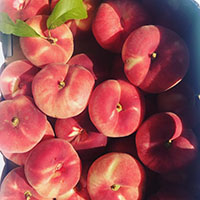
| University of Maine - Moran | $12,720.00 | Breeding cold Hardy Peaches for Maine | Tree fruit growers would like to be able to produce peaches for farmstand and wholesale markets as an alternative to apples. The wholesale apple market in Maine has been weakened by overproduction in other regions of the US and has forced the State’s growers to expand retail markets. The ability to feasibly produce peaches would increase farm stand sales and profitability in addition to increasing resilience in the tree fruit industry by allowing growers to diversify products. However, lack of cold hardiness limits yield and tree lifespan. |
| Wild Blueberry Commission of Maine | $100,000.00 | Building Consumer Loyalty for Maine Wild Blueberries Through Agritourism | Maine has lost approximately 40% of its heritage wild blueberry farms over the last 20 years and faces stiff competition from an increasingly global cultivated (highbush) industry. Virtually nonexistent 20 years ago, the U.S. and Canada now produce almost 1 billion pounds of cultivated blueberries annually. Our industry must diversify to increase resilience to stressors like COVID-19 and market-driven commodity price swings. In 2021 the Wild Blueberry Commission of Maine launched the first ever Maine Wild Blueberry Weekend (WBW) - an agritourism event where visitors Eat. Drink. Experience. the Maine wild blueberry brand, generating millions of impressions and driving thousands of visitors to Maine wild blueberry farms. We propose making WBW an annual agritourism event. |
| DACF | $50,900.00 | Market Expansion Support for Maine Agritourism Operators | |
| DACF | $42,000.00 | Healthy Fruit and Vegetable Educational and Marketing Project | |
| DACF | $92,262.00 | Promoting Maine Specialty Crops via Video Promotion Project |
2020 Awards +
| Organization | Award Amount | Project Name | Description |
|---|---|---|---|
| Blue Barn LLC | $62,800.00 | The Millennial Opportunity: Expanding Supply, Demand and Infrastructure for a New Era of Maine Wild Blueberry Sparkling Wine | Bluet, creator of Maine’s first nationally viable wild blueberry sparkling wine, will work with a wide range of stakeholders over the next three years to: 1) lead unique marketing, distribution and production efforts to define, claim and promote a new Maine wild blueberry beverage category for the Millennial-driven 21st century market; 2) expand and deepen grower and producer participation in this market through production, education, and outreach, and 3) begin building the Maine wild blueberry wine industry infrastructure needed to drive global market access, foster a new generation of local winemakers, and champion best practices and policies that sustain growers, producers, and a thriving Maine wild blueberry wine industry. |
| Daybreak Growers Alliance | $38,216.00 | Expanding on Daybreak Growers Alliance's Wholesale Aggregation, Marketing and Distribution Model for Maine Specialty Grown Crops | Daybreak Growers Alliance will expand upon its existing wholesale program with the aid of a second year of SCBG funding support. In its first year, Daybreak Growers Alliance is on track to realize its goal of $126,000 in Maine grown specialty crop sales. In its second year, Daybreak Growers Alliance’s wholesale program will increase that sales goal by 50% to realize $189,000 in specialty crop sales. This increase will reflect a 50% increase in sales for DGA’s specialty crop farm partners, directly facilitating sales growth for 30+ Maine specialty crop farmers. An additional 30 specialty crop growers will benefit as DGA creates and shares findings from the creation of this replicable, low-overhead aggregation and marketing model. Further, through participation in online and offline opportunities to share findings with other Maine growers, and data collected on audience size of these resources that Daybreak Growers Alliance’s best practices and findings will be shared with over 200 Maine specialty crop farmers. |
| Maine Maple Producers Association | $22,500.00 | Increasing the Sales and Price of Maine Pure Maple Syrup | The Maine Maple Producers Association will expand its marketing efforts by further developing its educational and marketing outreach to consumers and by enhancing its communications to maple producers in Maine so that marketing is amplified by producers sharing the professionally developed marketing strategies with their local and regional customers. |
| Maine Organic Farmers and Gardeners Association | $64,956.00 | Maine Produce Safety Improvement Project | The Maine Organic Farmers and Gardeners Association will enhance the competitiveness of specialty crops and increase the number of farms able to come into compliance with the Food Safety Modernization Act (FSMA), Produce Safety Rule and/or a GAP/GHP audit by providing food safety educational, financial, and one-on-one technical assistance resources to Maine Farmers. |
| University of Maine System - School of Biology and Ecology | $84,647.00 | Using Foliar Fertilizers and Soil Amendments to Improve Wild Blueberry Production and Resilience to Warming | In 2020, we evaluated new fertilizers for their efficacy, impact on pest presence, yield, berry quality, and cost to the farmer. We also began evaluating blueberry growth under three temperature regimes that mimic climate warming. Based on our research to date, foliar calcium and plant growth regulators merit further study. We also found that wild blueberry plants grown at 3 to 5C above ambient temperatures had an extended growth period yet less available soil water and nutrients due to increased water loss under warming. It is critical that we begin to understand how to adapt to changes in crop production given new products on the market, longer growing seasons, and warming conditions. Based on work to date, we are now ready to address the following objectives 1) further evaluate promising foliar fertilizer products identified in 2019-2020 on crops and pests, 2) test mulching and biochar as drought, warming, and pests management tools, and 3) disseminate results of this project to wild blueberry growers, processors, and stakeholders in Maine. |
| University of Maine System - School of Biology and Ecology | $79,994.00 | Enhanced Integrated Pest Management Practices for Control of Diseases in Maine Wild Blueberry | This University of Maine project, supported by the Wild Blueberry Commission of Maine (WBCM), will continue to develop new methods of pathogen detection and control and implement those methods in an Integrated Pest Management program for diseases. There are 510 wild blueberry growers in Maine, and there can be up to $17 million in annual grower losses due to diseases. This project will: 1) continue to evaluate the best timing for control of Exobasidium fruit spot, 2) evaluate the best timing of new fungicides, particularly organic materials, for control of mummy berry and leaf spots, 3) test new methods, molecular and models of fungal development, to determine when fungal spores are present to cause infection thereby improving the timing of fungicide applications, and 4) use weather station network data and applied research to provide growers with disease forecasts for mummy berry, Botrytis blight and growing degree day models of key plant development stages. This program will also educate growers on fungicide rotation to decrease the risk of fungicide resistance. Growers will be surveyed at educational sessions to determine understanding and adoption of the disease management strategies evaluated in this program |
| University of Maine System - School of Food and Agriculture | $52,402.00 | Peach Variety Testing and Development For a Local Market | The University of Maine at Highmoor Farm will evaluate strategies for reducing the risk of producing peaches. We will test 20 new peach varieties for climactic adaptation and suitability to the local market, and will develop new peach varieties with improved cold hardiness using traditional breeding methods. We will also systematically compare sites in Maine for yield and tree survival to develop planting recommendations for growers. This work will be conducted on behalf of Maine’s fruit growers who will be informed of the results and progress |
| University of Maine System - Maine Food and Agriculture Center | $14,595.00 | Expanding Maine's Fresh Vegetable market Through Improved Winter Squash Storage | The University of Maine will carry out a survey of commercial winter squash growing operations to determine the cause of poor storage life of this crop. Research at the Maine Agricultural and Forest Experiment Station will evaluate potential pre- and post-harvest treatments of winter squash, including curing and surface sanitizing techniques to improve post-harvest quality and prolong storage life. Improving winter squash storage life will allow farmers to significantly extend their market season into the fall and winter months, when cash flow is typically very slow. |
| University of Maine System - Maine Food and Agriculture Center | $83,321.00 | Maine Potato Integrated Pest Management - 2021 | Without reliable and sustainable pest management strategies, Maine’s $500 million potato industry faces the potential for severe crop losses resulting in significant reductions in profits and threats to long-term viability. To ensure an adequate response to the pest-related hazards confronting potato growers, the University of Maine Cooperative Extension Potato Integrated Pest Management (IPM) Program will provide support through field monitoring, disease forecasting, and distribution of educational materials. The program will employ eight seasonal aides, maintain 200 specialized insect traps, coordinate a Maine-specific network of satellite weather information sites to aid in disease forecasting, and survey 75 potato fields on a weekly basis. Applied research regarding emerging potato diseases including different strains of potato virus Y (PVY) and their associated aphid vectors will also be conducted. Funding this program will provide growers with current information on specific and timely pest management strategies in order to minimize pesticide applications and maximize potato yield. |
| University of Maine System - Maine Food and Agriculture Center | $30,872.00 | Expanding Maine's Berry Industry to Improve Farm Profitability | The University of Maine will establish scientifically designed trials of strawberries, raspberries, and highbush blueberries at the Maine Agriculture Experiment Station in Monmouth to determine the adaptability of new varieties from breeding programs both national and international, which will generate critical information needed to select the best preforming plants for Maine growing conditions and could result in significant improvements in current fruit quality and yield standards, which will allow Maine farmers to successfully expand fresh berry production and meet the growing demand for locally produced fruit. |
| Maine DACF GAP Program | $12,000.00 | Pilot to Encourage GAP/GHP Certification for Growers of Eligible Specialty Crops in Maine | The Division of Quality Assurance and Regulations, Department of Agriculture, Conservation, and Forestry, will administer a pilot project aimed at opening marketing opportunities for Maine produce growers. This program will reimburse growers for 50% of the cost of an initial Good Agricultural Practices/Good Handling Practices (GAP/GHP) Audit up to $500. QAR staff perform the audits under the auspices of the Food and Drug Administration; QAR will verify audit costs and process requests for reimbursement. |