DHHS → MeCDC → Disease Surveillance → Epidemiology → Vector-borne Diseases→ Lyme Disease
EPI Information
- A - Z Index of Epidemiology Diseases
- Contact Us
- Disease Reporting
- Syndromic - drug overdose data
- Orderable Materials
- Maine Tracking Network: Tickborne Diseases
- Publications
- Request for Data
- Vectorborne School Curricula
- Zoonotic Disease Train the Trainer
- School Health
- Videos
Information for

Lyme Disease
On this page:
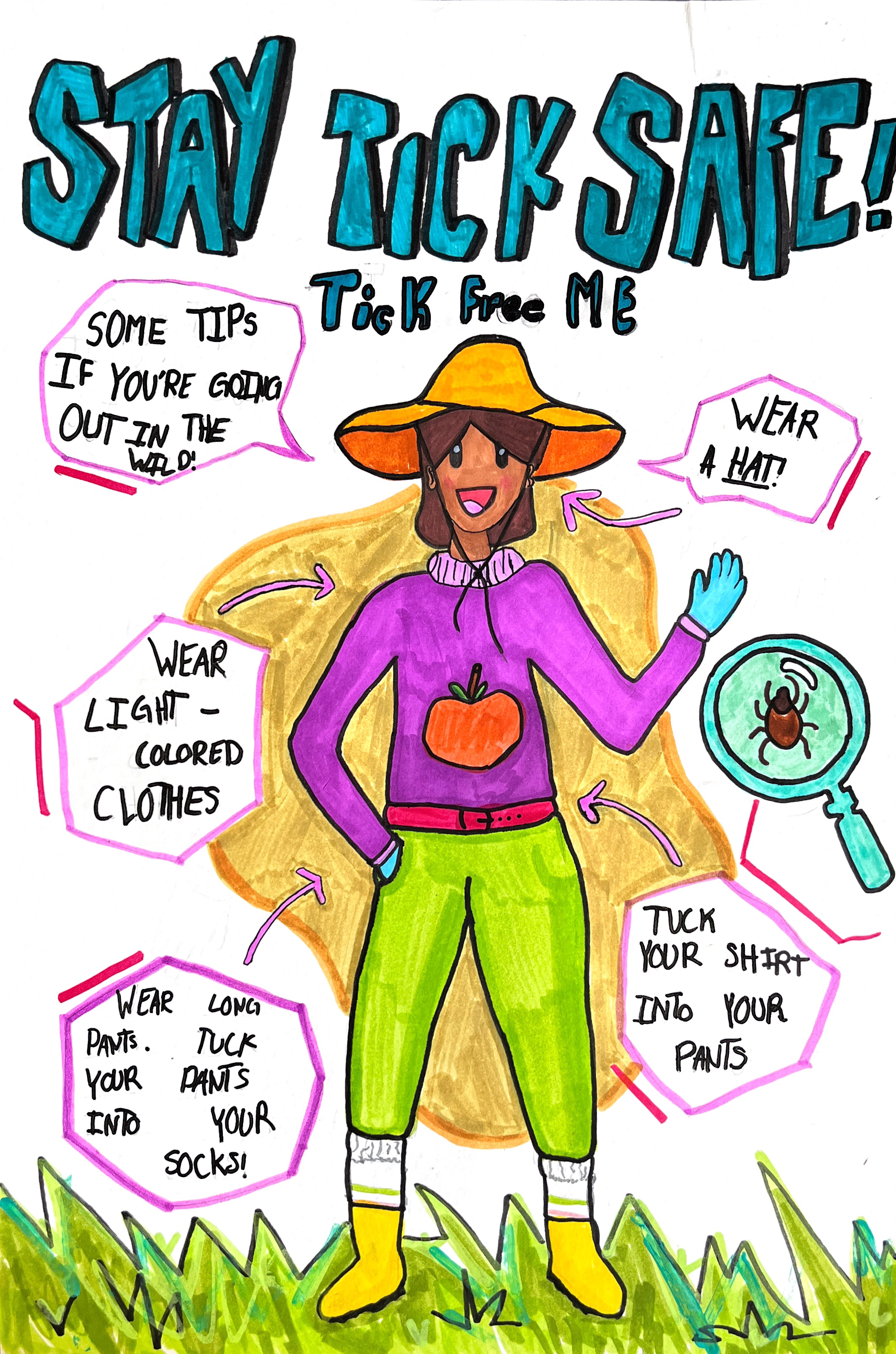
Click here for Lyme Disease Awareness Month!
About Lyme Disease
Two bacteria cause Lyme disease in North America. They are called Borrelia burgdorferi and Borrelia mayonii. These bacteria spread to a person through the bite of an infected deer tick (Ixodes scapularis). Cases of Lyme disease increase in Maine every year as the deer tick spreads throughout the state.
Lyme disease is treatable with antibiotics. The best way to prevent Lyme disease is by preventing tick bites.
History of Lyme Disease
Lyme disease gets its name from a small coastal town in Connecticut called Lyme. In 1975, a woman pointed out an unusual cluster of more than 51 cases of pediatric arthritis to Yale researchers. In 1977, Dr. Allen Steere and Yale colleagues named the 51 clusters “Lyme arthritis." In 1979, Steere and colleague Dr. Steven Malawista changed the name to "Lyme disease" when they discovered more symptoms. These symptoms included possible neurological problems and severe fatigue. In 1982 Dr. Willy Burgdorfer discovered the cause of the disease. One of the bacteria that cause Lyme disease is named after Dr. Burgdorfer.
Symptoms
Early signs and symptoms
Early signs and symptoms of Lyme disease begin 3 to 30 days after the bite of an infected tick. Signs and symptoms may include:

Rash (usually a "Bull's-eye" rash)

Fever and chills

Fatigue (feeling very tired)

Muscle or joint soreness
Notes about the bull's-eye rash:
- The appearance of the bull's-eye rash can vary widely. See example photos of rashes.
- The bull's-eye rash occurs in about 70-80% of patients in the United States.
- A small bump or redness at the site of a tick bite that occurs immediately and resembles a mosquito bite is common. This is not the bull's-eye rash. This irritation generally goes away in 1-2 days and is not a sign of Lyme disease.
Later signs and symptoms
If not treated, more severe signs and symptoms can develop. Lyme disease is rarely fatal. These can appear weeks, months, or years after a bite from an infected tick and may include:

Arthritis

Neurologic, memory, and concentration problems

Heart problems
See a healthcare provider if you become ill after a tick bite or spending time in areas where ticks commonly live. Be sure to mention a recent tick bite or time spent in tick habitat to your healthcare provider.
Prevention
Prevent Tick Bites
The best way to prevent Lyme disease is to prevent tick bites in the first place. Take these simple steps every day to prevent tick bites:

Wear light-colored, long-sleeved clothing and pants. Tuck your pants into your socks.

Use an EPA-approved bug spray.

Stay in the middle of trails.

Do daily tick checks and check your pets for ticks.
Protect Your Yard From Ticks
You can make your yard a tick-safe zone:
- Keep the lawn mowed.
- Keep leaves raked and get rid of leaf piles.
- Move wood piles away from the house. Mice like to live here and can bring ticks with them.
- Move birdfeeders away from the house, gardens, and yard toys. Deer and mice like birdfeeders and can bring ticks into the yard.
- Use crushed stone or woodchips to make a tick-safe barrier around your yard. This should be 3-feet wide to separate the yard from the woods and keep ticks from crossing into the yard.

To learn more about tick bite prevention and how to keep ticks out of your yard, visit Tick Frequently Asked Questions.
Resources for Educators
Maine CDC developed vectorborne school curricula for 3rd-8th grade classrooms. The curriculum is aligned with Maine Learning Results. School nurses, teachers, and other youth leaders are encouraged to use this resource in their classrooms.
Reports and Publications
Lyme Disease Surveillance Reports
Maine CDC publishes yearly data on Lyme disease cases and rates in Maine in yearly Lyme Disease Surveillance reports.
- Lyme Disease Surveillance Report (PDF) 2008 | 2009 | 2010 | 2011 | 2012 | 2013 | 2014 | 2015 | 2016 | 2017 | 2018 | 2019 | 2020 | 2021 | 2022 | 2023
Tickborne Disease Data on the Maine Tracking Network
The Maine Tracking Network uses data from case reports, surveys, and tick submissions to help understand the spread of tickborne diseases in Maine. The dashboard includes real-time data, maps, charts, and graphs for anaplasmosis, babesiosis, and Lyme disease.
Report to the Maine Legislature on Lyme and Other Tickborne Illnesses
In 2008, the 123rd Legislature passed a new law that directed Maine CDC to submit an annual report about tickborne diseases to the Legislature. See this law below. Each year, Maine CDC submits this annual report to the joint standing committees on health and human services matters and health insurance matters. This report includes recommendations for legislation to address public health programs for the prevention and treatment tickborne illnesses in Maine. It also reviews and evaluates Lyme disease and other tickborne illnesses in Maine.
- Report to the Maine Legislature on Lyme and Other Tickborne Illnesses (PDF) 2008 | 2009 | 2010 | 2011 | 2012 | 2013 | 2014 | 2015 | 2016 | 2017 | 2018 | 2019 | 2020 | 2021 | 2022 | 2023
Maine Legislation on Lyme Disease and Other Tickborne Illnesses
- Public Law, Chapter 561, LD 2157, item 1, 123rd Maine State Legislature (PDF): An Act to Implement the Recommendations of the Joint Standing Committee on Insurance and Financial Services Regarding Reporting on Lyme Disease and Other Tickborne Illnesses. Requires an annual report on Lyme and other tickborne illnesses to the Maine Legislature.
- Resolve, Chapter 143 LD 1521, item 1, 123rd Maine State Legislature (PDF): Resolve, To Provide Education Concerning and Insurance Coverage for Lyme Disease. Encourages public education for Lyme disease.
- Public Law, Chapter 494 LD 1709, item 1, 124th Maine State Legislature (PDF): An Act to Enhance Public Awareness of Lyme Disease. Declares the month of May as Lyme Disease Awareness Month.
- Public Law, Chapter 340, LD 597, 126th Maine State Legislature (PDF): An Act to Inform Persons of the Options for the Treatment of Lyme Disease. Acknowledges the difficulty in diagnosing and treating Lyme disease and provides information on the risks of long-term antibiotic therapy to treat Lyme disease.
- Public Law, Chapter 235, LD 422, 127th Maine State Legislature (PDF): An Act to Improve Access to Treatments for Lyme Disease. Allows licensed physicians to prescribe long-term antibiotic therapy to eliminate infection or to control a patients symptoms.
Resources
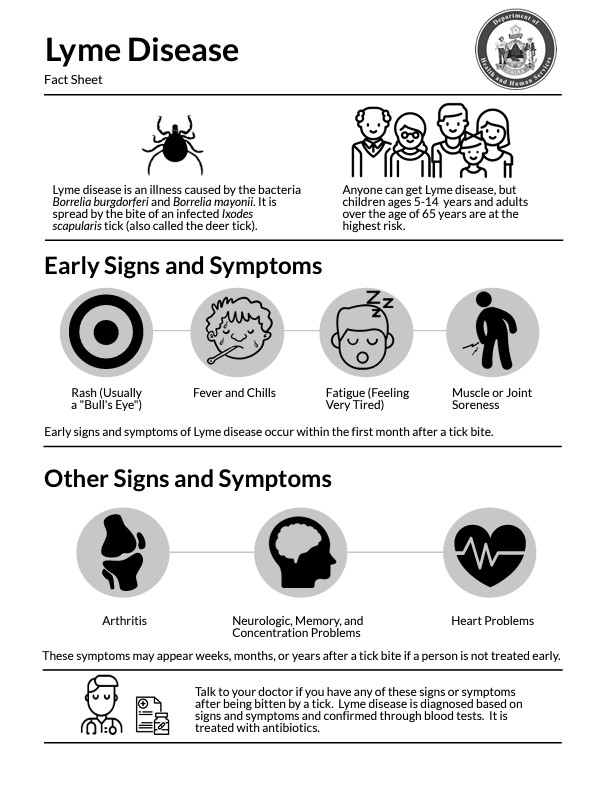
Lyme Disease Factsheet (PDF) | عربي | Français (PDF) | Kreyòl Ayisyen (PDF) | Kiswahili (PDF) | Lingala (PDF) | Português (PDF) | Soomaali (PDF) | Español (PDF) | Tiếng Việt (PDF)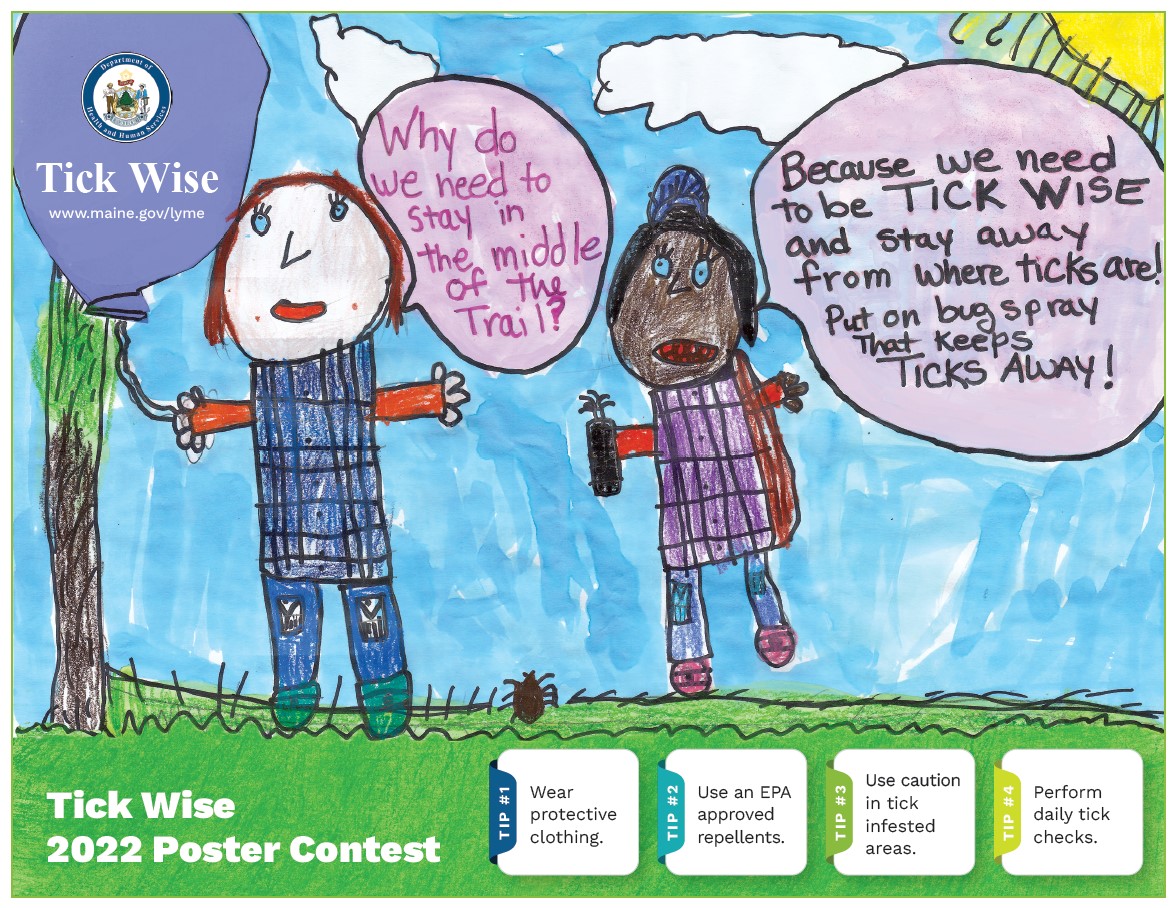
Lyme Disease Awareness Month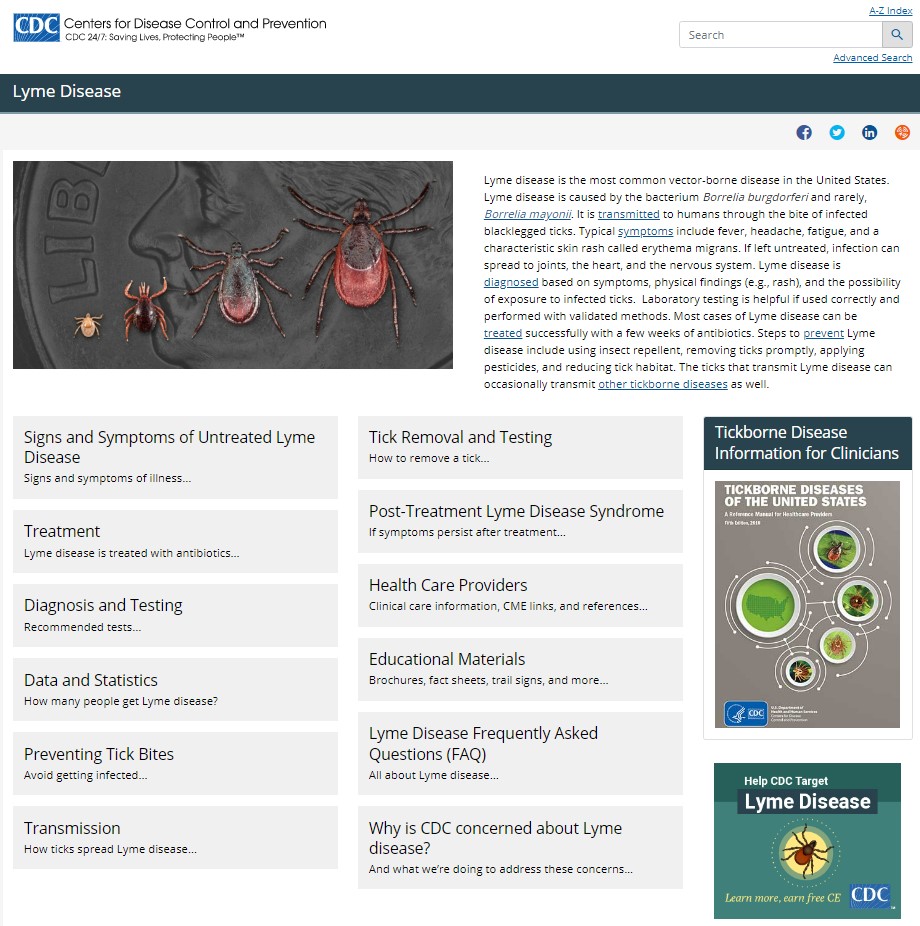
U.S. CDC Lyme Disease Information
Frequently Asked Tick Questions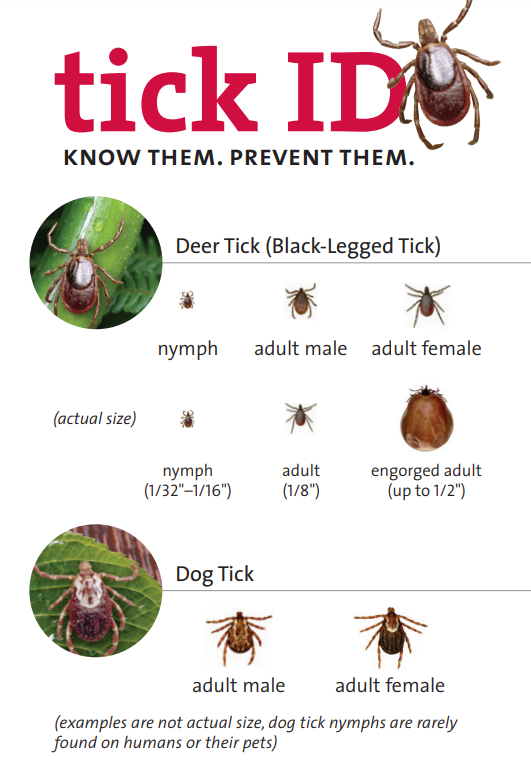
Tick Identification Information
Interactive Tick Identification Game
Orderable Materials
Tickborne Diseases in Maine: Lyme Disease Video
Tickborne Disease 2024 Webinar
How to Perform a Tick Check Video
Tick Identification Video
Choosing and Applying Personal Repellents Video
Reducing Tick Habitat around Your Home Video
How to Choose a Residential Pesticide Applicator Video
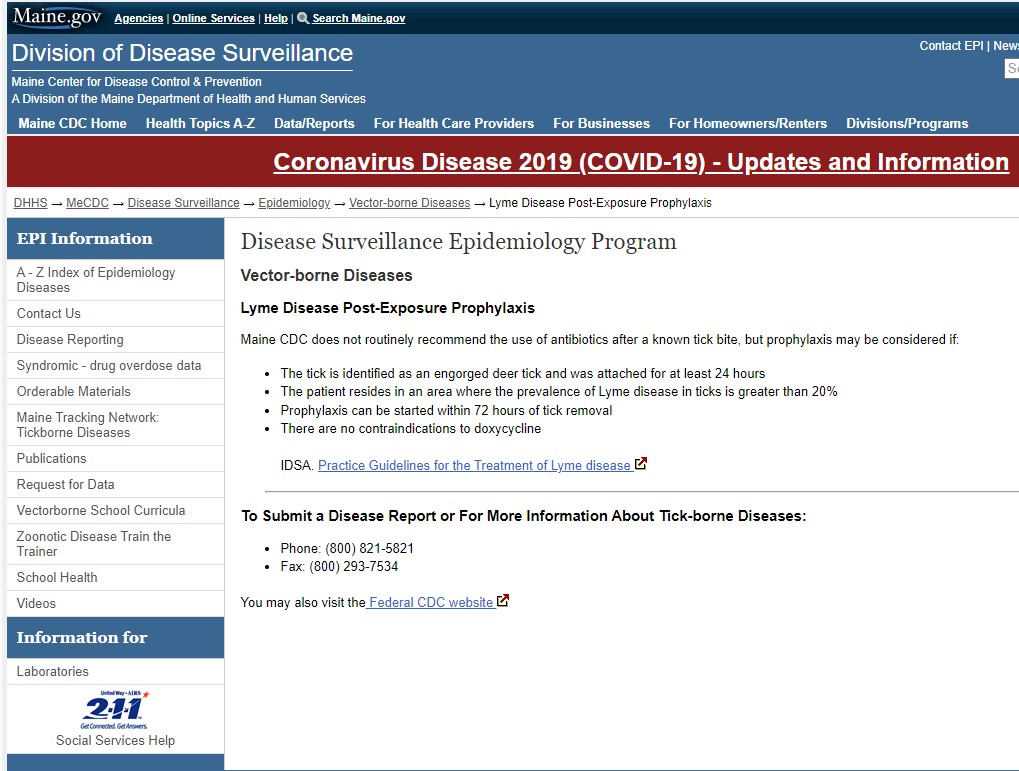
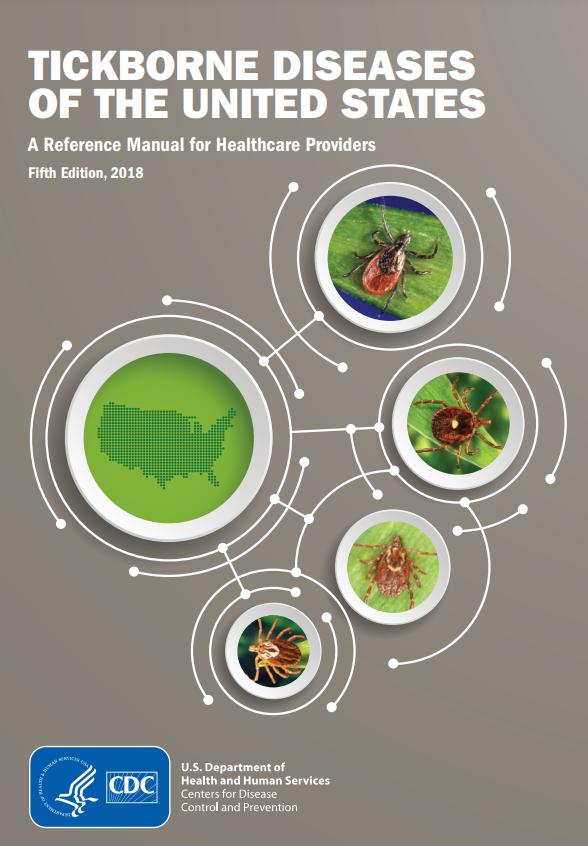
Resources for Healthcare Providers

Public Awareness and Education Groups (May not represent the views of Maine CDC or US CDC)
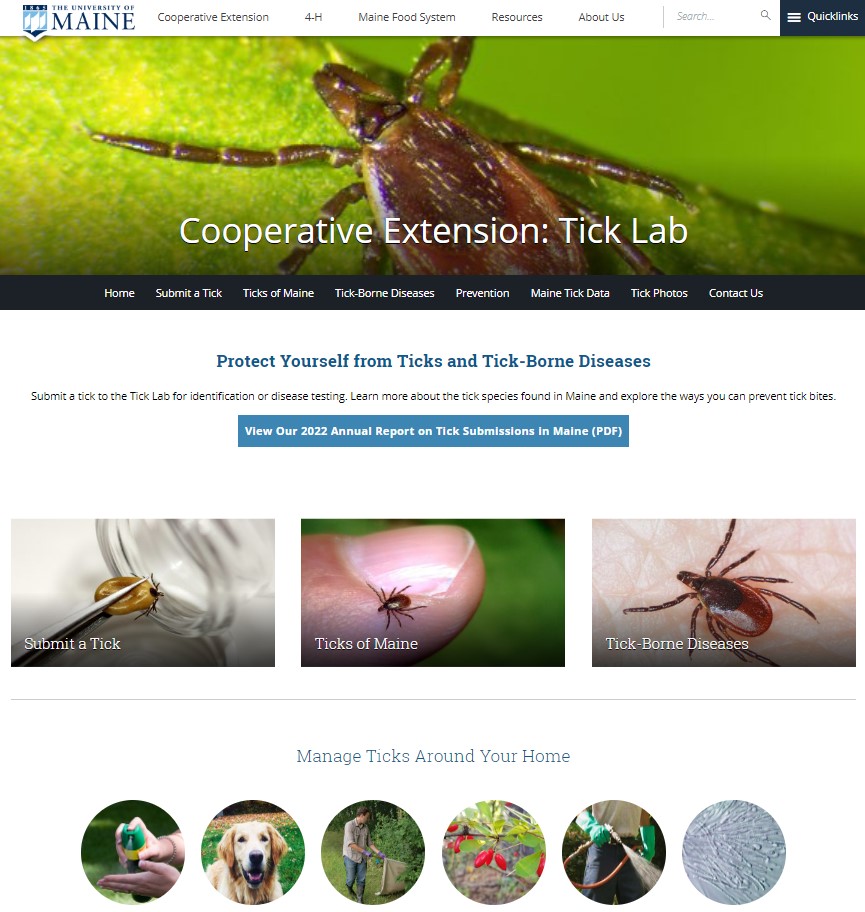
University of Maine Cooperative Extension: Tick Lab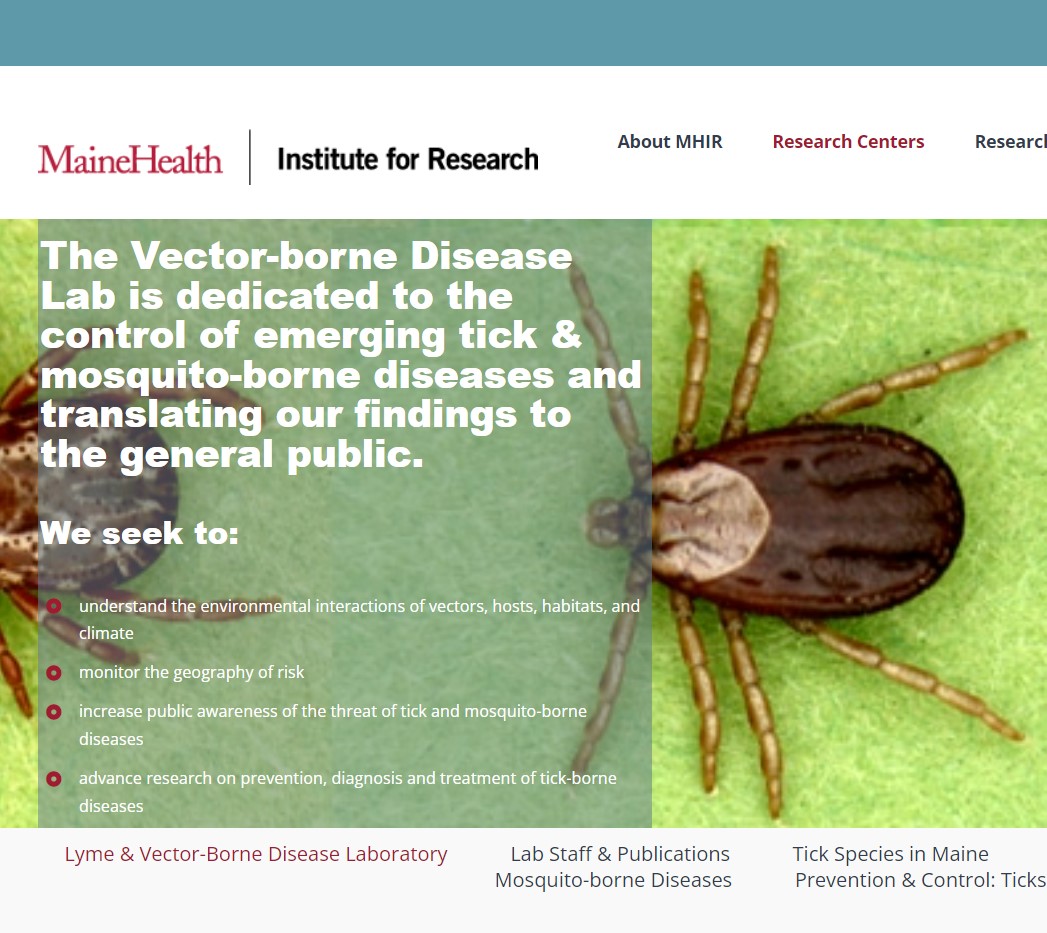
MaineHealth Institute for Research Vectorborne Disease Lab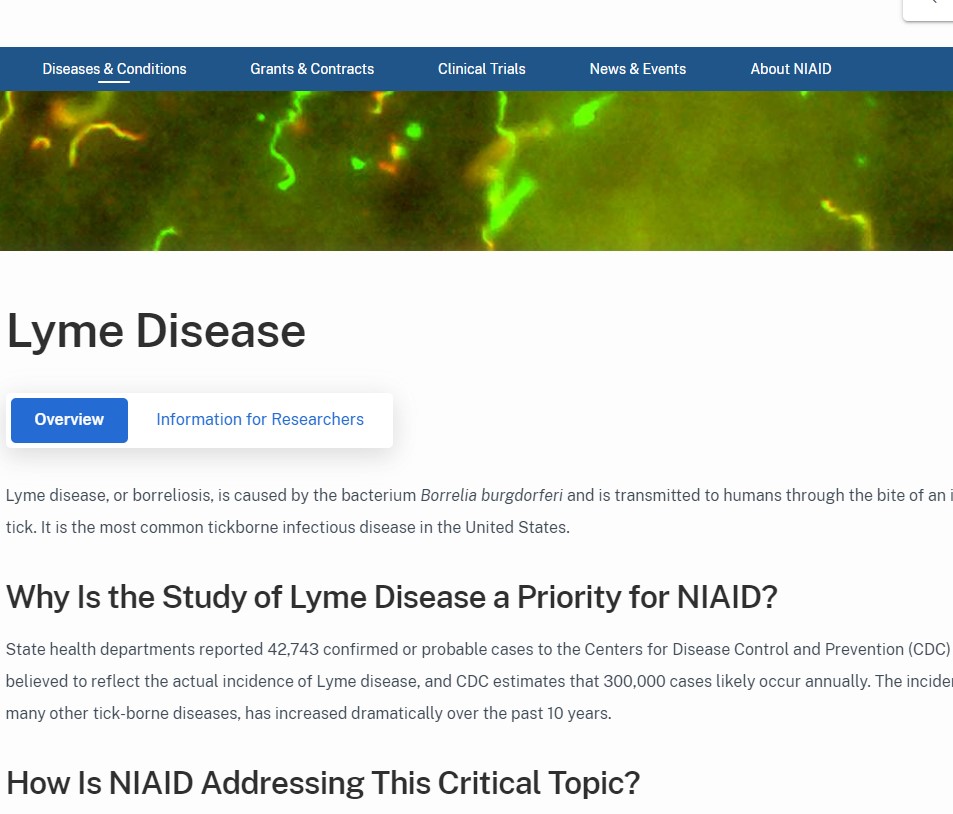
National Institutes of Health (NIH) Lyme Disease
American Lyme Disease Foundation Advocacy and Education Group
Lyme Disease Association Advocacy and Education Group
Mainely Ticks Education Group
LymeTV
Icons from www.flaticon.com