DHHS → MeCDC → Environmental and Community Health → EOHP → Childhood Lead Poisoning → Parent Information
Environmental & Occupational Health Program
- Air Quality
- Carbon Monoxide
- Childhood Lead Poisoning
- Climate and Health
- Healthy Homes
- Fish & Game Guidelines
- Heat-related Illness
- Maine Tracking Network
- Occupational Disease Reporting
- Pollen
- Well Water
- About Us

Childhood Lead Poisoning

Parents
What can you do to keep your child safe from lead?
- Order a free lead dust test kit for your home.
- What is lead and where is it found?
- What is so bad about lead?
- How does lead poisoning happen?
- Is my child at risk for lead poisoning?
- How can I keep my child lead-safe at home?
- Should I worry about lead in my water?
- What if my child's blood lead level is high?
- Where can I find more information?
What is lead and where is it found?
Lead is a toxin that can be especially harmful to children under the age of 6. Before the risk to young children was known, it was used in many products.
Before 1978 it was found in paint. Paint bought today does not have lead in it. Older houses often still have old lead paint. Lead dust from old paint is the most common way children get lead poisoning.
What's so bad about lead?
Lead can have a very serious and permanent effect on
a child’s growth and development. 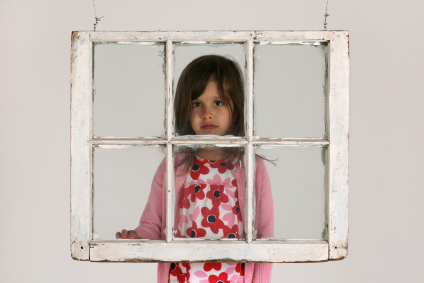
Lead can cause:
- Learning disabilities
- Behavioral problems
- Hearing damage
- Language or speech delays
- Lower intelligence
If you think your child could be at risk for lead poisoning, talk to his or her doctor about testing your child for lead. Identifying lead in your child’s environment is the best way to prevent lead poisoning.
How does lead poisoning happen?
Dust from lead paint found in older homes and apartments is almost always the cause of lead poisoning.
- Lead dust collects on surfaces where children put their hands and play with toys. Children often put their hands and toys into their mouths.
- This makes it very easy for lead dust to get into and damage their growing bodies.
Lead dust can come from:
- Opening and closing old, painted windows
- Peeling or chipping paint
- Repair projects that disturb old paint
- Worn painted floors and stairs
Order a free test to find out if you have lead dust in your home or apartment.
Other less common sources of lead:
- Soil, especially next to old buildings
- Your job or your family members’ jobs
- Hobbies (stained glass, fishing sinkers, lead shot, furniture refinishing)
- Antiques or old, painted furniture or toys
- Drinking water and plumbing (lead pipes, lead solder, brass fixtures and valves)
- Consumer products
 (imported toys, chalk, jewelry)
 - Folk remedies (Greta, Arzacon, Pay-loo-ah, Kohl, Kandu) and some herbal remedies (Ayurvedic)
Is my child at risk for lead poisoning?
Maine requires blood lead tests for all children at 1 and 2 years of age. The only way to know if your child has lead poisoning is to get your child tested.
If your child is younger than 6 years old, and you answer yes to any of the questions below, talk to your child's doctor about a blood lead test for your child.
- Do you live in a home was built before 1950?
- Do you live an a home built before 1978 where there has been recent work like painting, renovations, or repairs?
- Does your child frequently visit an older home?
- Does your child spend time with an adult whose job exposes him or her to lead?
(Examples: construction, painting, metal cutting or recycling) - Does your child have a brother, sister or neighbor who has had lead poisoning?
- Were you or your child born in another country?
- Does your child put lots of things that are not food in his/her mouth?
- Have you moved to an older building since your child’s last blood lead test?
How can I keep my child lead-safe at home?
If you live in an older home here are four things to do to help protect your child from lead dust.
1. Check the paint in your home.
- Check painted windows, doors and floors for peeling, flaking or chipping paint. Keep children away from these areas.
- Pick up any paint chips and throw them in the garbage.
- If a child plays near a window with old paint, put something like furniture in front of the window so that the child can’t touch the old paint.
- If you live in an apartment, don’t let the children play in the hall, stairs, or porch.
- Tell your landlord about damaged paint.
- Don’t let your children play near dirt next to the home. Grass and sandboxes are ok.
2. Keep things clean.
- Wash children’s hands before eating and before sleeping.
- Wash toys once a week and keep toys away from areas with chipping paint.
- Don’t let children eat food that has fallen on the floor.
- Feed your children at a clean table or high chair.
- Wash pacifiers and bottles if they fall on the floor and before giving them to your child.
- Clean floors, windowsills and tabletops with wet mops or rags once a week.
3. Don’t make matters worse.
- Never dry scrape or sand old paint.
- Put off renovations until your children are older.
- If you need to make repairs or do maintenance use lead-safe methods. Learn more about lead-safe painting, repairs, and renovations at epa.gov/lead .
- If you work with lead at your job, change your shoes and clothes right away after work. Put dirty clothes in their own bag or hamper. Wash work clothes separately from family laundry.
4. Test your home for lead dust.
Should I worry about lead in my water?
- Since you cannot see, taste, or smell lead in water, testing is the only way to find out if there is lead in your drinking water.
- Testing for lead is especially important if young children or pregnant women drink the water.
- A first draw test is the recommended test for lead in water.
- Get a list of labs where you can test your water for lead.
Tip! It is always a good idea to use cold tap water for drinking and cooking. Run your water until it feels cold before using it for drinking and cooking. This will flush any water that has high levels of lead because it has been sitting in the pipes.
How does lead get into drinking water in your home?
- Houses and apartments may have plumbing that contains lead.
- Lead can be found in brass fixtures and fittings, or in solder used in copper plumbing.
- Before 1987, solder that contained lead was used to join copper pipes in houses and apartment buildings.
- Until 2014, plumbing could have up to 8 percent lead content.
- Lead in pipes or plumbing can dissolve into water, especially if the water is corrosive.
- Water that has been sitting in a pipe for a long time can have more lead in it.
- Lead levels are usually highest after the water has been sitting in the pipes overnight or for more than 6 hours.
- Typically, lead levels decrease after water is run for about a minute. This means that there is likely to be less lead in the water as faucets are used during the day.
Find information about lead in school drinking water.
What if my child's blood lead level is high?
If your child has a high blood lead level, it is important to make sure you:
- Keep appointments with your child's doctor for follow-up blood lead tests.
- Keep your child away from lead hazards. Call the Maine Childhood Lead Poisoning Prevention Program for help: 866-292-3474 (toll-free in Maine), 207-287-4311, TTY: Call Maine Relay 711.
- Feed your child healthy meals and snacks.
Foods high in iron, calcium, and vitamin C are especially important. See Fight Lead Poisoning With A Healthy Diet.

- Provide a variety of activities, such as Head Start or preschools, play groups, or summer camps for your child. Enrich your child with age appropriate toys, games, and books.
- If you think your child may have problems with learning, development or behavior, talk to your doctor. Your child can be evaluated to see if they need help with learning or behavior.
Where can I find more information?
| Document/Resource | Source | Size | Type |
|---|---|---|---|
Hire RRP Certified Contractors to Renovate, Repair or Paint Your Home |
Maine Childhood Lead Poisoning Prevention Unit, Maine CDC, DHHS | 172KB | PDF* |
| Testing Your Child For Lead | Maine Childhood Lead Poisoning Prevention Unit, Maine CDC, DHHS | 99k | PDF* |
| Don’t take lead home from your job! | Maine Childhood Lead Poisoning Prevention Unit, Maine CDC, DHHS | 150k | PDF* |
| Keeping your child away from lead | Maine Childhood Lead Poisoning Prevention Unit, Maine CDC, DHHS | 532 KB | PDF* |
| Lead in School Drinking Water: Informaiton for Parents and Guardians | Maine Childhood Lead Poisoning Prevention Unit, Maine CDC, DHHS | ||
| Lead Recalls |
U.S. Consumer Products Safety Commission | N/A | Web |
Maine Department of Environmental Protection (DEP) Lead Hazard Prevention  |
Maine Department of Environmental Protection | N/A | Web |
| Lead Paint Safety: A Field Guide for Painting, Home Maintenance, & Renovation Work |
U.S. Housing and Urban Development | 1.3 MB | PDF* |
| Fight Lead Poisoning With A Healthy Diet |
U.S. Environmental Protection Agency | 1.3 MB | PDF* |
| Don't Spread Lead - English | NE Lead Coord Committee | 800 kb | PDF* |