Elder Justice

In a society that values the just treatment of all people, elder abuse has implications for all of us. We all have the right to live free from the dehumanizing and disempowering effects of abuse, neglect, and exploitation. Yet research shows that elder abuse is common, with one in ten Americans 60 years and older having experienced abuse in the past year. It can include physical, emotional, or sexual abuse, along with neglect and financial exploitation, and it is most often committed by a trusted person, including intimate partners, adult children, and other family members.
Recognizing the importance of this issue, Governor Mills established the Elder Justice Coordinating Partnership (EJCP) by Executive Order in 2019. The Partnership assembled private sector and public sector experts representing a wide array of disciplines to develop an Elder Justice Roadmap to address Maine’s response to and prevention of elder abuse in all its forms. A grant from the John T. Gorman Foundation provided funding to support the process.
In December 2021, the Partnership issued Maine’s first Elder Justice Roadmap, a comprehensive and visionary set of recommendations to advance elder justice goals in Maine. An updated roadmap was released in 2026 which highlights significant milestones achieved since the release of the first in 2021. It also identifies 13 top priorities and 9 secondary priorities designed to decrease the incidence of elder abuse in Maine, increase the number of victims who seek and receive help, and improve Maine’s multidisciplinary response to abuse committed by persons of trust, such as family members or caregivers.
What are protective factors?
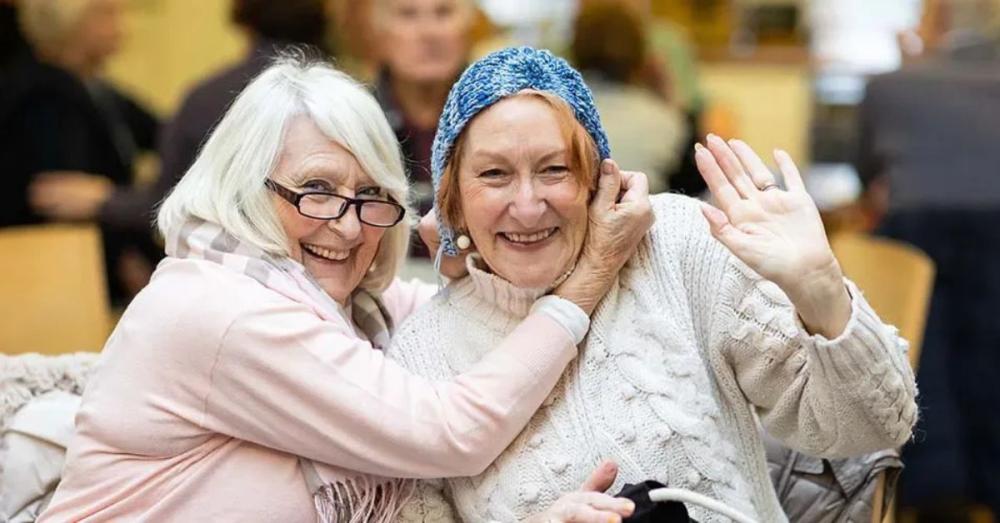
The root causes of elder abuse are deeply connected to broader social determinants of health, and many risk and protective factors need to be addressed through systemic change in social service delivery, housing and transportation accessibility, food security, income inequality, and other areas that advance elder justice goals.
This also means there are protective factors that can help detect and prevent elder abuse, such as social engagement, caregiver supports, and community connections.
What are the effects?
The effects of elder abuse are far-reaching and sobering. For example, older adults who experience fraud and exploitation are at risk of financial ruin, at the very time when they may need resources to pay others for care and support. AARP estimates older adults lose $20.3 billion each year to financial exploitation by someone they know.
The health effects of elder abuse and exploitation are no less severe and include higher rates of depression, anxiety, and self-reported poor health, as well as increased emergency department, hospital, and nursing facility use.