DHHS → MeCDC → Disease Surveillance → Epidemiology → Home
EPI Information
- A - Z Index of Epidemiology Diseases
- Contact Us
- Disease Reporting
- Syndromic - drug overdose data
- Orderable Materials
- Maine Tracking Network: Tickborne Diseases
- Publications
- Request for Data
- Vectorborne School Curricula
- Zoonotic Disease Train the Trainer
- School Health
- Videos
Information for

Disease Surveillance Epidemiology Program
Maine CDC works to monitor and prevent infectious diseases in Maine. Infectious diseases are very common worldwide and in Maine. These diseases are caused by certain viruses, bacteria, fungi, or parasites.
Learn More About Diseases That Can Be Spread Through:
 The Air or By Touch The Air or By TouchExamples: Legionellosis, Group A Streptococcus |
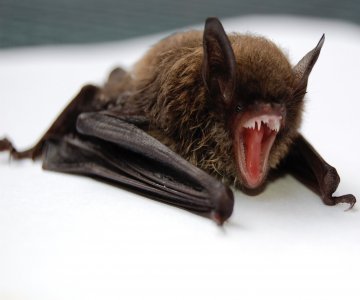 Animal Exposures Animal Exposures
Examples: Hantavirus, Rabies, Tularemia |
 Food, Drinks, or Poor Sanitation Food, Drinks, or Poor Sanitation
Examples: Norovirus, Salmonella, Vibriosis |
 Recreational Water Recreational Water
Examples: Cryptosporidiosis, Giardiasis, Norovirus |
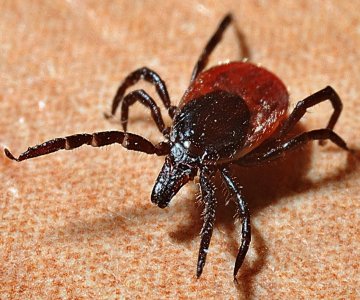 Vectors (Ticks and Mosquitoes) Vectors (Ticks and Mosquitoes)
Examples: Anaplasmosis, Lyme disease, Eastern Equine Encephalitis (EEE) |
Learn More About Specific Disease Areas:
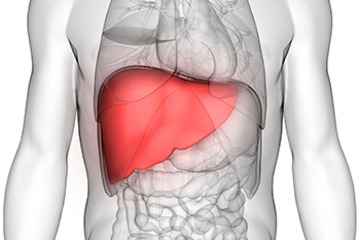 Hepatitis Hepatitis
|
 Influenza Influenza
Examples: Pertussis (Whooping Cough), Mumps, Varicella (Chickenpox) |
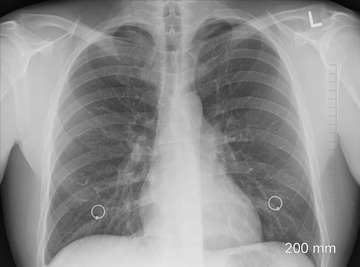 Tuberculosis Tuberculosis
|
 Vaccine Preventable Diseases Vaccine Preventable Diseases
Examples: Pertussis (Whooping Cough), Mumps, Varicella (Chickenpox) |