Colonial Pemaquid State Historic Site
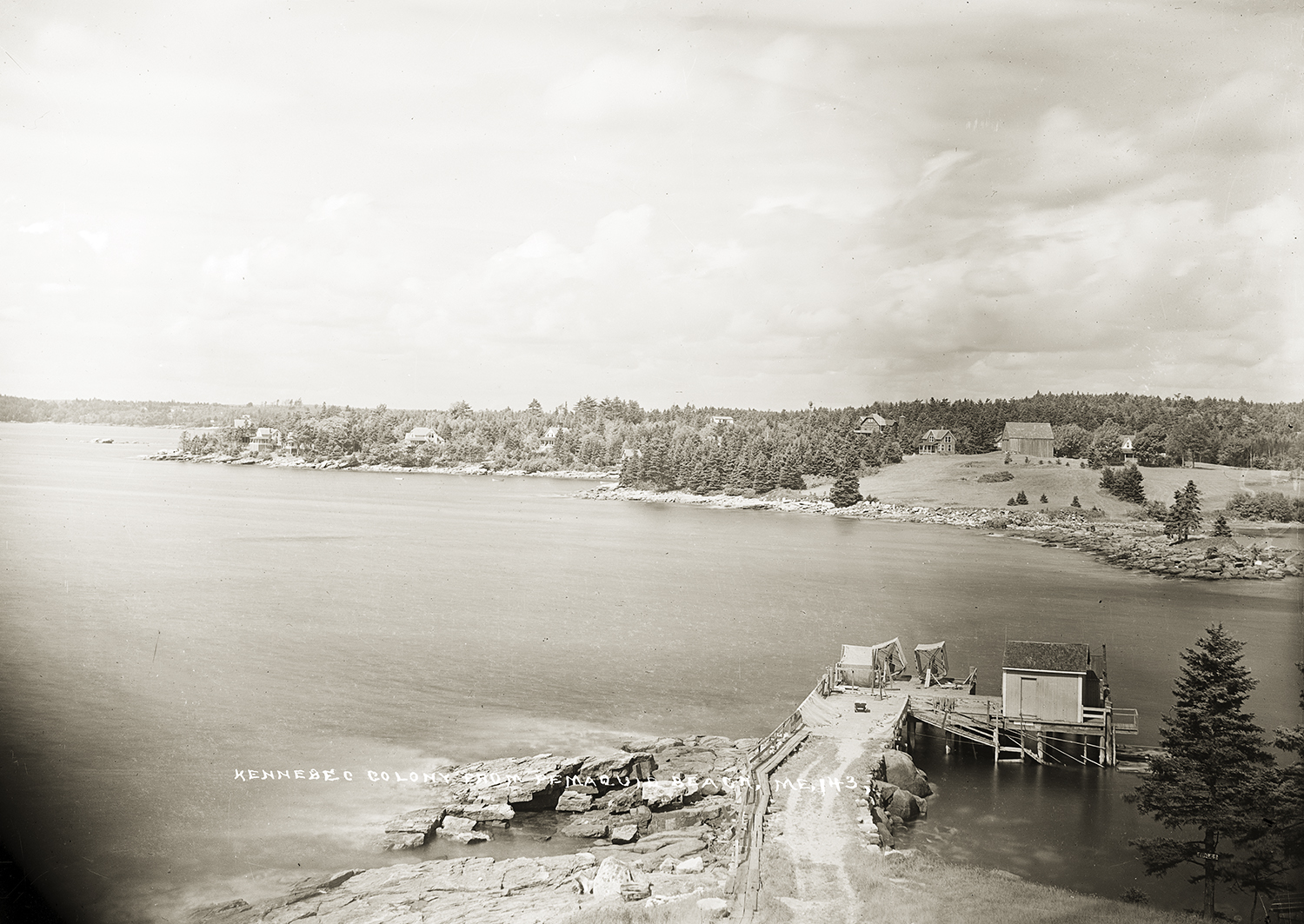
Pemaquid Harbors and John's Bay showing ancient settlement of Pemaquid 1906. Photo: Library of Congress.
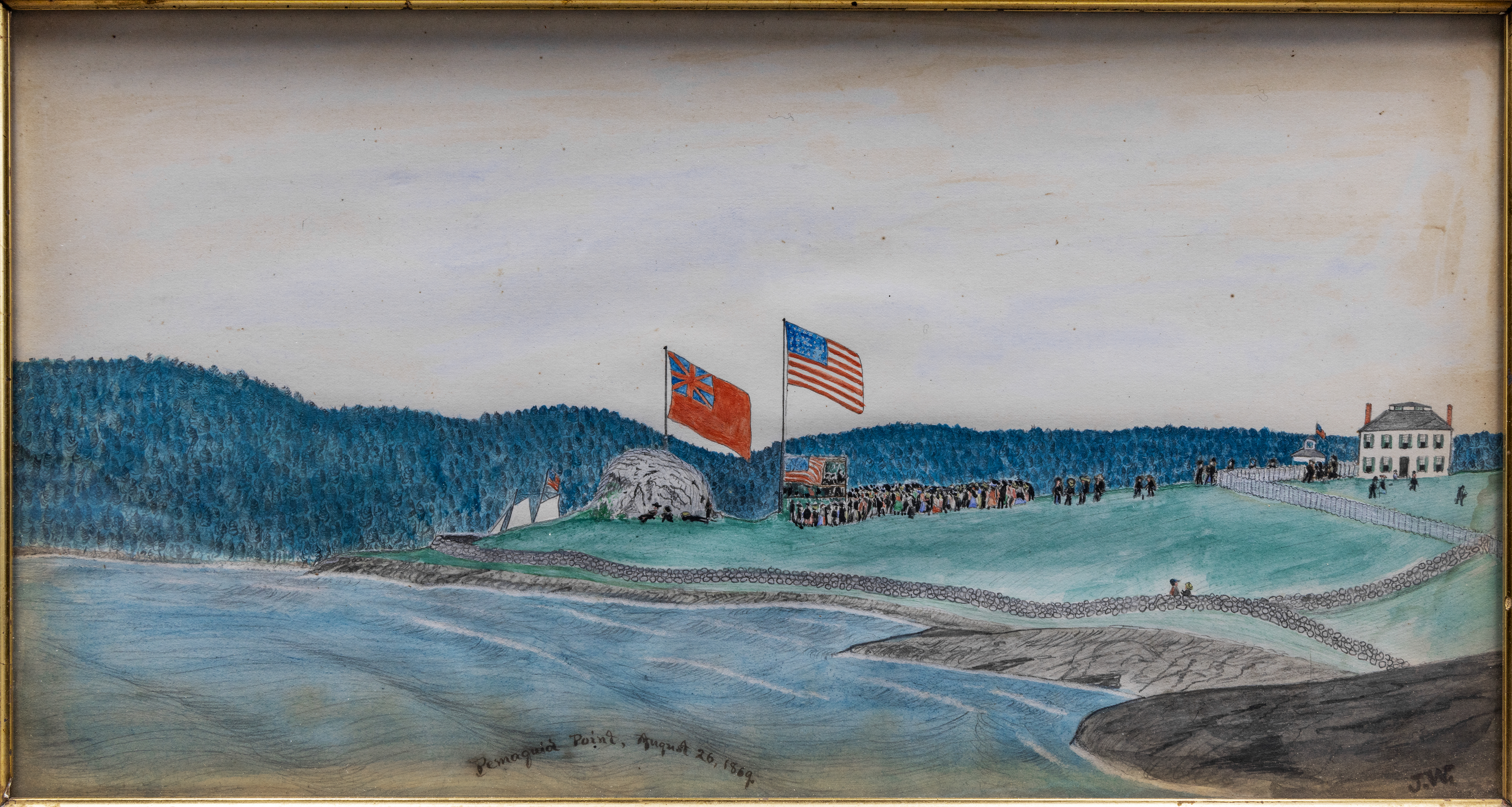
Jutting out into the Atlantic Ocean, the name for the narrow peninsula of Pemaquid means "long point" in the Abenaki language. Recognizable for the area's tilted, striated ledges and picturesque lighthouse, Colonial Pemaquid is a significant historic site in Maine, showcasing one of the earliest European settlements while acknowledging the long history of the Wabanaki people who thrived along this coast long before European traders arrived in the early 1600s.
English settlers established Pemaquid in the early 17th century, growing to around 40 homes and over 150 residents by 1673. Its coastal location made it crucial for fishing and trade, but it also became a site of conflict during colonial wars. Pemaquid faced multiple attacks, leading to its destruction and subsequent rebuilding.
Visitors today can explore the remains of the early settlement, including the reconstructed Fort William Henry, originally built in 1692. The site features a museum styled like a 17th-century fishing station, displaying artifacts from archaeological excavations that reveal daily life over 300 years ago. Established as a Maine State Historic Site in 1903 and recognized as a National Historic Landmark, Colonial Pemaquid preserves an essential part of Maine's history.