William King
Maine State Archives
In 1820, William King of Bath was riding high. The wealthiest shipbuilder in all of Maine and a man with numerous properties and other businesses had not only finally achieved the decades-long goal of getting Maine to statehood, he was elected its first governor.
The Sultan of Bath, as he was known, relished his triumph, but it wasn’t to last. By the time of his death in 1852, he had lost his fortune and his many properties, investments, and businesses.
Born in Scarborough in 1768, King began building his business career at the age of 19 when he moved to Topsham. There, he established a sawmill as well as a retail business, but it was shipbuilding that would catapult his fortunes and his political ambitions.
After moving to Bath in 1799, he became heavily involved in local civic projects—he founded Bath’s first bank and the South Church—and in district- and statewide politics. While serving in the Massachusetts Legislature, he became a leading voice for Maine becoming its own state. It was as the leader of that movement that he helped gain statehood for Maine and shaped Maine’s constitution.
Declines in his business ventures starting with the devastating impact of the War of 1812 on the shipping industry, forced him to sell off most of his properties and land investments, including the land he owned in what is now Kingfield, which was named after him.
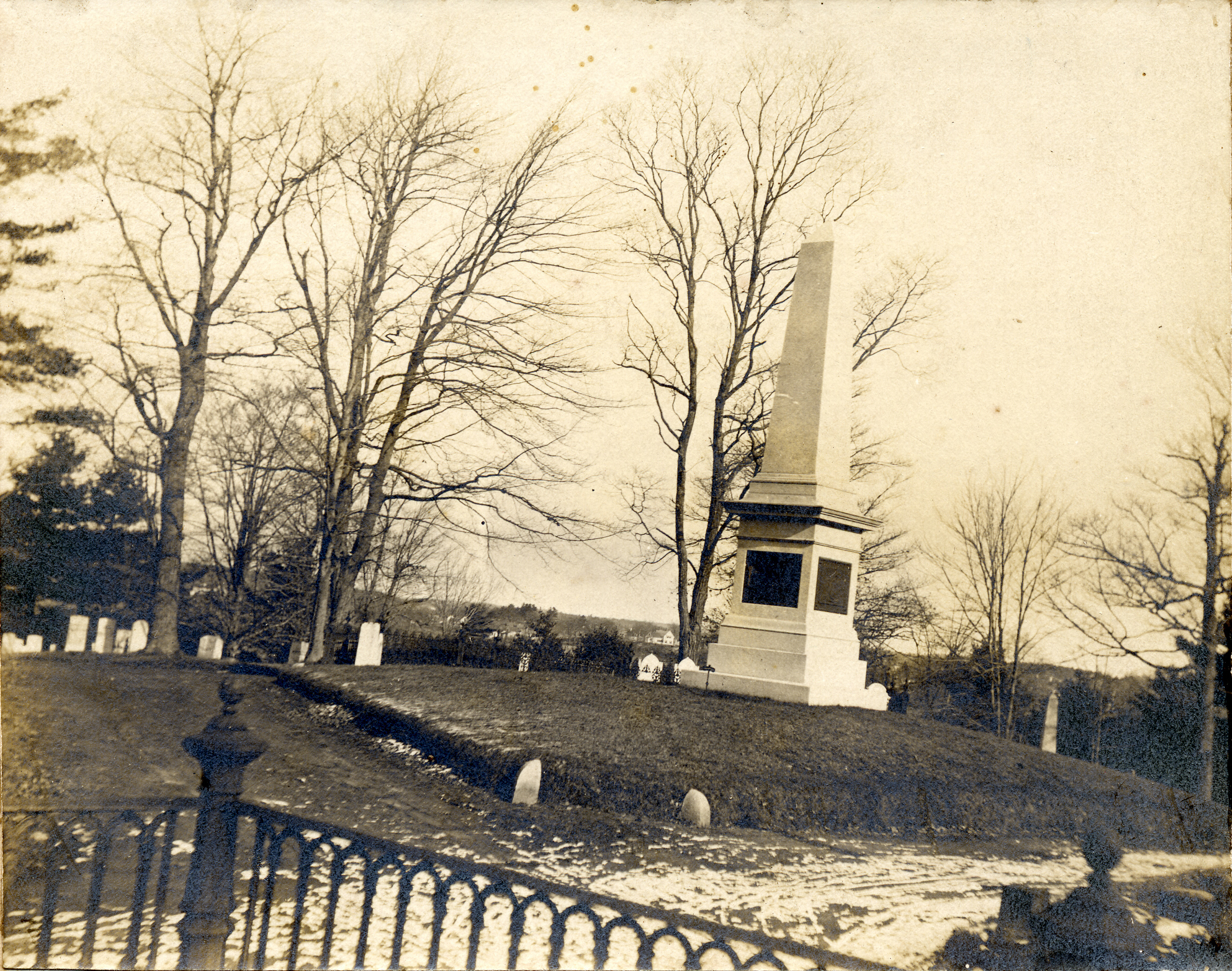
Today, his summer home in north Bath is still standing. The privately owned stone house was placed on the National Register of Historical Places in 1976. King’s substantial private library was acquired by and is housed at Patten Free Library in Bath. He and his family members are buried in Bath’s Maple Grove Cemetery. The State of Maine erected a monument there in 1855.
Author: Stephanie Bouchard