Washburn-Norlands Living History Center
Library interior. Photo: Washburn Norlands Living History Center.
On a bucolic rise in Livermore site the property of one of the most remarkable families in Maine, and you can visit. The 400-acre Washburn-Norlands estate is the ancestral seat of the Washburn family, one of the most politically influential families of the 19th century. Of the ten children born to Israel and Martha Washburn, seven sons rose to serve as governors, congressmen, a United States senator, Secretary of State, foreign ministers, a Civil War general, and a Navy captain. As industrialists, the Washburn brothers' achievements included founding of the Washburn-Crosby Gold Medal Flour Company, the invention of a typewriter, and serving as president of a railroad.
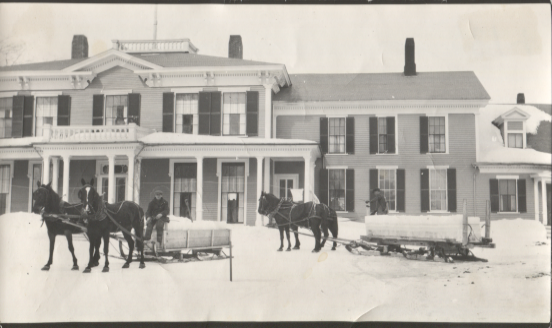
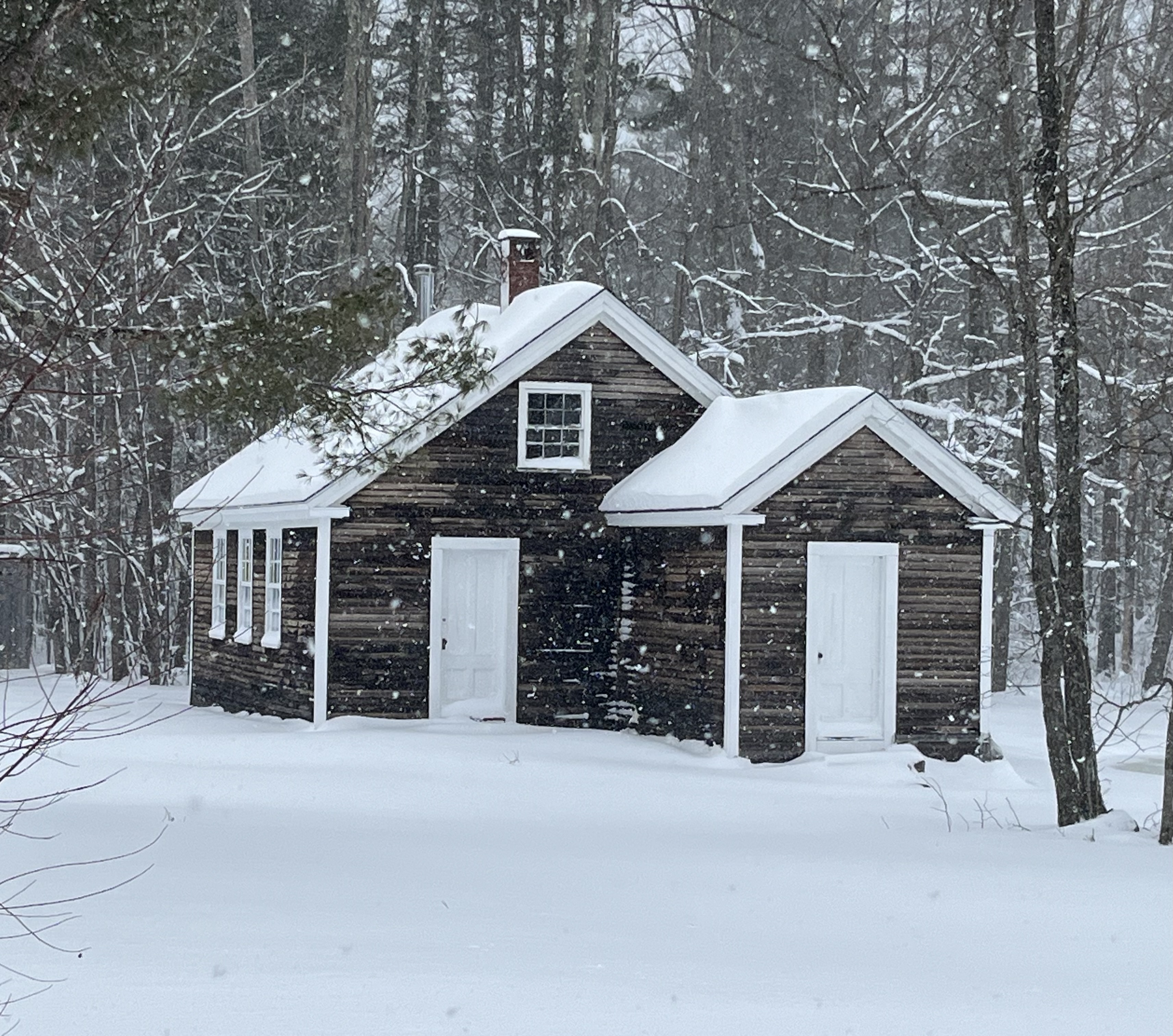
The estate itself includes the family's original gothic-revival farmhouse, a granite library built by the Washburns for the town, a one-room schoolhouse, a barn, and a small Congregational-style chapel, all preserved on the original grounds. Rather than functioning as a static museum, Norlands operates as a living history center: costumed interpreters, hands-on farm chores, and immersive overnight and school programs allow visitors — especially students — to experience 19th-century rural Maine life directly, from candle-dipping and open-hearth cooking to one-room schoolhouse lessons conducted in period style.
The site is maintained by the Washburn-Norlands Foundation, a nonprofit organization, and draws on the Washburn family's extensive surviving letters, diaries, and possessions to ground its programming in documented, specific history rather than generalized reenactment. Washburn-Norlands is notable in the Maine historical landscape for its immersive, experiential approach to teaching history.