Tate House Museum
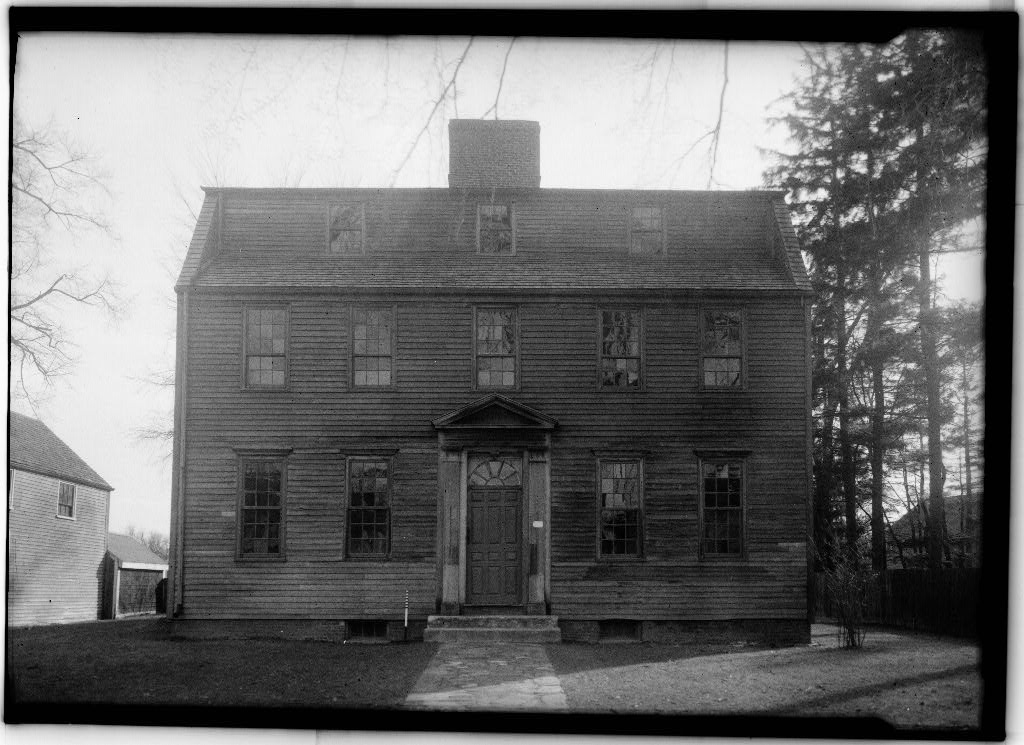
Photo: Library of Congress
As an island nation whose power and influence depended on ships, Britain relied on timber. Not just any timber: It needed enormous, perfectly straight trees to build and maintain masts strong enough to support the sails that powered its naval fleet. The old-growth pines of Maine, sometimes 200 feet tall, were perfectly suited.
To secure these prime trees, the Crown claimed them with a vertical line topped with hashes to form an upside down V – known as King George’s broad arrow – cut into the bark of the best trees. It was the role of mast agents to procure and ship these marked trees. One of those agents was a former ship captain named George Tate.
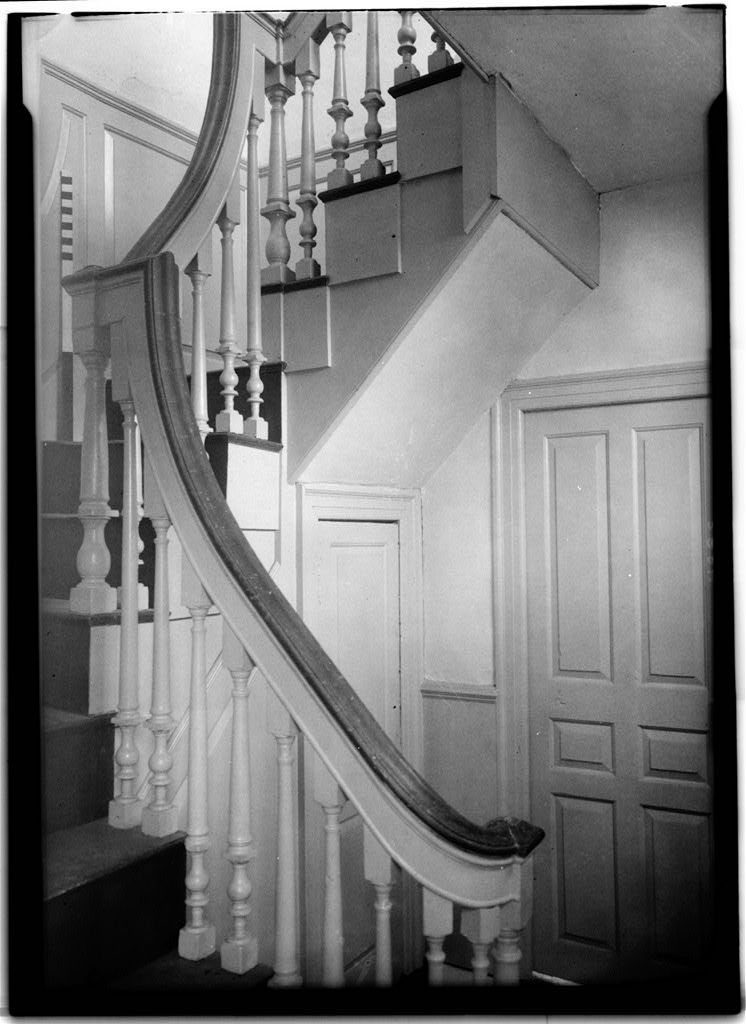
In 1755, Tate built a home for his family in Portland’s Stroudwater village overlooking the Fore River and a mast yard. Built in the Georgian style, the two-and-a-half story home is known as one of only two colonial-era structures in the state to have an unusual, indented gambrel roof (the other is Machias‚Äô Burnham Tavern). While the Tate family managed to remain in the home through the Revolutionary War, they lost it to bankruptcy in 1803 and the home was divided into apartments.
Concerned about preserving one of the only pre-Revolutionary buildings left in Portland, advocates organized and secured the home, which opened as a historic house museum in 1935. Owned and cared for by the Maine chapter of the National Society of the Colonial Dames of America, the Tate House is on the National Register of Historic Places, is a National Historic Landmark, and is part of the Stroudwater Historic District. It is open seasonally to the public.
Author: Stephanie Bouchard