Spruce Gum
Curtis Chewing Gum Factory c. 1900. Photo: Maine Maritime Museum.
Maine is known for many delectable edibles – lobster, blueberries, maple syrup, to name a few – but in the mid-nineteenth into the early twentieth centuries, it was also known for chewing gum. In fact, the state was one of the largest producers of chewing gum in the Northeast. The variety that was responsible for this success was not cinnamon or mint flavored. Maybe not surprisingly, it was spruce.
The sticky amber resin of spruce trees has been used for a variety of purposes. Wabanaki peoples used spruce resin medicinally, as a chewing substance, and to seal seams in birchbark canoes, baskets, and containers. It has also been used as a fire starter and an adhesive for repairing tools and cracked items. But a Hampden native made it into the first successful commercial chewing gum in the United States in 1848.
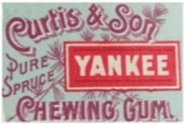
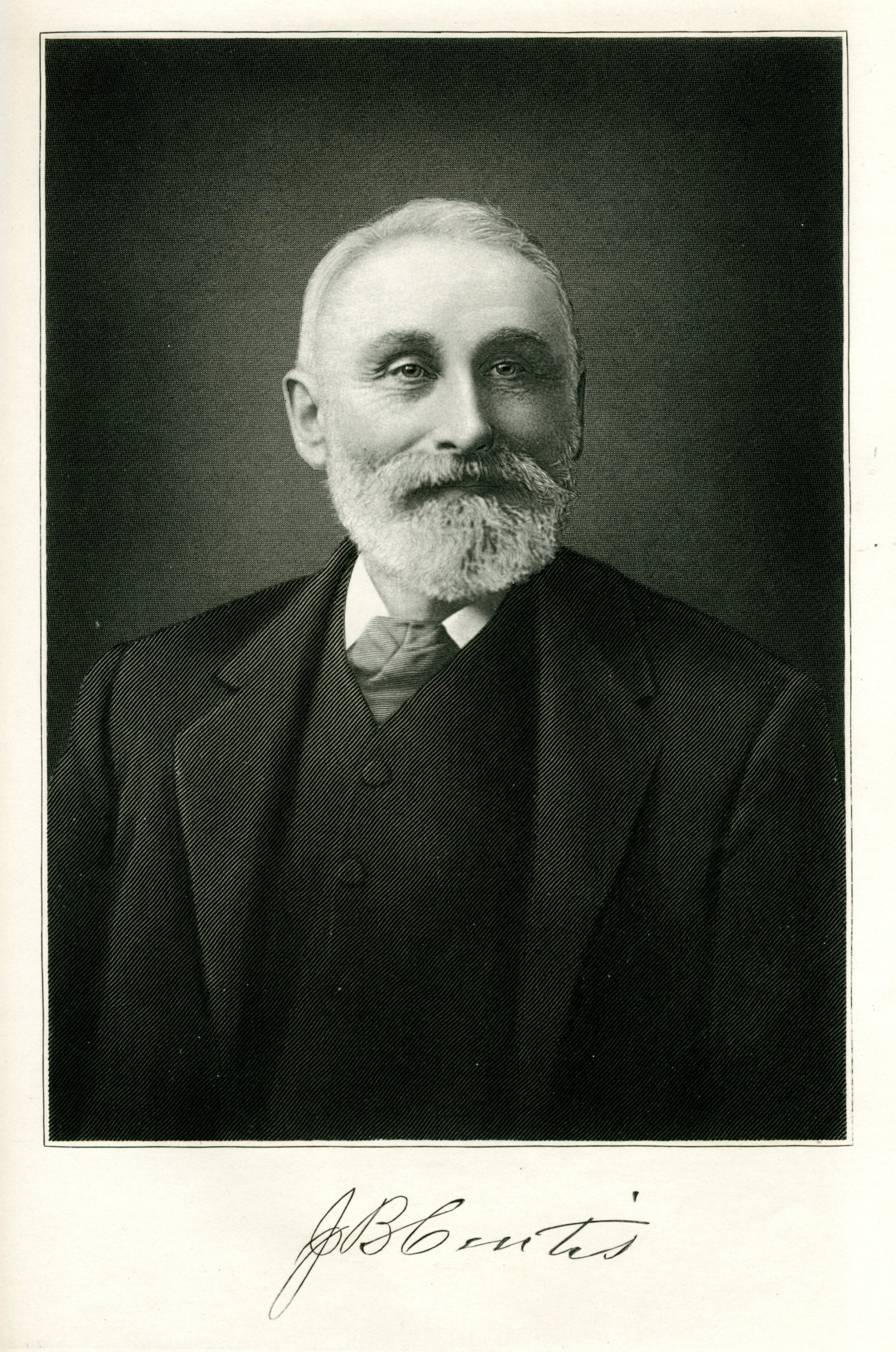
John Bacon Curtis was familiar with spruce sap and its many uses and decided to experiment with turning it into chewing gum. Enlisting his father, the two cooked up a batch on their kitchen stove and Curtis went store to store trying to sell it. He wasn’t discouraged at the lack of interest in his “State of Maine Pure Spruce Gum.”
Curtis’ determination eventually paid off. By 1852, Curtis & Son Company had opened one of the first chewing gum factories in the United States. Its 200 employees produced 1,800 boxes of gum per day.
Over the years, Curtis experimented with his gum, trying more appealing flavors than the bitter-tasting original, but it fizzled out in part because cheaper, softer, and easier to mass produce ingredients transformed the market.
No longer widely produced, spruce gum is still available today, mostly made by small-batch makers.
Author: Stephanie Bouchard