Portland's Old Port
Photo: Maine Office of Tourism
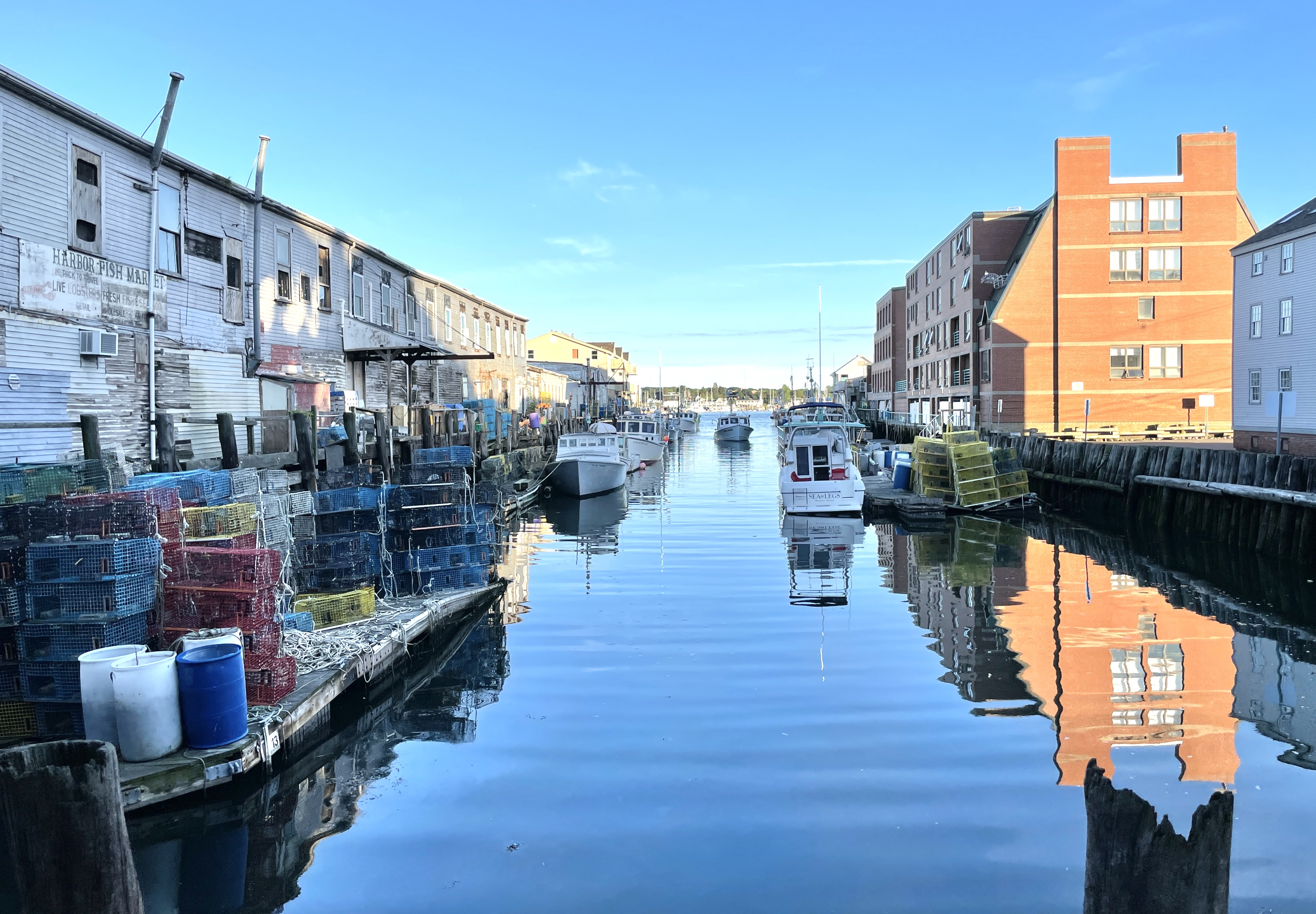
Across the street from upscale hotels, fine dining restaurants, and an assortment of retail shops, fishermen hose off the decks of their boats and stack plastic totes filled with lobster and fish onto docks and into waiting trucks. It’s a typical day in Portland’s Old Port, where the working waterfront coexists with the city’s reputation of being a world-class tourist and foodie destination.
Spanning just a few blocks between Portland Harbor and Congress Street, the Old Port is a dense neighborhood of housing, working waterfront, and commercial, entertainment, and service businesses connected by a network of brick sidewalks. Its cheek-by-jowl brick and granite buildings were part of the rebuilding effort following the Great Fire of 1866, which destroyed most of Portland’s downtown and waterfront areas.
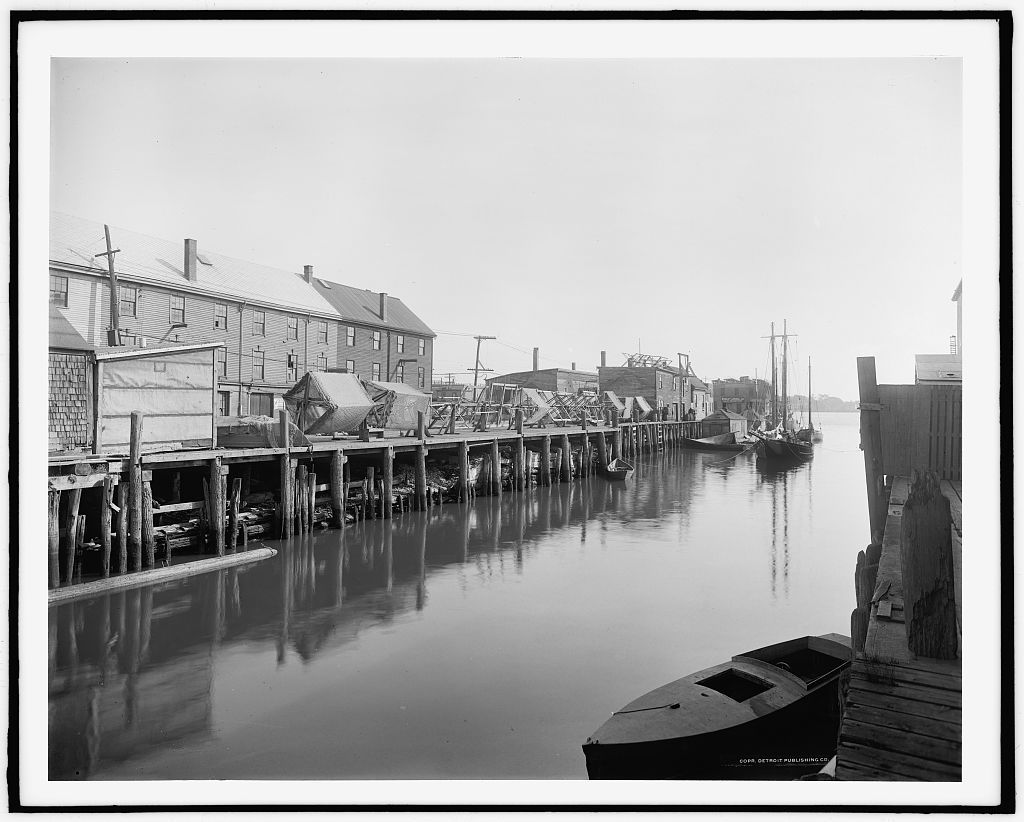
Today, the Old Port’s narrow streets are thronged with tourists in the summer, but as the district’s shipping dominance waned after World War II, businesses left or closed and its wharves deteriorated.
Preservation efforts and new investment beginning in the 1970s turned the decline around. Wharves were rebuilt, warehouses repurposed into retail and living spaces, and by the early 2000s, the city was getting national attention as a best place to visit and eat.
All that attention has brought some downsides around parking and affordability, in particular. And there’s the looming issue of rising sea levels. Part of the Old Port is built on filled in land between the water and Fore Street. Several feet of water inundating the streets, piers, and businesses in those areas is increasingly common during high tides and extreme weather events.
But as with past challenges, the Old Port continues to adapt. City leaders, preservationists, and the fishing and business communities are exploring ways to protect the working harbor and preserve the historic district so that residents and visitors alike can continue to trip on the Old Port’s granite block pavers as they make their way to the harbor to catch the mailboat run and watch fishermen unload the day’s catch.