Peterborough Cemetery
Photo: Amanda Shelmerdine
Situated in the mid-cast region of southeastern Maine sits the small Town of Warren. There is a rich history here, closely tied to maritime activities beginning in the mid-seventeenth century. Around 1782, Sarah Peters was kidnapped from her home in Guinea and brought to Warren as a slave on a ship owned by Captain James McIntyre. After slavery was abolished in Massachusetts in 1783/1784, Sarah successfully sued for her freedom and married Amos Peters, a man of African and Wampanoag ancestry and Revolutionary War veteran.
During the war, it is speculated that Amos Peters met Secretary of War General Henry Knox, who later granted him 150 acres of fertile farmland in Warren. Together, Amos and Sarah raised a large family and settled near South Pond, a significant distance from the main village. By the 1820s, they established their own school district, became members of a Baptist church, and accumulated a substantial amount of land.
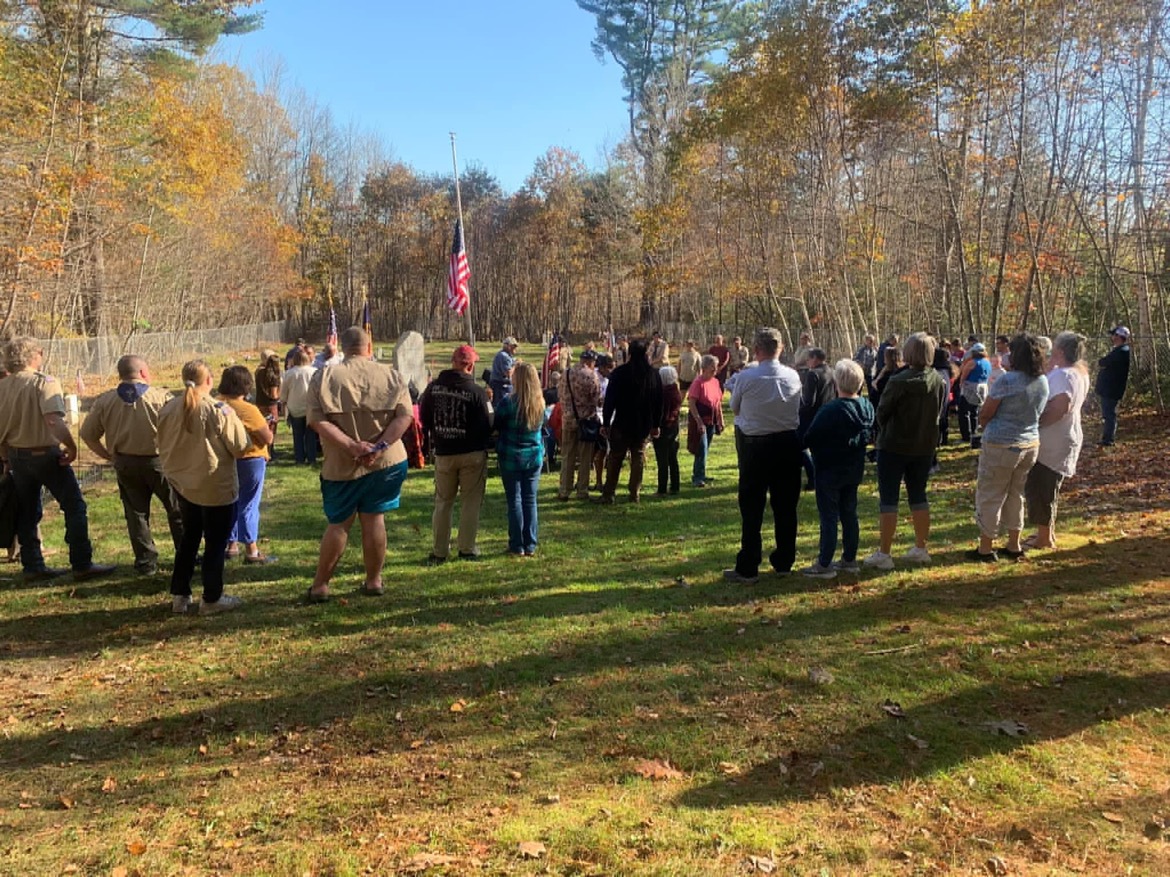
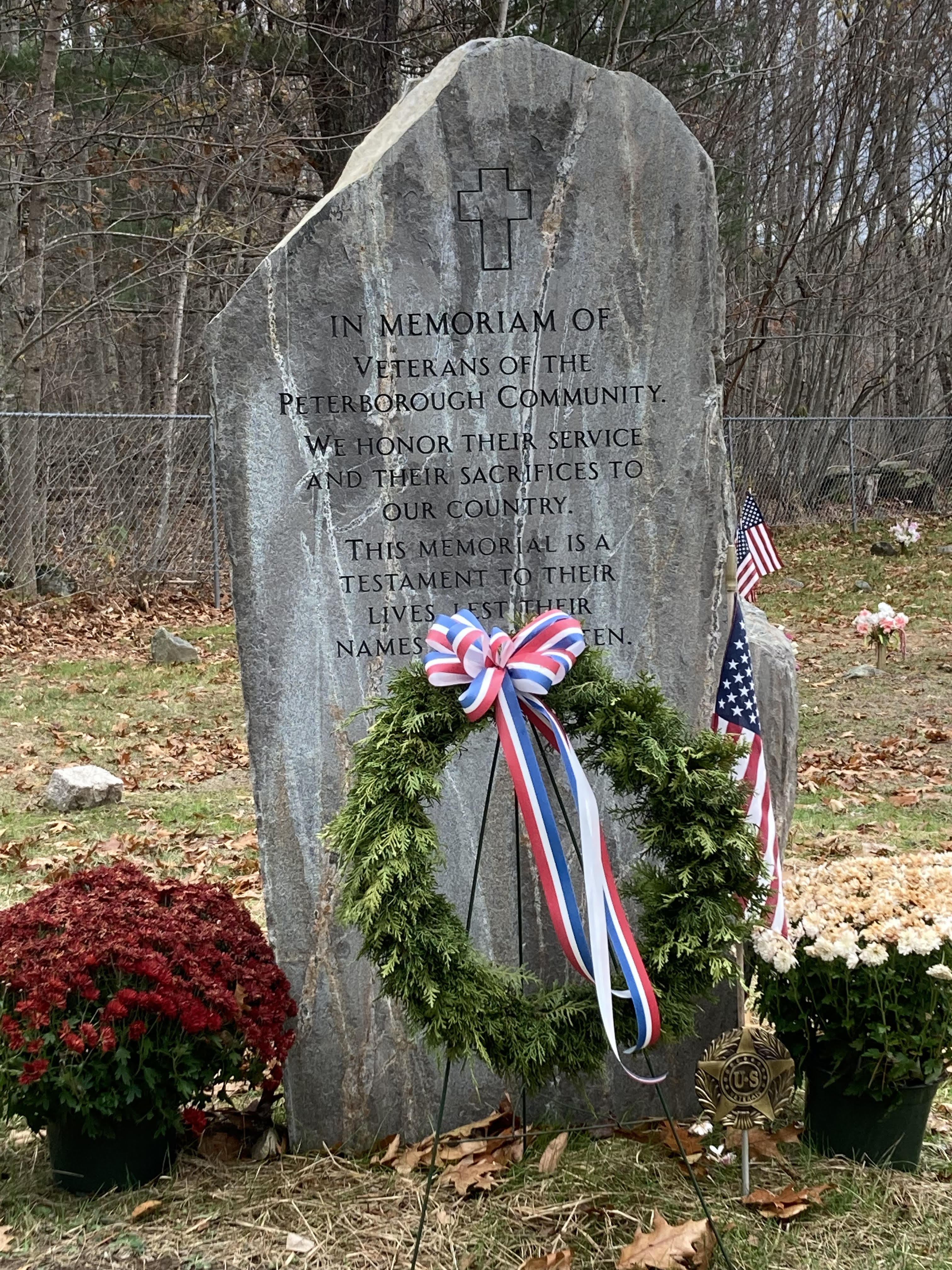
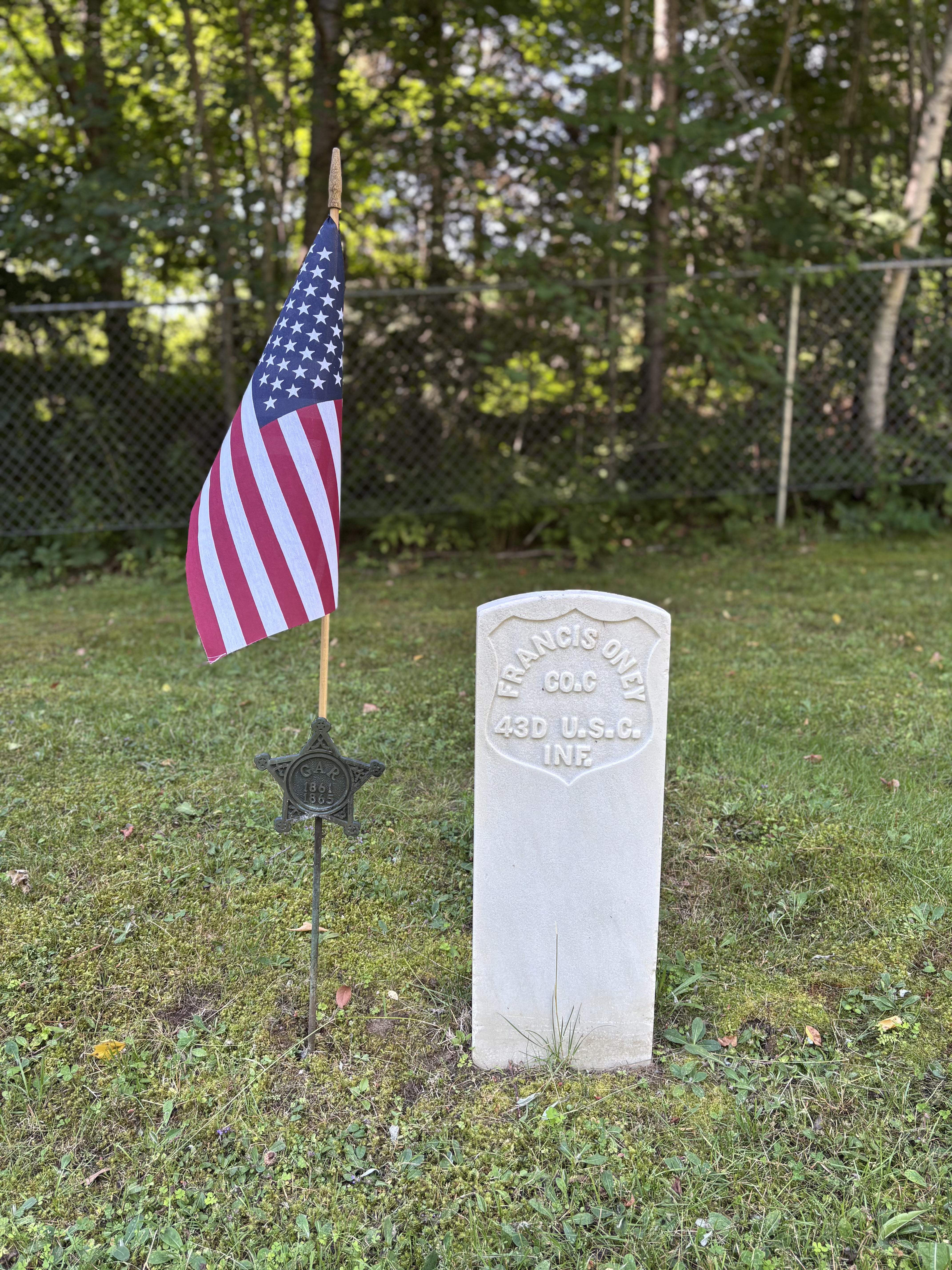
Amos Peters and his extended family were integral to the prosperity of the maritime economy, as well as the construction of roads, community buildings, and even the Knox mansion, Montpelier. Home to the largest black population in the State of Maine at the time, the prosperity of Peterborough peaked in the 1850s and 1860s. However, after losing many young men during the Civil War, the area’s population began to decline, and the last residents left in the 1950s. The Peterborough Cemetery is all that remains of this once vibrant community and stands as an important reminder of the area’s rich heritage.