Osher Map Library & Smith Center for Cartographic Education
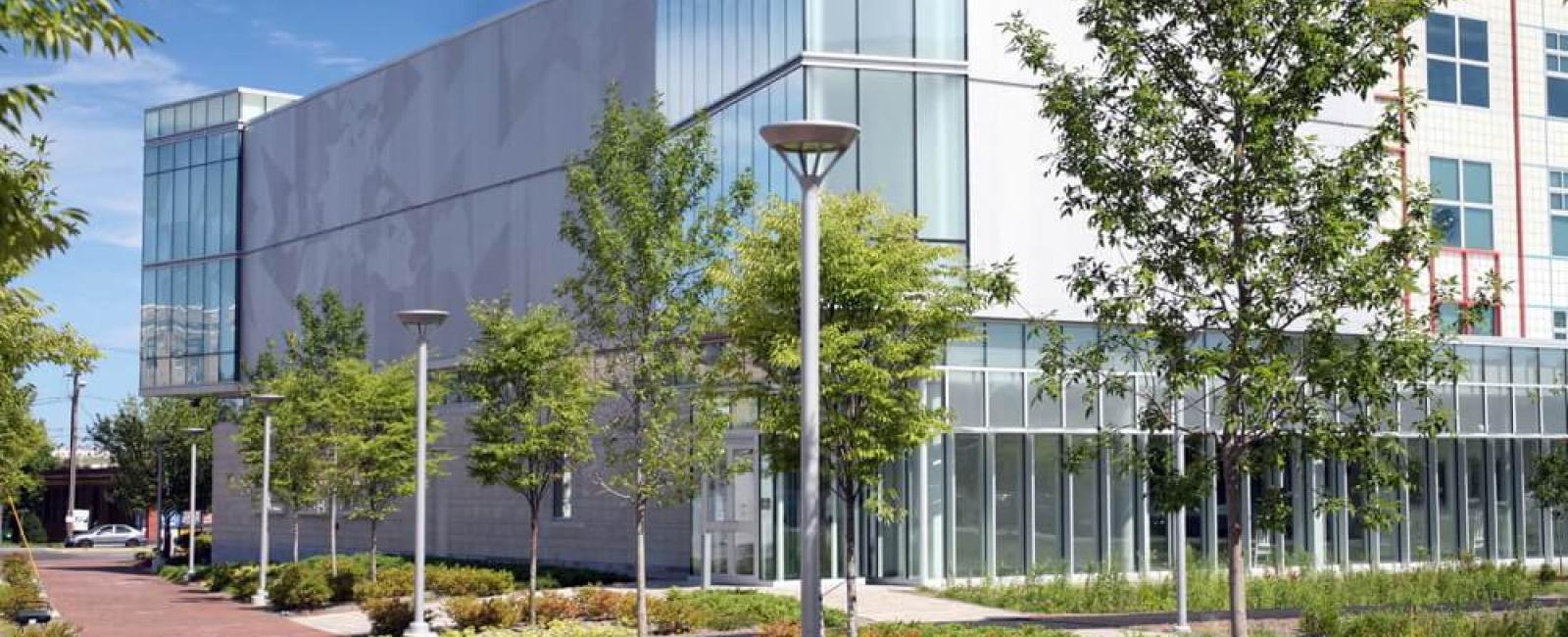
Exterior of OML. Photo: Osher Map Library & Smith Center for Cartographic Education
Where in Maine can you go to lay your eyes on a colorful and incredibly detailed map of Palestine from 1475, a cyclist’s road map of Maine from 1895, and a 1792 globe illustrating celestial constellations, the Globo Celeste by Giovanni Maria Cassini?
The Osher Map Library and Smith Center for Cartographic Education (OML) – the second largest collection of maps and globes in the United States (second only to the Library of Congress).
Mission: Founded in the spirit of lifelong learning and a deep commitment to our communities, the Osher Map Library and Smith Center for Cartographic Education at the University of Southern Maine enables free public access to and engagement with five centuries of cartographic materials via University, K-12, and public educational outreach; the preservation and digitization of our collections; gallery exhibitions; research and scholarship; and public programming that collectively promotes the continued relevance of maps and mapping as tools to help patrons understand the past and the present, and to imagine the future.
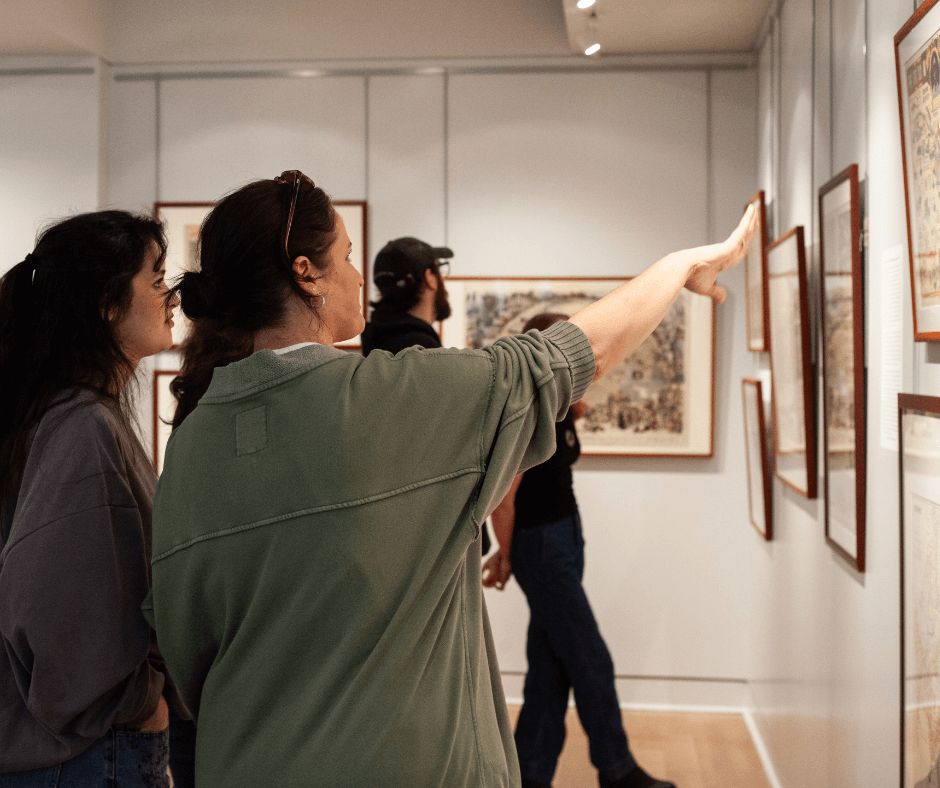
You’ll find the collection at the University of Southern Maine, where it grew out of gifts from Eleanor Houston Smith, and later Dr. Harold and Peggy Osher, established the initial institutional collection. OML opened its doors to the public on October 16, 1994. The inaugural exhibition, Treasures of the Collection, showcased globes, atlases, maps, and scientific instruments. Today, the collection has grown to over half a million rare cartographic items and ephemera and required expanded facilities, including additional vault space and a multi-use educational space, so that we can all enjoy classes, public lectures, and conferences.
OML is part of the Albert Brenner Glickman Family Library campus, open to all of us for research as well as regular public gallery exhibitions. If you’re not able to visit in person, many items in the collection, along with their exhibits, have been digitized and can be viewed on their website.