Maine's Historic Diners
Historic photo of Moody's Diner. Photo: Moody's Diner.
Maine's historic diners preserve a tradition built around food, craftsmanship, and community. More than places to enjoy a meal, these familiar landmarks reflect the changing ways people traveled, worked, and gathered throughout the twentieth century. Their compact designs, distinctive interiors, and enduring popularity make them important examples of Maine's cultural landscape.
The classic American diner developed from lunch wagons and early prefabricated restaurants that became popular in the late nineteenth and early twentieth centuries. Manufacturers created complete diner buildings that could be transported to a location and installed as neighborhood restaurants, roadside stops, and gathering places. Many diner designs borrowed the appearance and efficiency of railroad passenger cars, with long narrow forms, counters, and streamlined details, but they were built specifically for serving food rather than for use on railroad tracks.
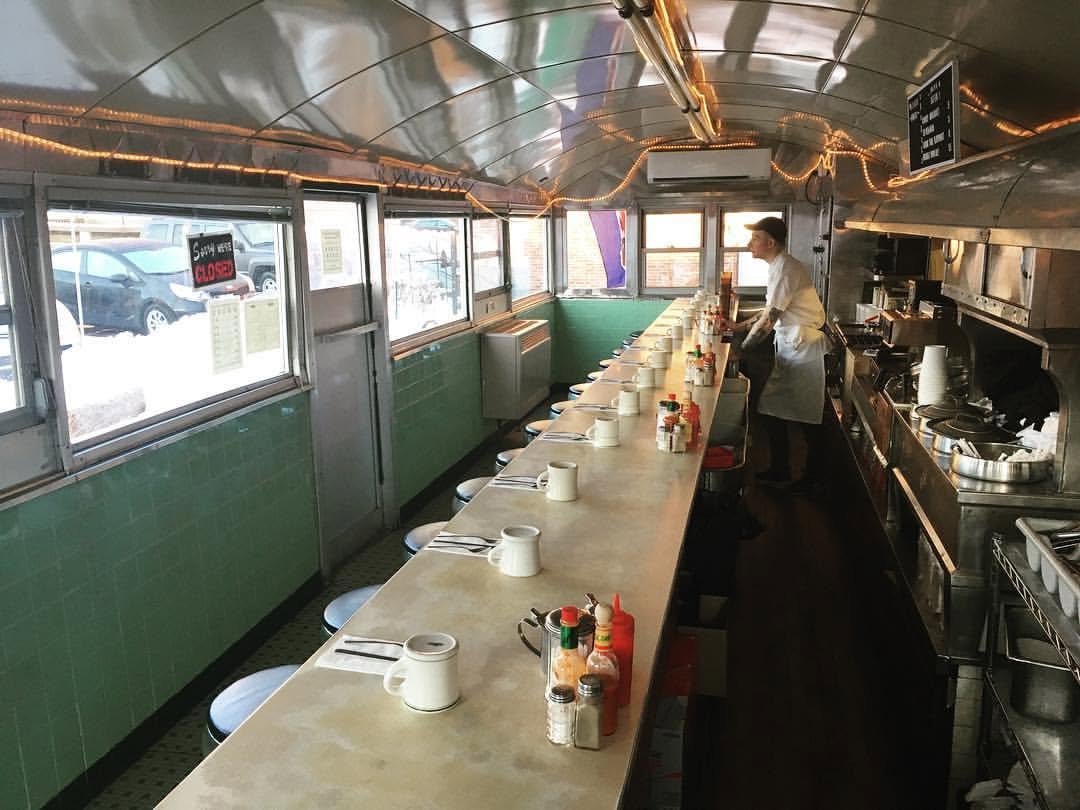
Maine is home to several historic diners that represent this important chapter in American design. The Brunswick Diner, originally opened in Norway before moving to Brunswick in 1946, is a surviving example of a Worcester Lunch Car Company diner. Its compact form and carefully crafted details reflect the skill of one of New England's most influential diner manufacturers.
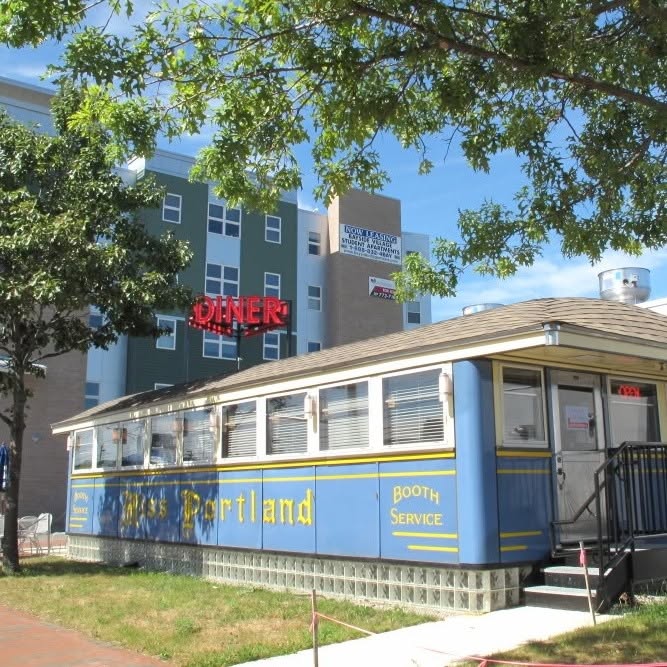
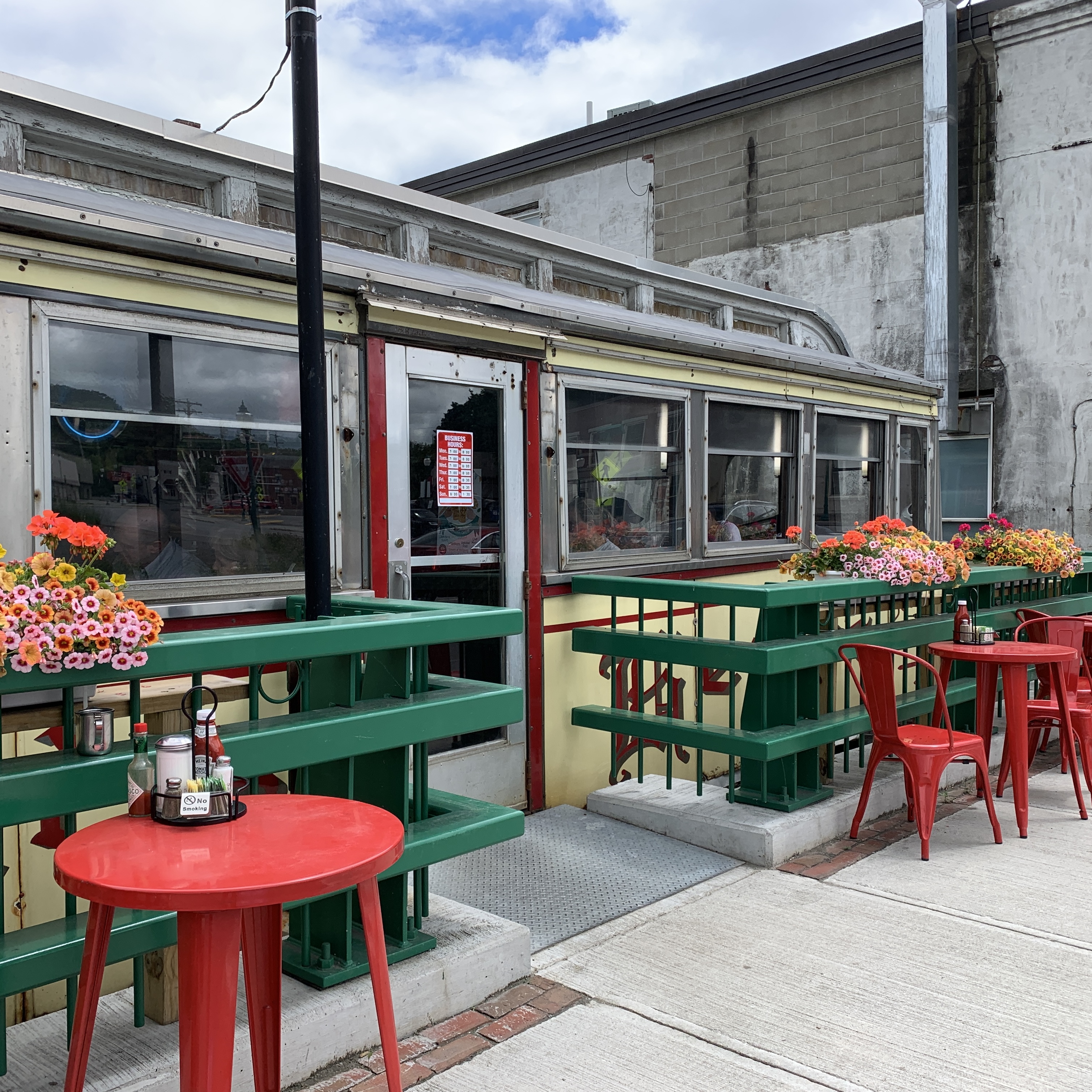
The Palace Diner in Biddeford, built in 1927 by the Pollard Company of Lowell, Massachusetts, is one of the state's oldest surviving diners and a rare example of early diner construction. Its preserved interior and distinctive design provide a connection to the first generations of manufactured diners. The Miss Portland Diner, built in 1949 by the Worcester Lunch Car Company, represents a later era of diner craftsmanship, with its porcelain exterior, detailed interior, and classic mid twentieth century design.
Together, these diners preserve more than historic buildings. They preserve memories of meals shared, conversations held, and communities connected across generations. Through continued preservation and use, Maine's historic diners remain living examples of craftsmanship, hospitality, and everyday history.