Maine Logging
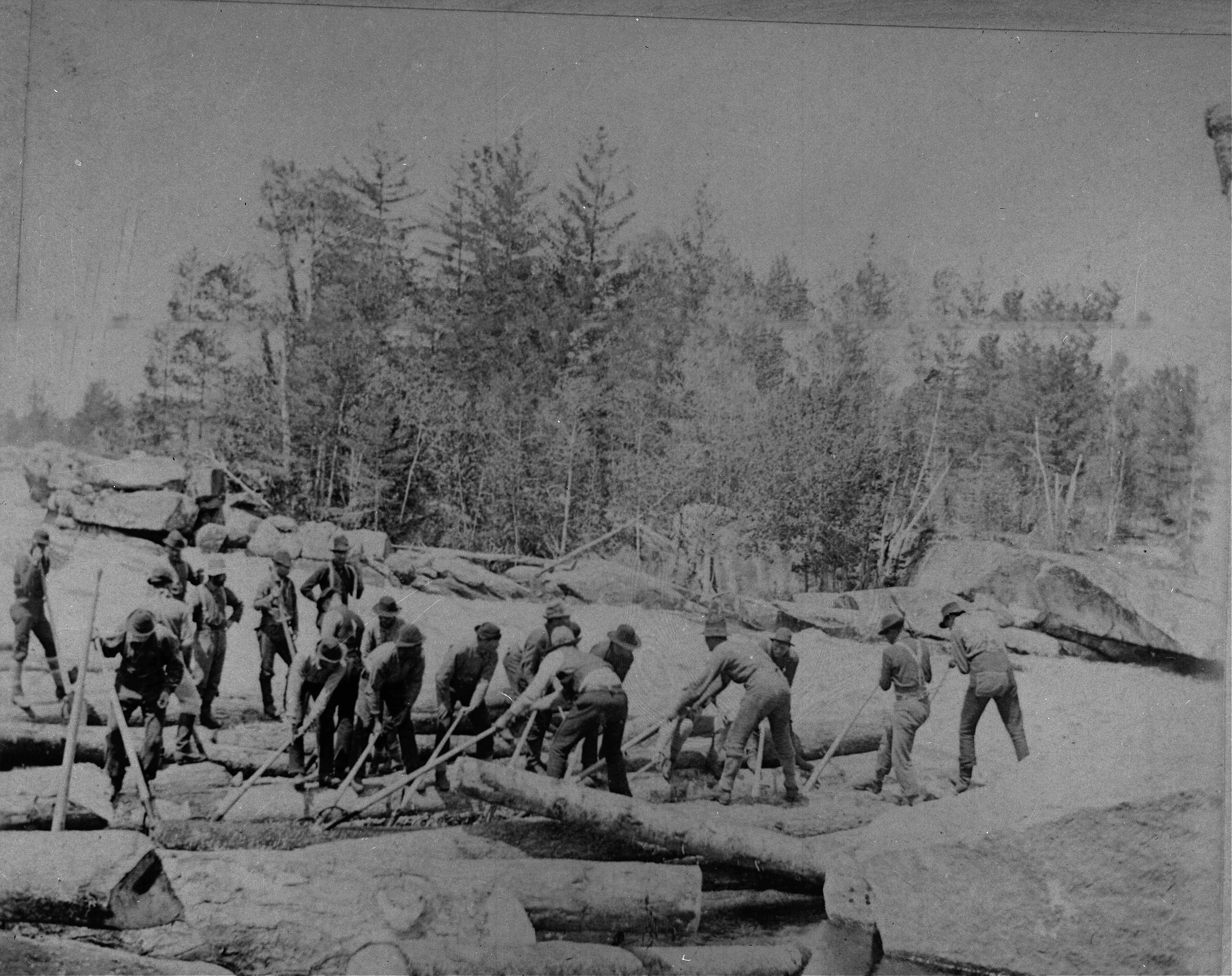
Massive log jam at Pishon's Ferry, Skowhegan, ca. 1870. Photo: Collections of Skowhegan History House.
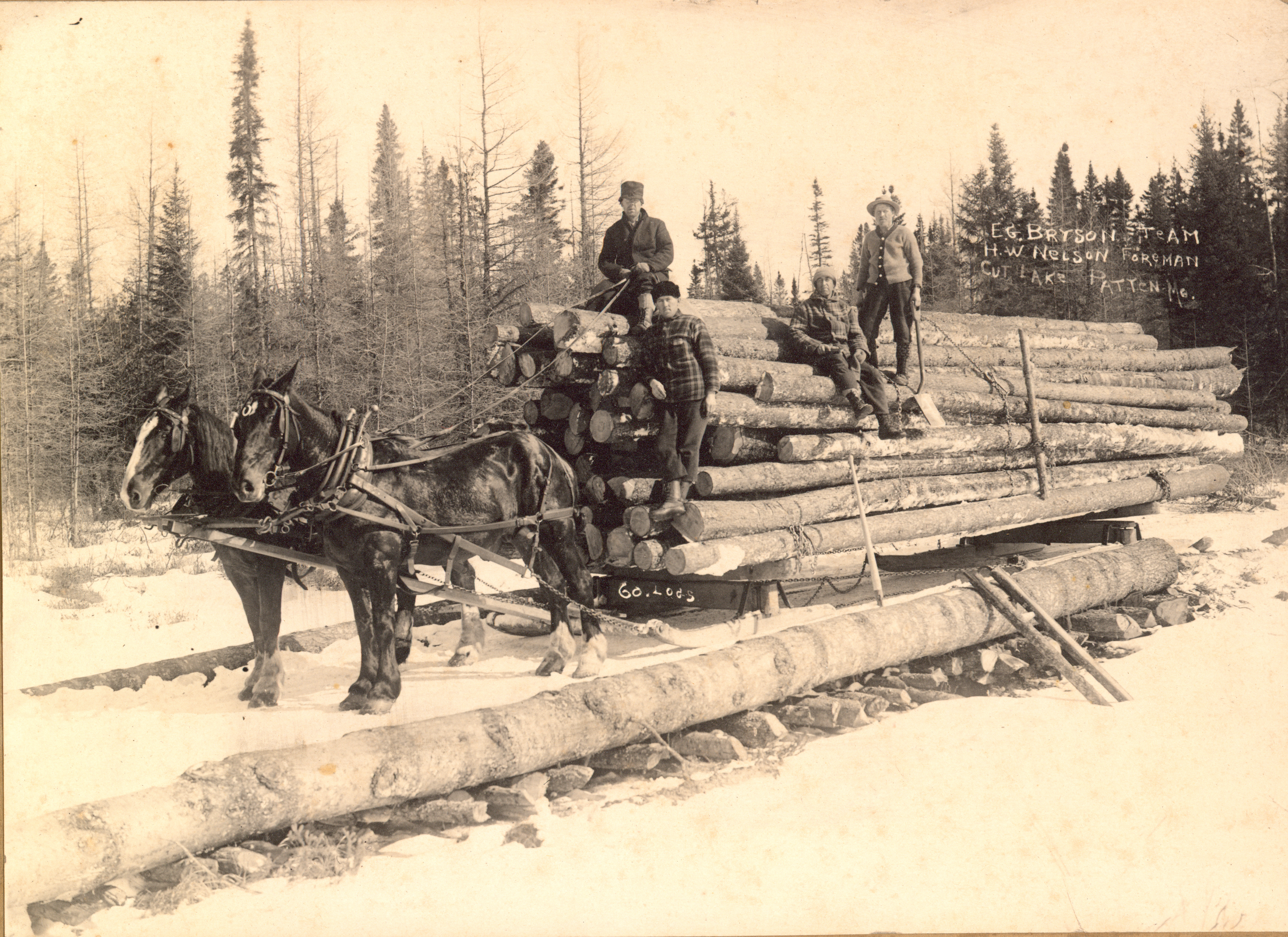
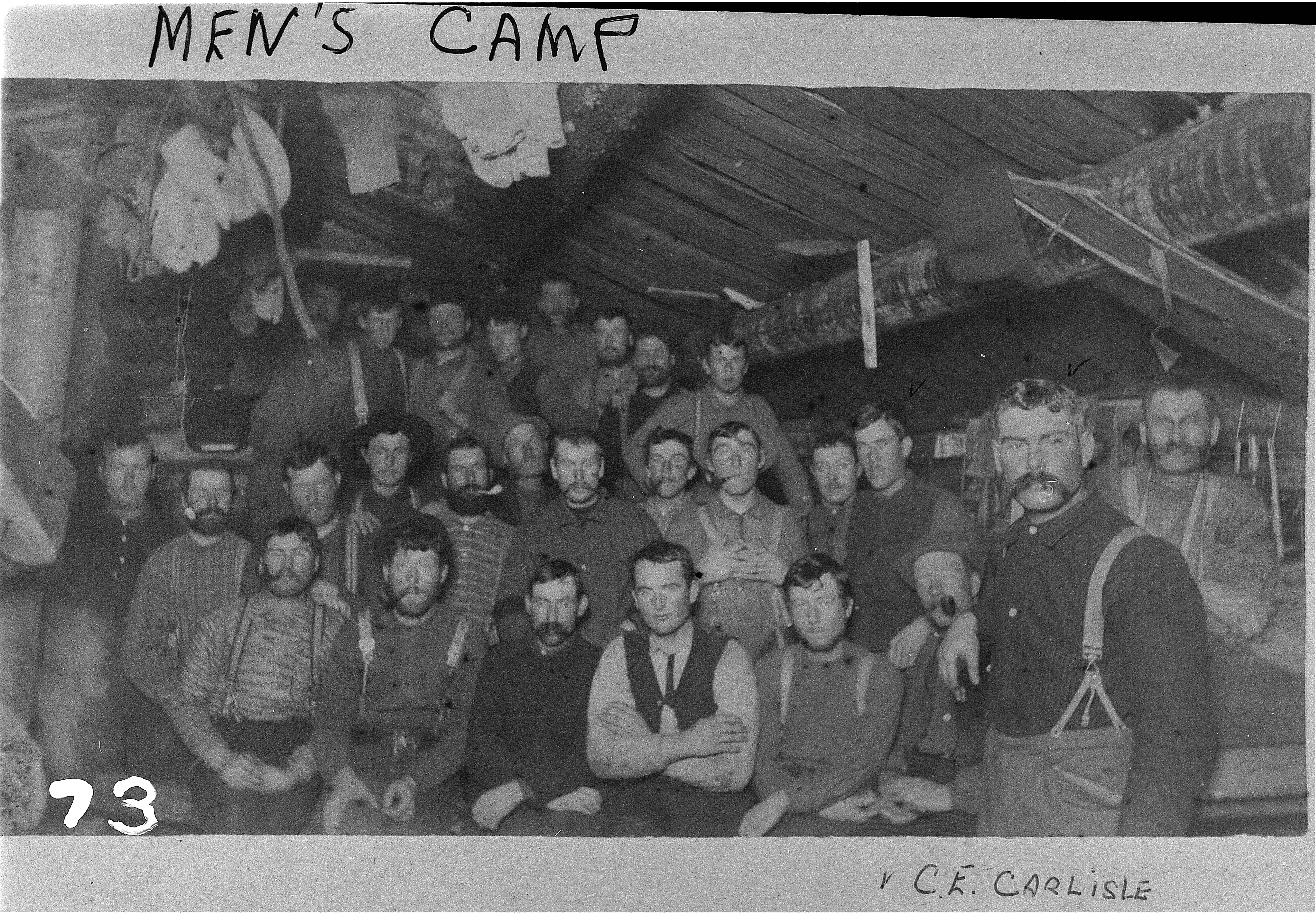
Maine's enormous supply of trees fueled its leading industry and proved its most valuable natural resource. Lumber was necessary for shipbuilding, building construction, and the barrels and boxes in which most merchandise was transported until the 1900s. One key to Maine's early lumbering success was the expansive and interconnected lakes, streams, and rivers rushing to the Atlantic. Floating logs down-river to mills and onto ships for delivery was significantly cheaper than transporting them overland, giving Maine an economic edge.
After the Civil War, railroads dominated transportation. This drove western expansion, lowered the demand for wooden ships, and increased the cost of shipping lumber from Maine. As the American population center moved west, so did the demand for lumber. Midwestern and Western tree stands drew many experienced Maine loggers seeking better wages and new opportunities.
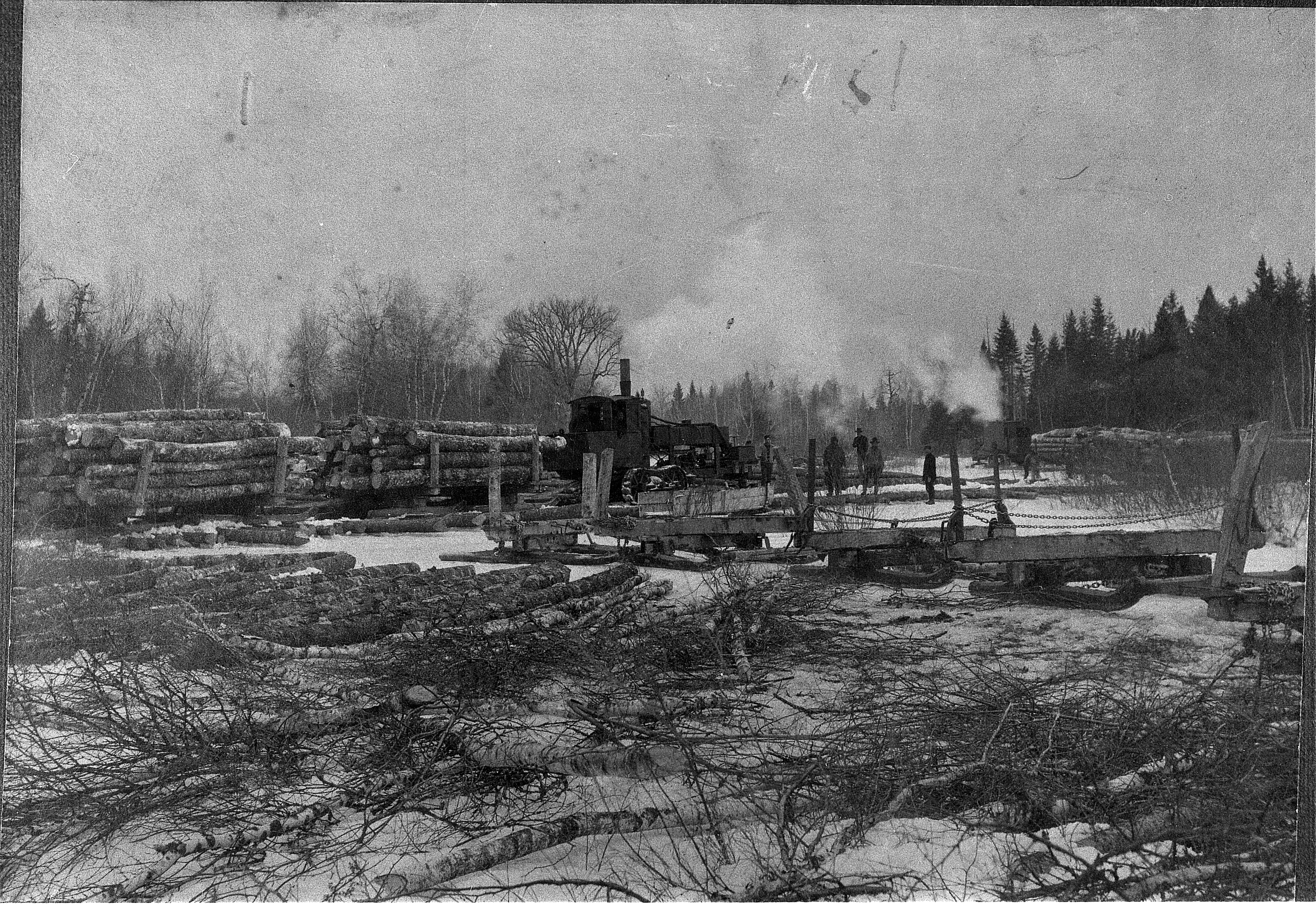
To compete with western markets, Maine's lumber industry diversified its products. Turning from board lumber for construction, lumbermen processed wood to meet growing demands for paper. By the 1890s, much of Maine's lumber went to pulp and paper mills. Maine reached its peak lumbering years between 1890 and 1910 as advancing technology such as mechanized log haulers and gas-powered chain saws enabled loggers to harvest more trees deeper into the Maine woods.
While still competing with international and western markets, throughout the 20th century, the lumber industry rose and fell with the economy. For example, the Depression era housing slump contributed to a decline in Maine's lumber production, but it bounced back in the post-war building boom. From the 1960s on, the industry saw a steady improvement, but with pressures from western markets and overharvesting key species, Maine's national share of lumber production remained in a low range of 1% to 2 % in the 20th century. Since the late 1990s, there has been a wholesale change in the ownership of Maine's forestlands. Forest products companies that once owned both forests and mills have virtually disappeared. The forest products industry, which once owned 60% of Maine's North Woods, now owns just 15%.
With strong conservation policies in place, the logging industry remains steady today. Although there have been declines in some lumbering sectors, diversification has kept the industry afloat. The state supplies such products as paper, paperboard, corrugated box manufacturing, lumber, millwork, and plywood among other more technical companies. Wood product manufacturing was the state's largest lumbering subsector in 2022.