Lobster Industry
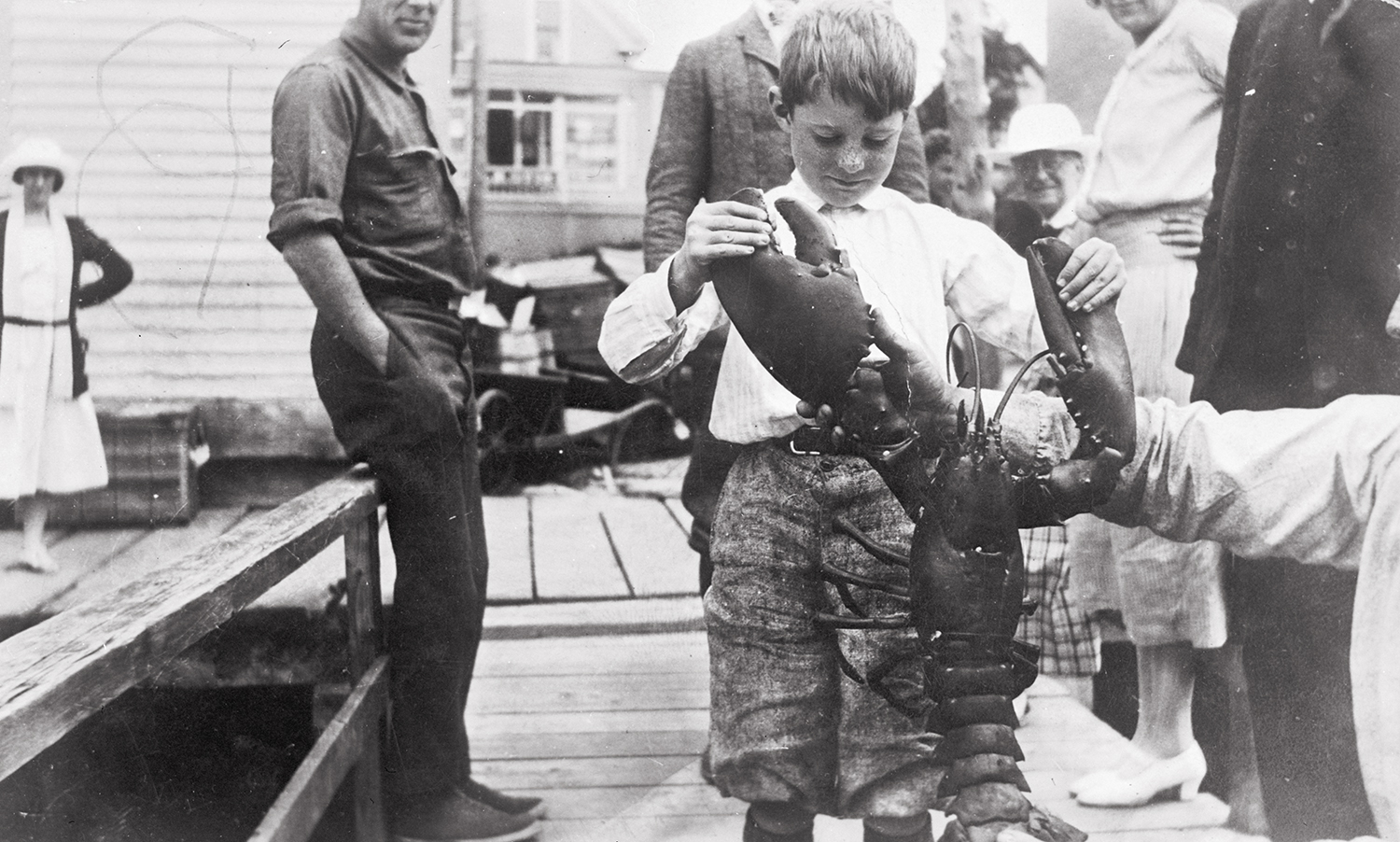
Photo: Collections of Jesup Memorial Library
In an account written of a 1605 English expedition to what is now Maine, a member of the crew described the ease of fishing for lobster, remarking that he made note of this not because the lobster tasted great, but because the crustacean’s abundance showed how much potential profit could be made from fishing them.
It would be more than two centuries before European settlers turned lobster fishing into a driving economic force for the state. Until the mid-1800s, lobsters were used by both the Wabanaki and European settlers as fish bait and fertilizer. Among European settlers, they were considered “poverty food.”
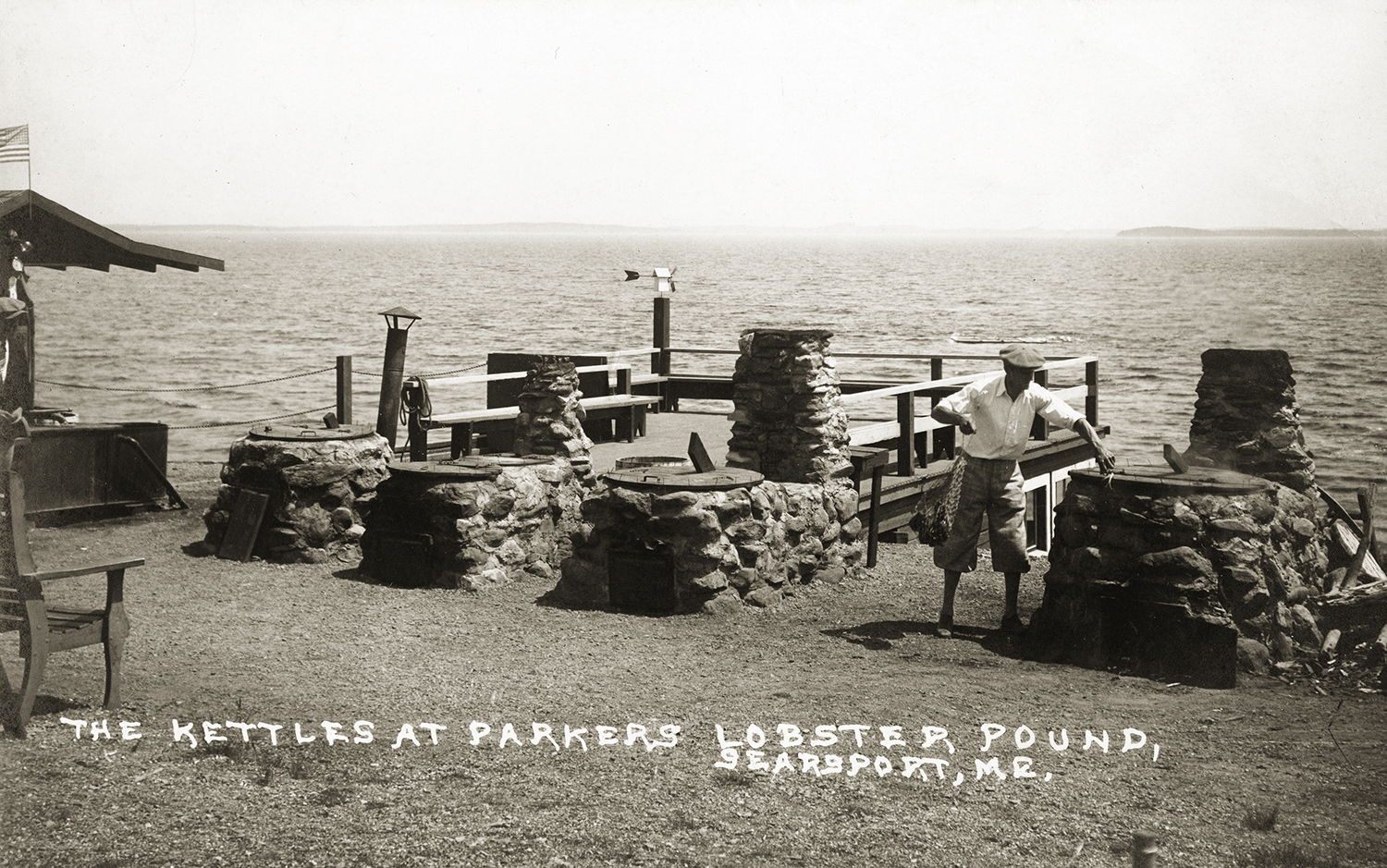
It was Maine’s booming canning industry and the influx of wealthy out-of-state vacationers and summer residents who ate lobster while visiting and wanted it on their dinner table and at their favorite fine dining restaurants that transformed lobster into a food-fad that continues to this day.
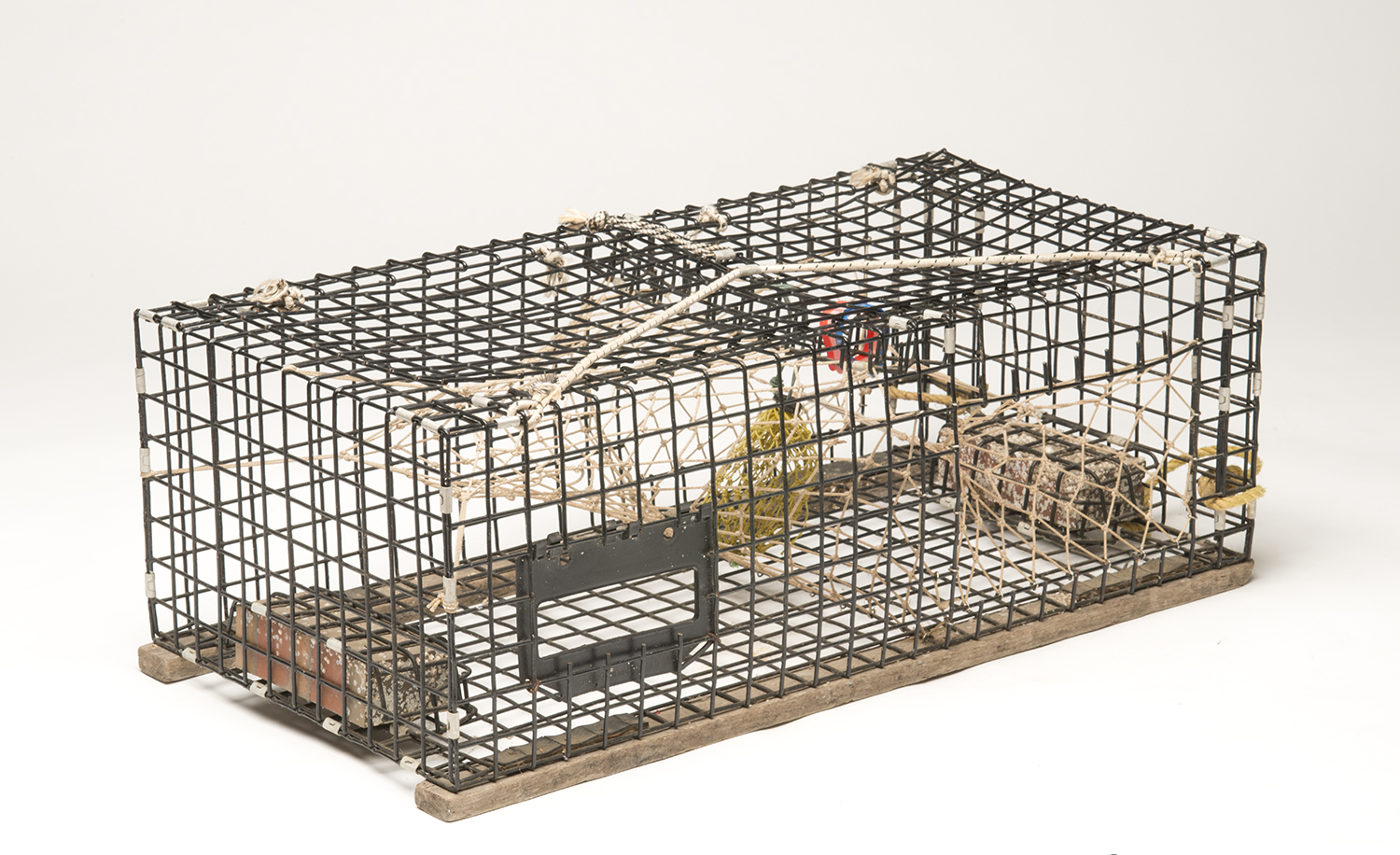
As the sardine canning industry collapsed and many traditional groundfish fisheries declined, the lobster industry grew, becoming the state’s most valuable fishery by the 21st century. The fishery’s long-term sustainability relies on management measures such as protections for egg-bearing females and requirements that undersized and oversized lobsters be returned to the sea.
After reaching record levels in the 2010s, the fishery has faced new challenges, including climate changes affecting the lobsters’ cold water habitat. As scientists and lobster fishers work to understand the effects of warming waters in the Gulf of Maine, they are exploring new technologies and management approaches to help the fishery adapt to changing conditions and maintain the economic and cultural roles lobster play in Maine.
Author: Stephanie Bouchard