Langlais Art Preserve
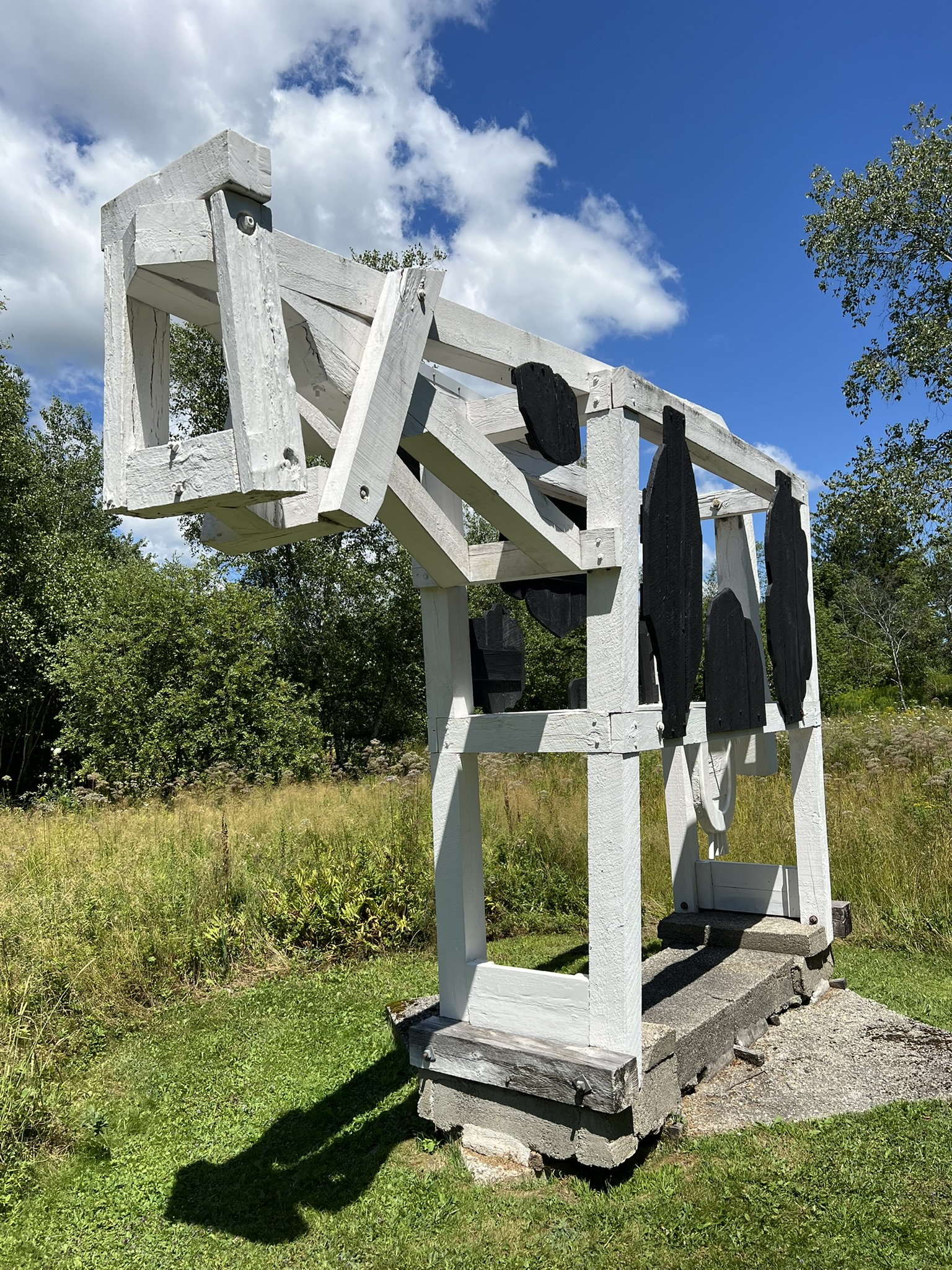
Elephant, 1977. Photo: Sarah Hansen.
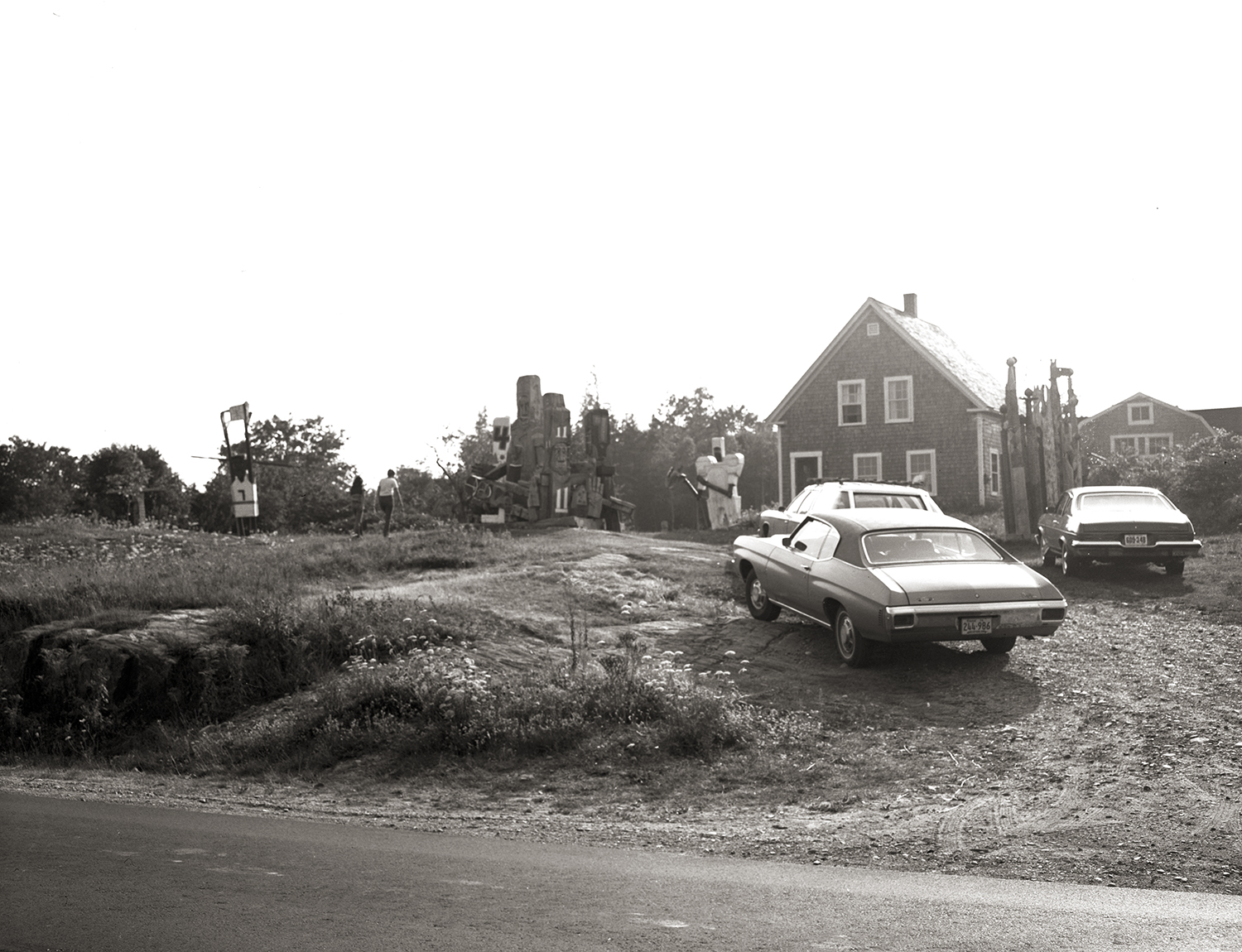
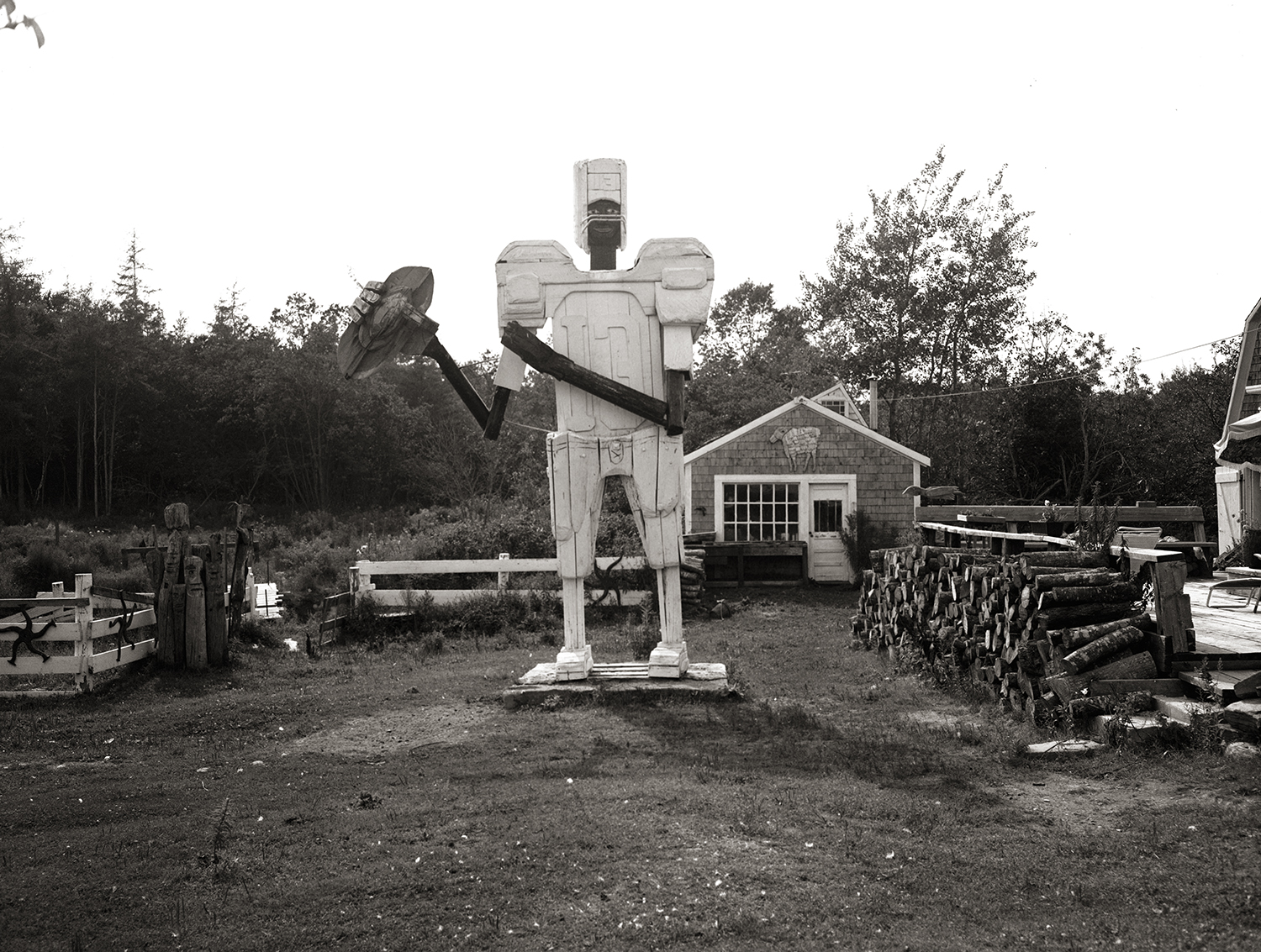
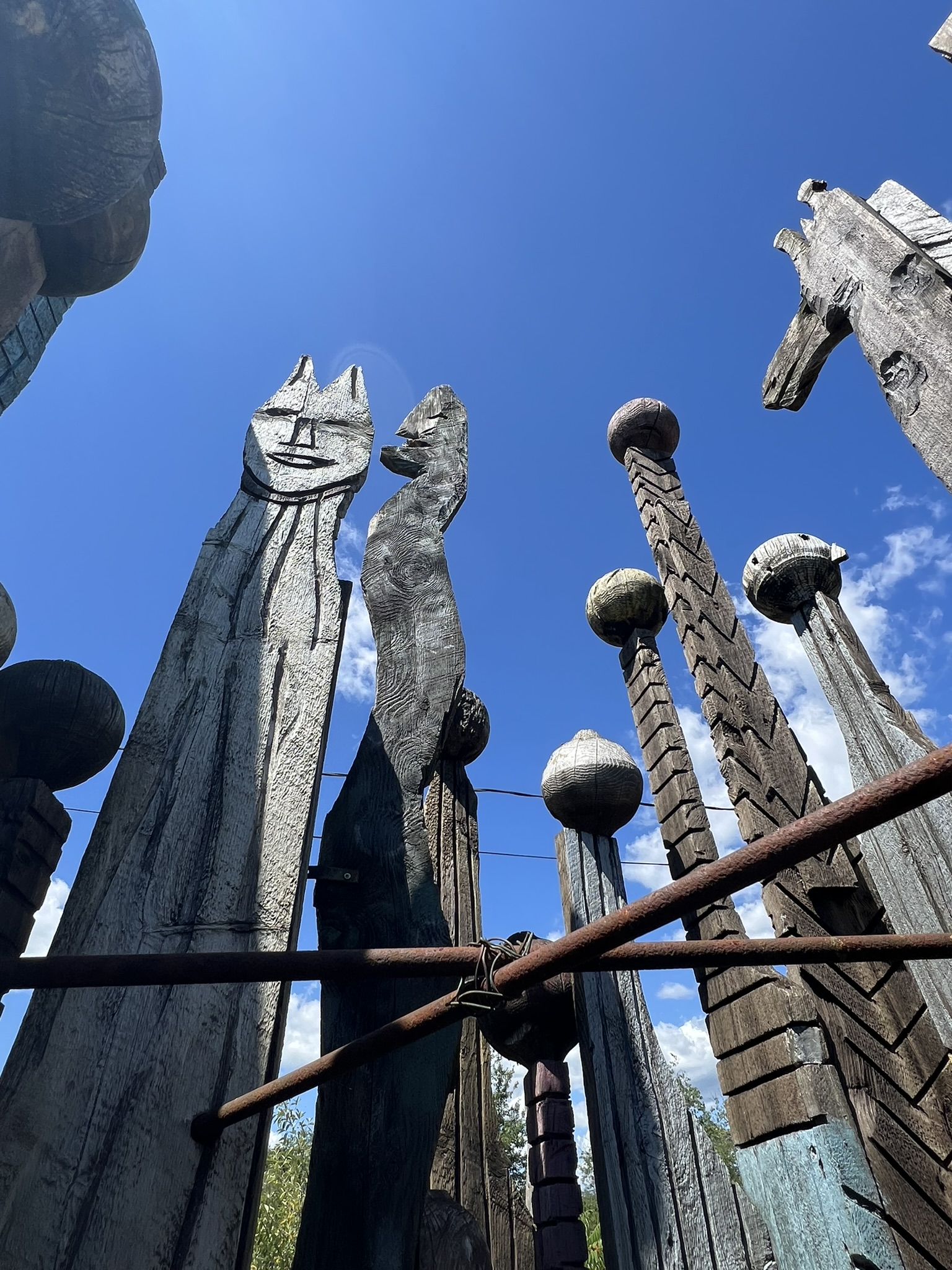
The Langlais Art Preserve in Cushing offers visitors a rare opportunity to experience the work of Maine sculptor Bernard Langlais in the landscape where it was created. Set at the artist's former home and studio property, the ninety-acre preserve combines art, history, and nature, allowing visitors to encounter monumental wooden sculptures among fields, ponds, and forest. More than a dozen large outdoor works remain in their original setting, preserving the character of the environment Langlais developed during the final years of his life.
Born in Old Town in 1921, Bernard Langlais studied at the Corcoran School of Art before earning scholarships to the Skowhegan School of Painting and Sculpture and the Brooklyn Museum School in New York. His time at Skowhegan proved pivotal, convincing him to pursue fine art rather than commercial art. In 1966, he returned to Maine and settled permanently in Cushing, where he transformed the surrounding landscape with more than one hundred large sculptures inspired by animals, people, and rural life. Working primarily with wood, Langlais created expressive forms that reflected both his artistic vision and his deep connection to Maine's forests and communities.
Following the death of Langlais's widow, Helen Friend Langlais, in 2010, the property and the artist's estate were bequeathed to the Colby College Museum of Art. Through a partnership with the Kohler Foundation and the Georges River Land Trust, the outdoor sculptures were conserved, and the preserve opened to the public in 2017. Today, the Georges River Land Trust stewards the property, while the Colby College Museum of Art continues to care for the Bernard Langlais Collection and support the artist's legacy.
The Langlais Art Preserve demonstrates how art and landscape can become inseparable. By preserving the sculptures where they were created, the site allows visitors to experience Langlais's work in the setting that inspired it, ensuring that one of Maine's most distinctive artistic environments remains accessible for education, research, and public enjoyment.