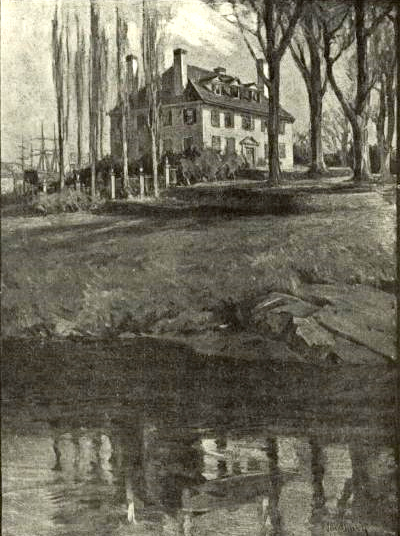
Jonathan Hamilton House
Photo: Maine Historic Preservation Commission
Jonathan Hamilon’s life in present-day Berwick began humbly as a trader in salt fish in the 1760s, but he soon amassed a fortune through privateering during the Revolutionary War. He owned forests, bought mills, and then expanded his business into shipbuilding with a shipyard at Salmon Falls River. His export business included lumber, fish, beef, and farm products while he imported vast amounts of tea, sugar, coffee, molasses, and rum. Hamilton purchased sugar plantations on the island of Tobago in the West Indies, based on enslaved labor. He is believed to have participated in the slave trade.
Hamilton House was constructed in 1788 and today remains an outstanding example of the Georgian style in Maine. Years after Hamilton’s death in 1802, the house stood vacant until 1839 when it was purchased by the Goodwin family, who made it a family farm. As agriculture declined in Maine, the Goodwins were unable to maintain the property and eventually went up for sale. Author Sarah Orne Jewett had become enamored with the decaying house and, concerned it would be demolished if it fell into the wrong hands, convinced her friend Emily Tyson and her step-daughter Elise to buy it. The Tysons made some changes to the home and created the stunning Colonial Revival gardens visitors see today.
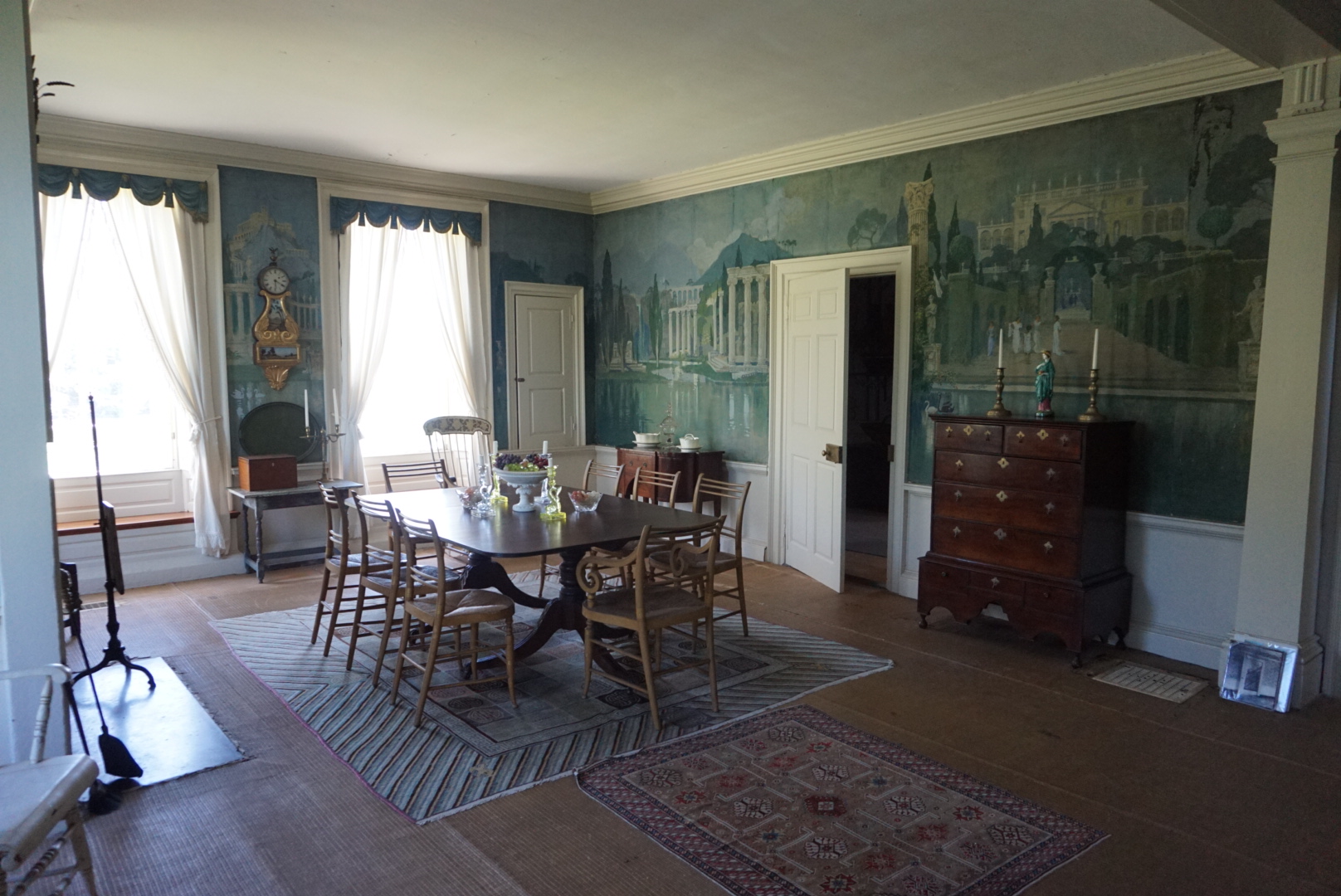
Today the home, a National Historic Landmark, is owned and maintained by Historic New England, having been gifted to the organization in 1949 after the death of Elise Tyson Vaughan. Visitors today experience the house in a form more closely reflecting the Hamilton era, but restoration of the gardens continues to this day.