Immigration
Quarantine Station, House Island, Portland. Photo: National Archives.
Since European colonists arrived on the shores of the Wabanaki homeland, immigrants have shaped Maine. English shipbuilders transformed towering white pines into vessels that carried Maine’s timber, fish, and trade across the Atlantic. An Italian baker in Portland filled a long roll with ham, cheese, vegetables, and oil, creating the Maine Italian. French Canadian families built churches and vibrant neighborhoods around textile mills that clothed the country. Today, immigrants and refugees are opening restaurants and markets and starting farms.
But the story of immigration in Maine isn’t just about the industries immigrants helped build or the foods, traditions, and festivals that have enriched the state’s culture. The arrival of European colonists brought diseases that devastated Wabanaki communities and centuries of conflict over land and sovereignty. Some Black people were brought here not by choice, but in bondage. State laws targeted immigrants through language bans and by requiring literacy tests for voting. Many immigrants and their descendants have been bullied, ridiculed, and terrorized.
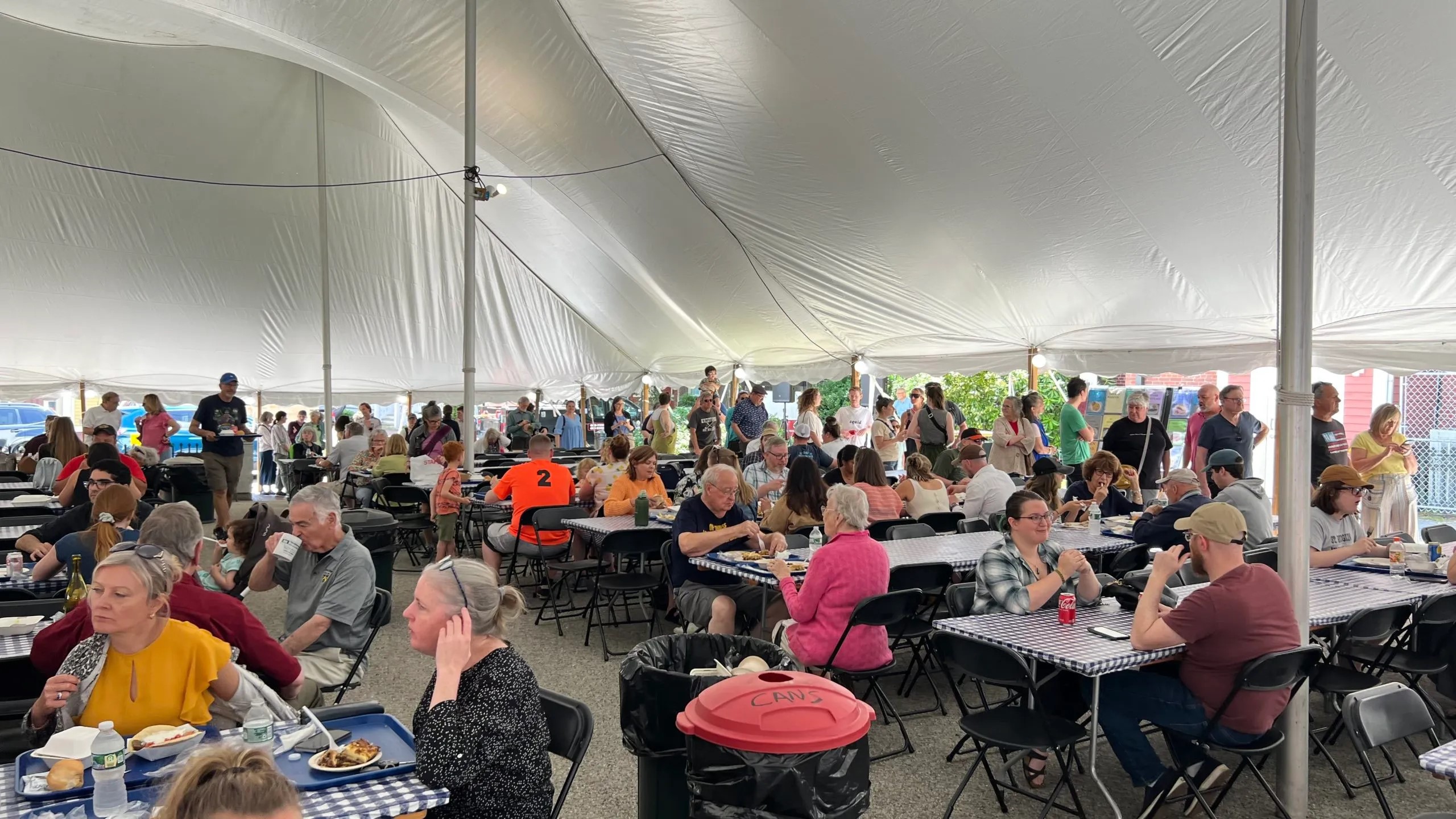
These realities are a part of Maine’s story, but new chapters are added every day. On soccer fields in Lewiston, students whose parents came from Somalia play soccer with kids whose ancestors came from Canada. An immigrant from Peru is named Bath’s Citizen of the Year. And thousands line up in Portland every year to dance to Greek music and eat gyros, spanakopita, and baklava.
Author: Stephanie Bouchard