General Henry Knox
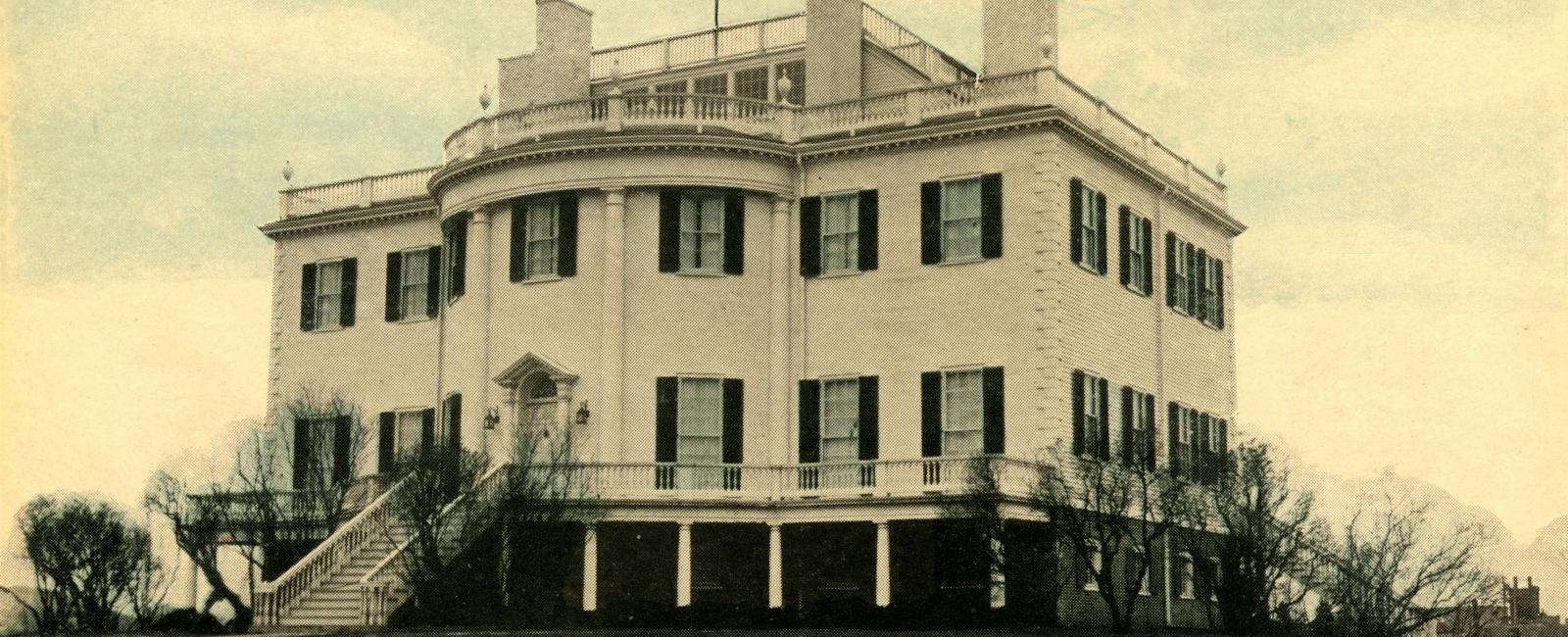
Montpelier Mansion in Thomaston, c. 1940. Photo: National Archives.
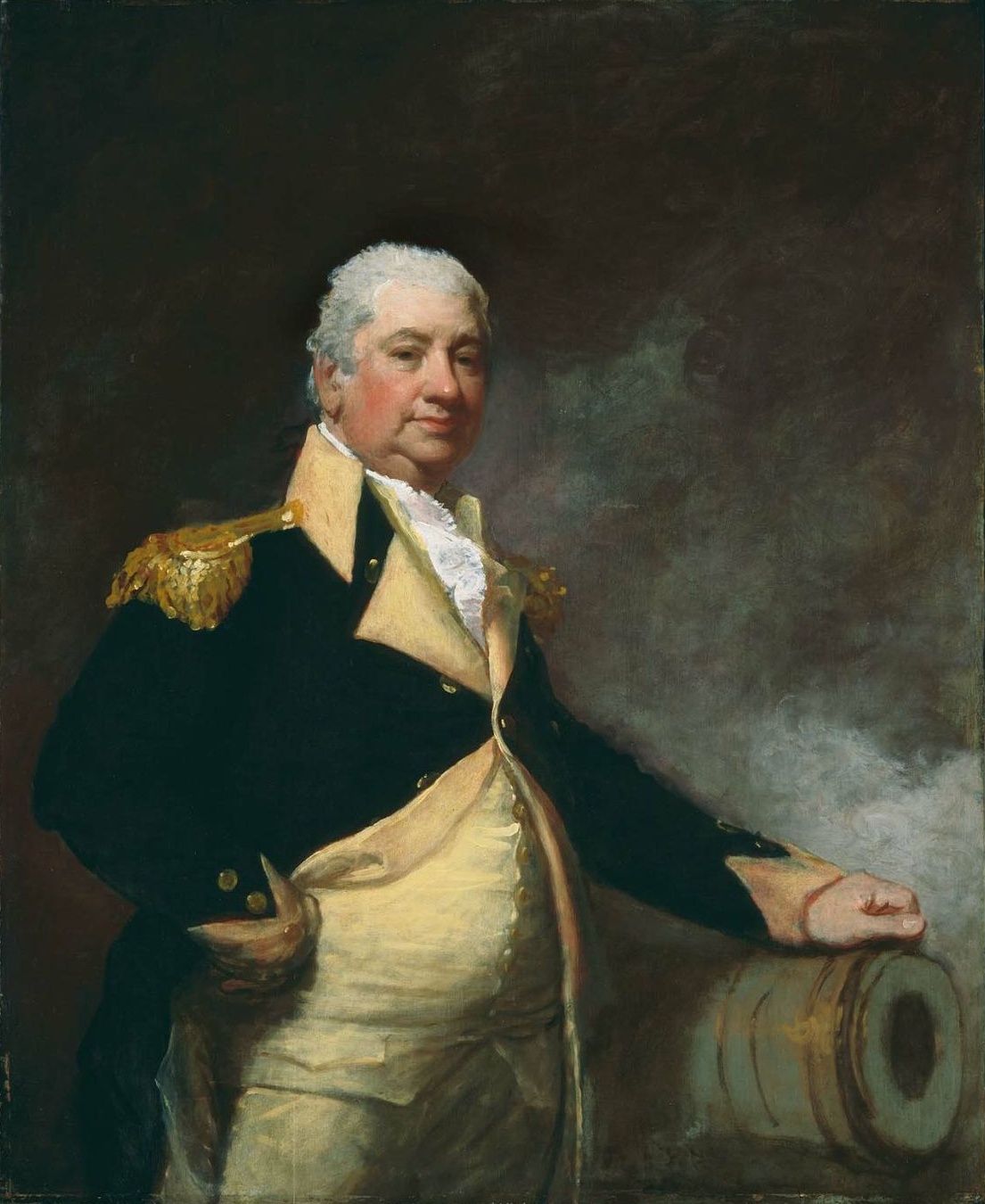
General Henry Knox (1750-1806) served in the Continental Army in the American Revolutionary War and became a powerful landowner in Maine. He served as the chief artillery officer in George Washington's campaigns and later was a member of Washington's presidential cabinet as the Secretary of War. His celebrated war service and a fortunate marriage made him one of America's wealthy elites, a position that he was determined to protect.
His young life was difficult. When he was nine years old, he went to work at a Boston bookbinding shop to help support his mother and brother. In 1774, Knox married Lucy Flucker, a wealthy granddaughter of Samuel Waldowhose, heirs controlled the Waldo Patent, over half a million acres in mid-coast Maine.
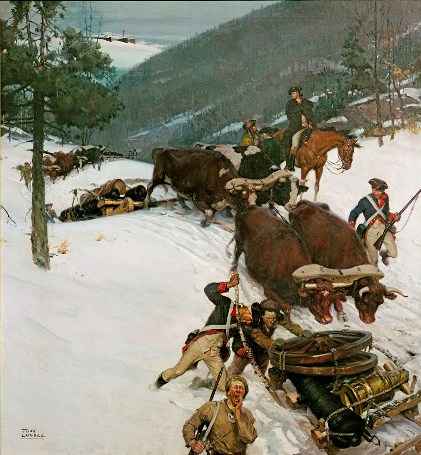
During the winter of 1775, Knox arrived at Fort Ticonderoga to secure 60 tons of cannon and other heavy artillery that had been captured. Over the next three long months, by boat, ox-drawn sledges, horse, and raw manpower, the 'noble train of artillery' traveled over 300 miles across the Berkshire Mountains and Hudson River to the Continental Army camp outside Boston. This amazing feat is now known as the Knox Expedition, and you can trace its route along the Henry Knox Trail.
After the war, Knox turned his attention to his vast Maine lands; his wife's family were Loyalists who lost much of their land when they escaped to England during the war, and Knox wanted to regain his wife's lands from the Waldo patent.
Unfortunately for him, many settlers, including Revolutionary War veterans, had moved onto the land and established farms. He used the legal system against farmers who had petitioned him for leniency or compromise in making financial arrangements to purchase for themselves the land they had been farming.
In addition to his land holdings, he owned saw and grist mills, lime quarries, brickworks, and fisheries. His ships carried timber to the sugar plantations in the West Indies, as well as products to the American South. Knox helped finance the building of roads, canals, and a church. He exerted great influence in the area, as many people worked for him. With all his business activity, Knox over-extended his resources and was almost bankrupt at the time of his sudden death in 1806.
Henry Knox modeled the luxurious lifestyle of an English country nobleman by building one of the grandest homes north of Philadelphia. His hulking new manor sat in a region where log cabins were the most common dwellings. The house originally stood on the banks of the Georges River, but it was razed in 1871.
The current building, an exact replica of the original house, was built in 1930-31 on a nearby hill. Numerous original Knox artifacts are housed in the Museum, including his bed, military artifacts, a men’s travel case given to Knox by Marquis de Lafayette and documents and letters from George Washington. Approximately 70% of the items on display were owned by the Knox family.
The Museum is open seasonally from May to October, offering tours and hosting events.