Arnold Expedition
Penobscot Marine Museum
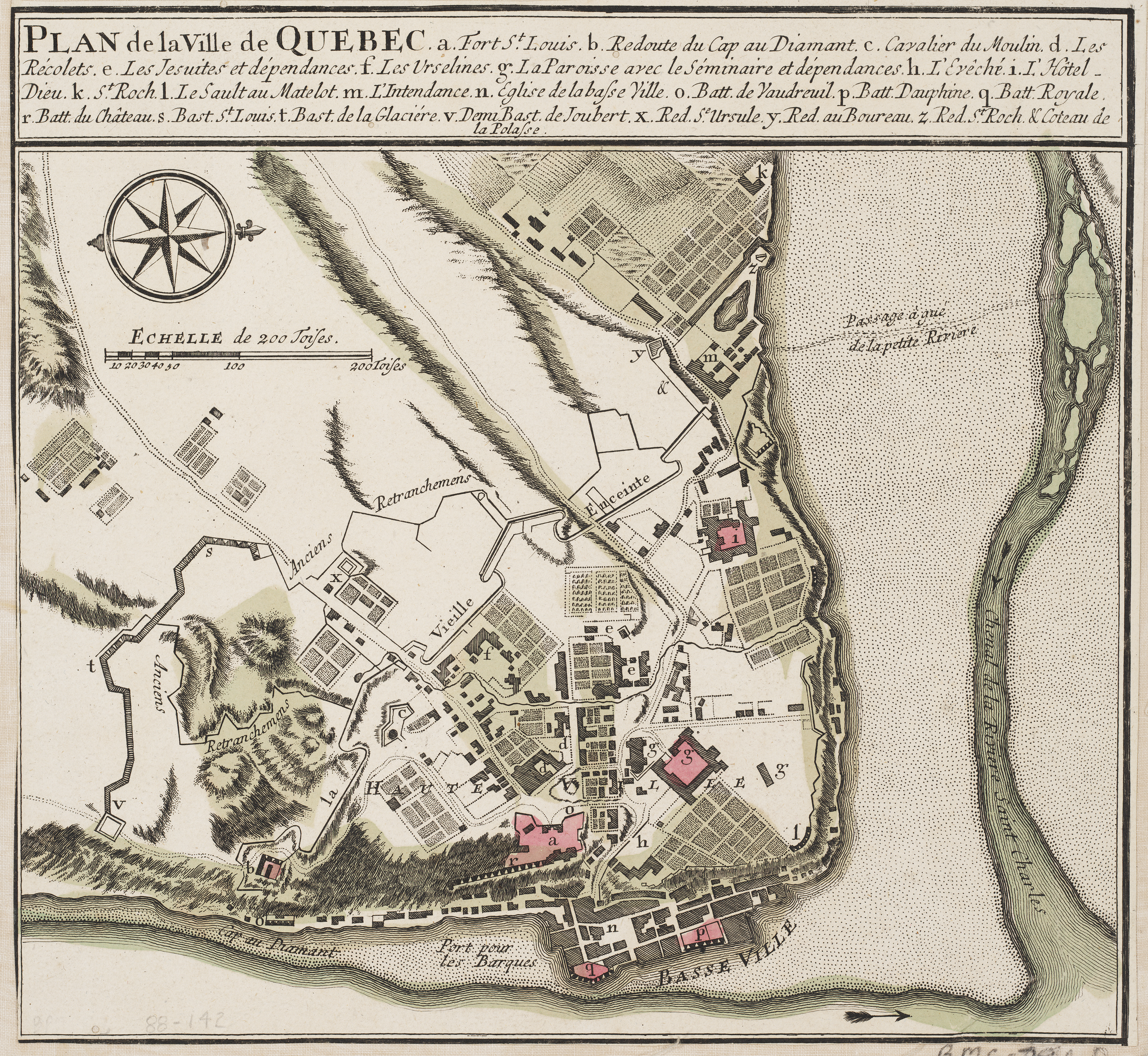
In 1775, George Washington gave Benedict Arnold the go-ahead to sneak into Canada via the Kennebec and Dead Rivers and raw Maine wilderness to capture Quebec from the British. Arnold is known as a traitor today, but during most of the war, he was considered a hero—thanks in part to what is now referred to as the Arnold Expedition.
In September 1775, Arnold and a group of 1,100 men (and a couple of women) began their journey to Quebec from Reuben Colburn’s shipyard in present-day Pittston thinking it would take about three weeks to get there. But it took more than double that. The route they attempted to follow traced long-established Wabanaki travel corridors, but reliance on an inaccurate map led to significant challenges. Along the way, they had to clear brush and trees to create paths for themselves and their equipment, they navigated through swamps and whitewater rapids and traversed a 1,000-foot-high portage; their boats capsized, they endured floods and blizzards, and experienced severe illness, injury, and starvation; and many died.
In the end, Arnold and what remained of his crew were not successful in capturing Quebec. At the time, However, that first major military campaign of the Revolution was seen as a significant failure, but views have changed over the centuries, with historians now noting that Arnold’s Quebec “failure” did makde the victory at Saratoga possible, and if it weren’t for Saratoga, there’d likely be no United States of Americawhich created the conditions for winning the war.
Today, following the entire route of the Arnold Expedition exactly is not possible but there are many parts of the route still accessible for people to canoe/kayak, hike, and camp. Some of the route overlaps with the Appalachian Trail. The 12-mile Arnold Trail, maintained by the Arnold Expedition Historical Society, is the most accessible and commonly used section of the route today. Even with modern tools, the route is still challenging, in part because the landscape has remained much the same.
Author: Stephanie Bouchard