Acadian Village
National Park Service
In Nova Scotia in 1755, French settlers of the colony of Acadia were summoned to their local churches by order of the British governor. The church doors were locked and the Acadians trapped inside learned they were being deported and their property was forfeited for refusing to pledge allegiance to the Crown. The Acadians were escorted to ships by men with bayonets and were sent as far away as Louisiana and Bermuda.
But small numbers of Acadians managed to evade deportation and eventually resettled within the traditional territory of the Maliseet people in the St. John River Valley, forming a community whose language, culture, and identity continue to shape northern Maine. In 1973, a nonprofit historical society formed to foster, promote, and preserve the area’s Acadian culture. The result: the Acadian Village.
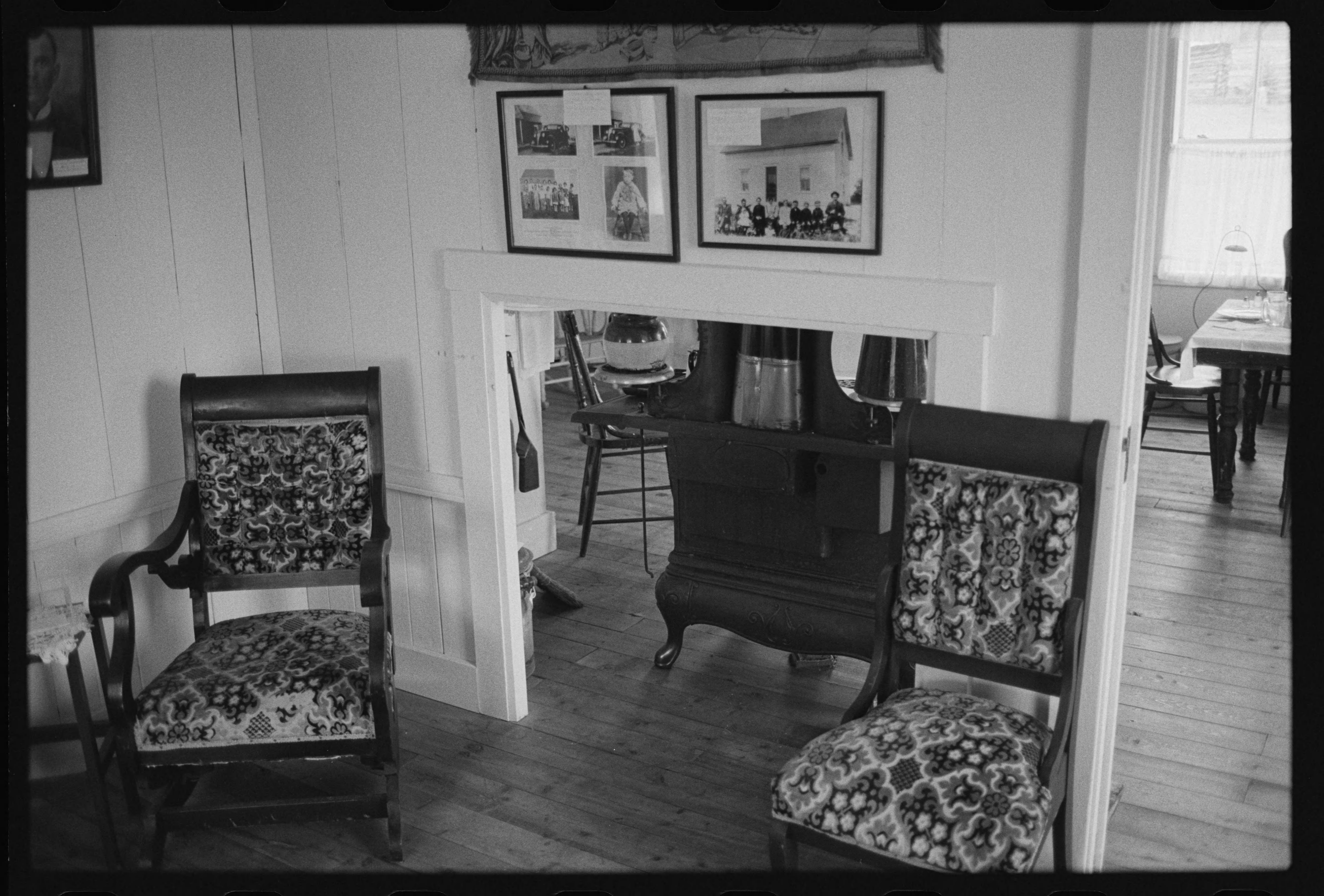
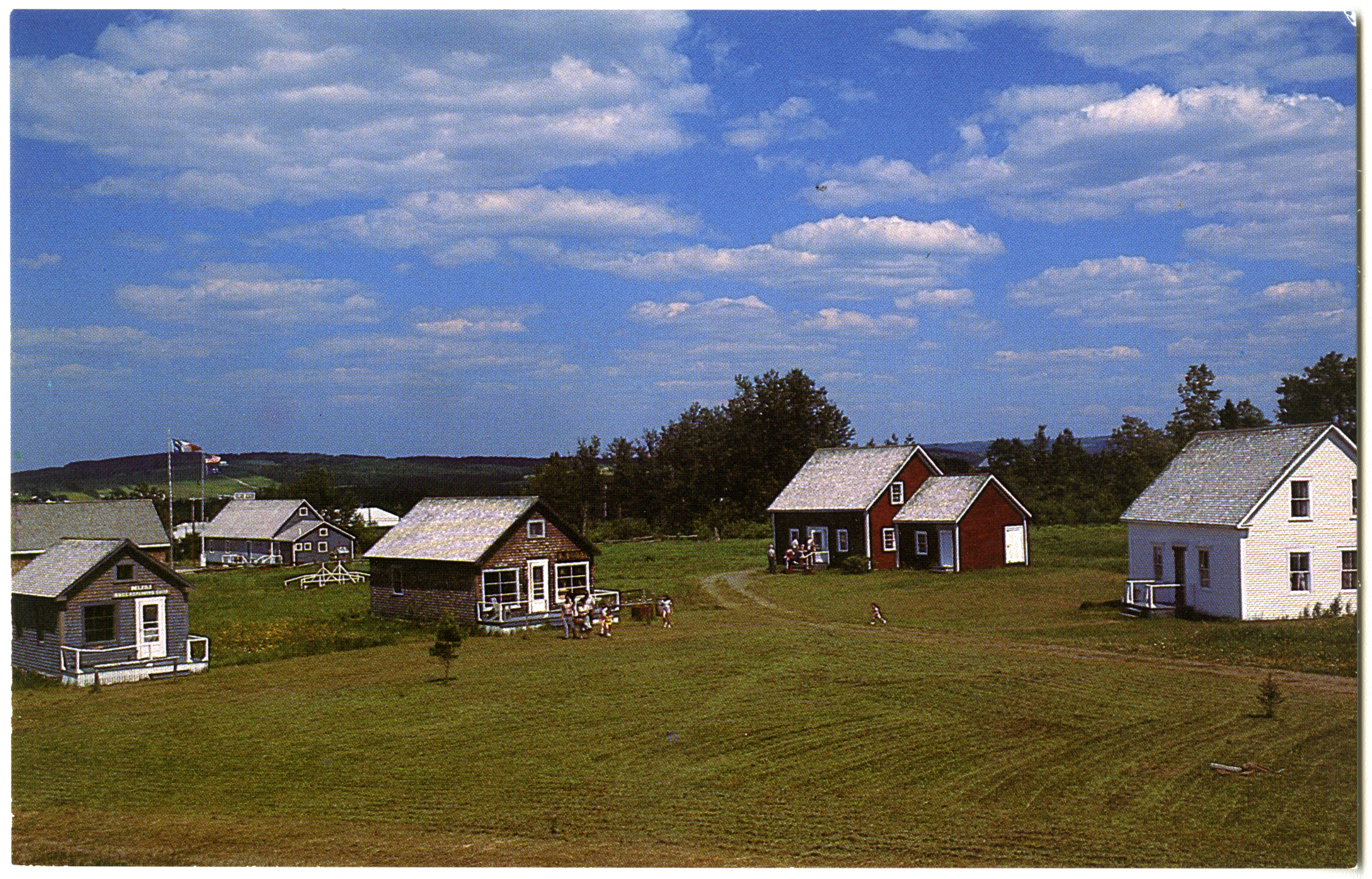
Located in Van Buren, the Acadian Village is an open-air museum on the National Register of Historic Places featuring 17 buildings open to the public reflecting everyday Acadian life. The buildings, including a schoolhouse, blacksmith shop, country store, barn, chapel, and several residences, were either moved to the village from other communities in the area or are replicas. The historic buildings mostly date to the 1800s, though several remained in use into the 20th century, reflecting the continuity of Acadian life in the region.
Open seven days a week from mid-June to mid-September, the Acadian Village is not just a static museum, but a place of living culture where Acadian identity is celebrated. Locals and visitors alike can experience traditional storytelling, music, and food, such as ployes and creton, as well as special events that include genealogy presentations.
Author: Stephanie Bouchard