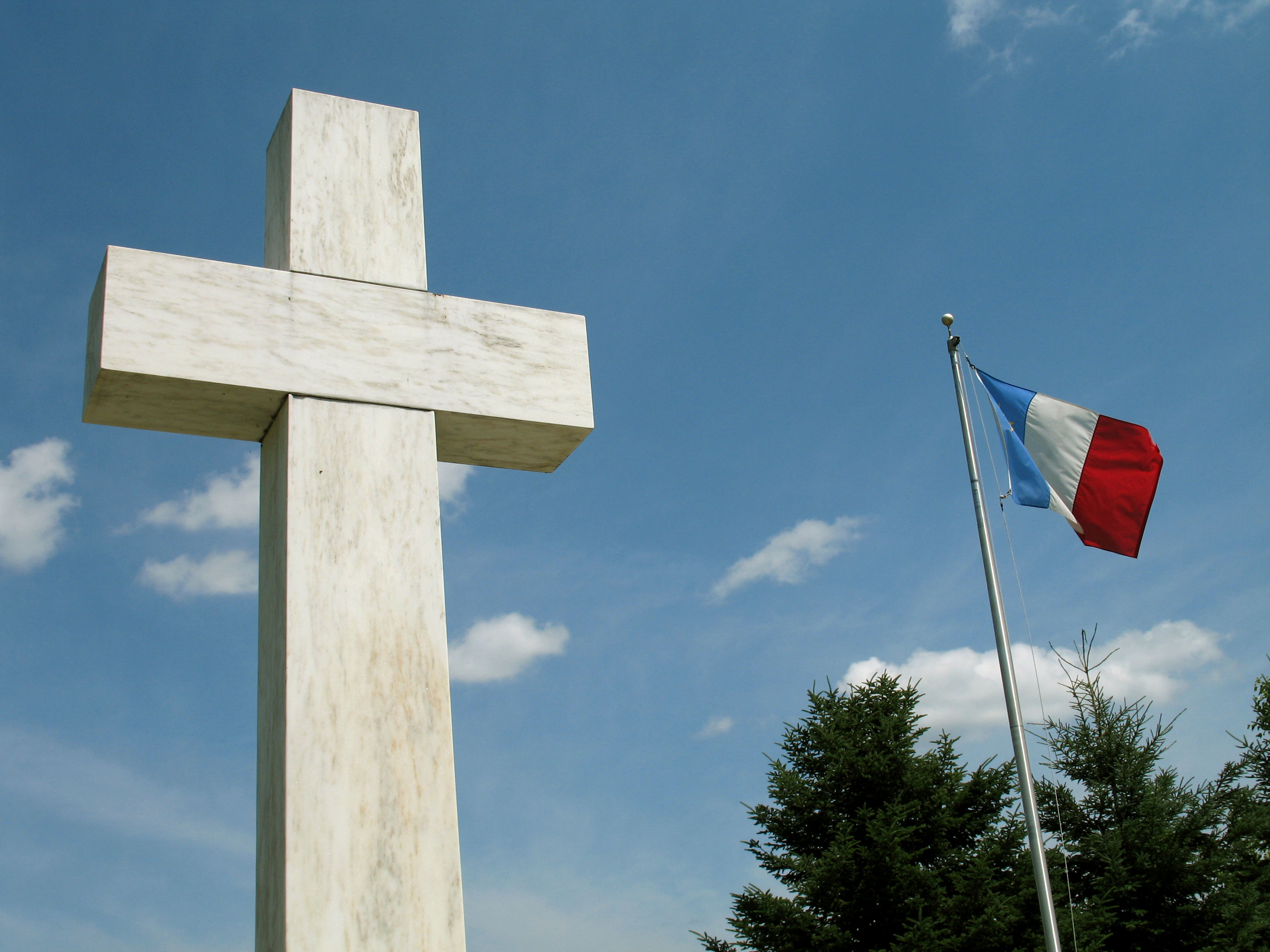
Acadian Memorial Landing Cross
Maine Office of Tourism
Three-tenths of a mile from Route 1 and a few hundred feet from the St. John River is a large stone cross. This cross doesn’t mark a burial but, rather, a beginning. According to local tradition, it was near this site in 1785 that a group of Acadian families erected a wooden cross at the site of their camp. They were fleeing renewed pressure from the British in Canada and arrived outside of what is now Madawaska via river.
It was not the first time the Acadians – French settlers who had established the colony of Acadia during the 1600s and 1700s in today’s eastern Canadian maritime provinces – had been forced from their homes. When Acadia came under the rule of Britain in the 1700s, some Acadians refused to pledge allegiance to the Crown and were deported beginning around 1755. Others avoided deportation and relocated to what is now New Brunswick.
Less than 30 years later, the Acadians in New Brunswick again found themselves under pressure from the British. Exactly how they chose their destination is unclear, but their settlement on both banks of the St. John River established a community that still defines the region today.
In 1922, the Acadian Memorial Landing Cross was erected to commemorate the arrival and legacy of those first Acadians. The site is on the National Register of Historic Places and is part of the Maine Acadian Culture program of the National Park Service.
Author: Stephanie Bouchard