Acadia National Park
Photo: Tim Swan
Visitors to Acadia National Park today experience stunning pink granite cliffs that plunge into the Atlantic, treelined lakes and ponds, and the tallest mountain on the eastern seaboard of the United States. They also experience heavy car traffic as Acadia is one of the most visited national parks. But the park also harbors a carless world: its famed gravel carriage roads, built by a man so determined to keep automobiles out of the heart of Mount Desert Island that he spent millions of dollars and nearly three decades creating them.
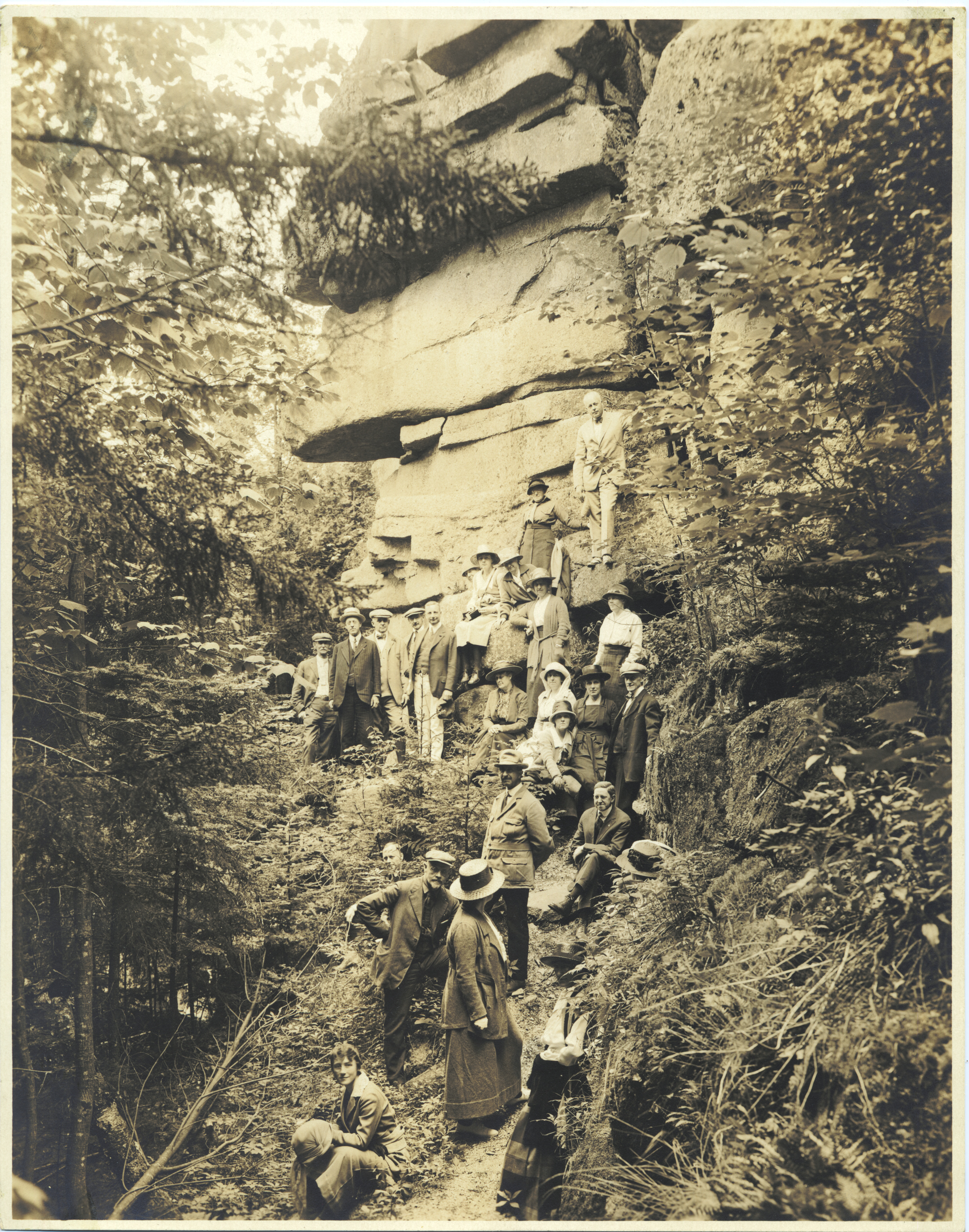
Part of the charm of the island for summer resident John D. Rockefeller Jr. and the other “rusticators” as they called themselves, was its tranquility. As automobiles became more accessible, Rockefeller and others opposed allowing cars onto the island. For a while, there was an outright ban on them.
But cars were coming, and more development, too. In order to preserve the unique environment of the island, a handful of wealthy residents, spearheaded by George Dorr and including Rockefeller, formed a conservation group and began buying up land. By 1913, they had acquired 6,000 acres, which became Sieur de Monts National Monument in 1916 after they offered the land to the federal government for the eventual creation of a national park. That happened in 1919, when Sieur de Monts was renamed Lafayette National Park. The park was renamed Acadia, a nod to the region’s French colonial past, in 1929.
While the conservation group managed to conserve the natural beauty of the island, they couldn’t keep out the automobiles. By the time the federal government designated the national monument, the ban on cars was no more. Rockefeller, however, had embarked on his 51-mile carriage road system that to this day keeps automobiles out of the heart of the park.
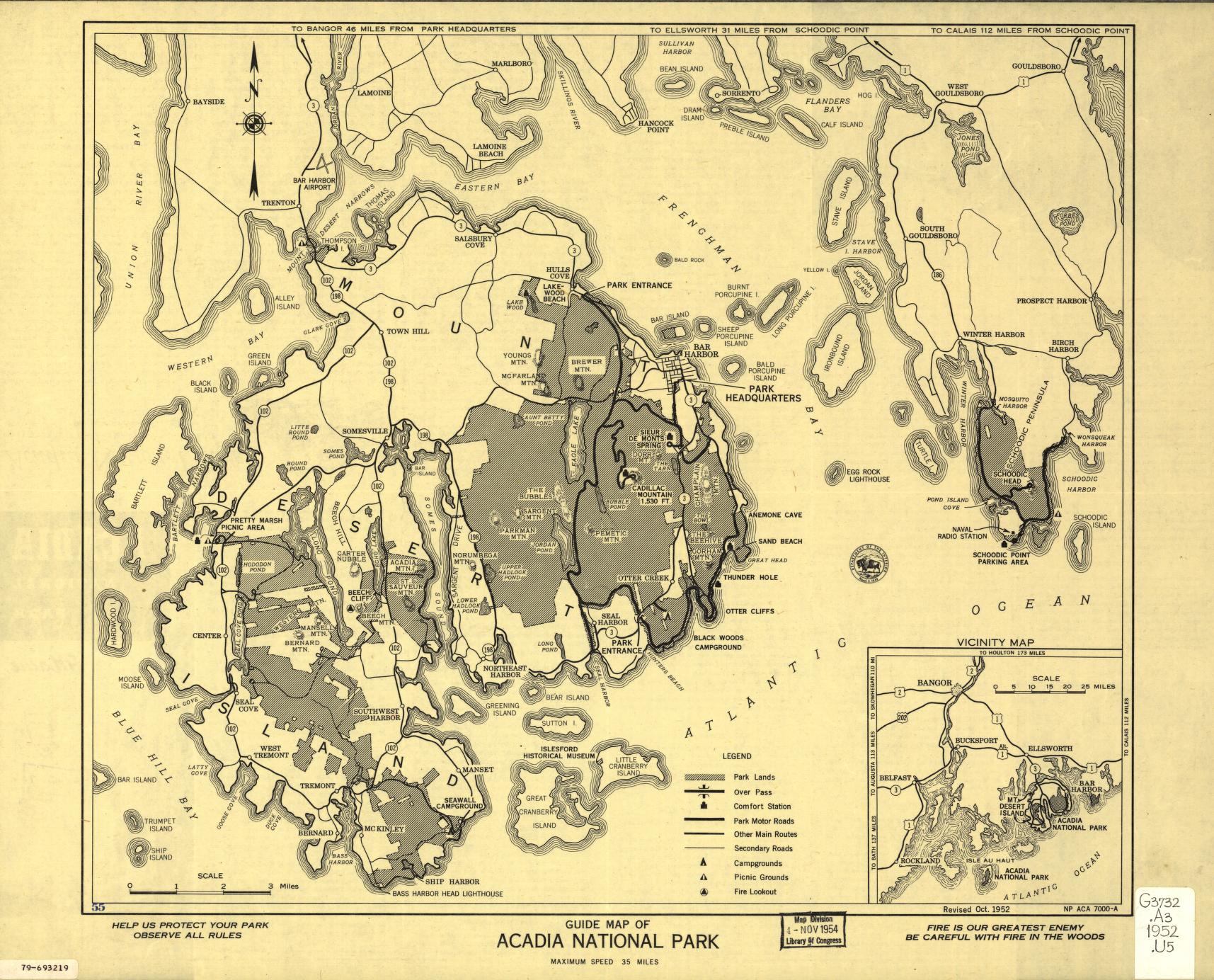
Acadia National Park today encompasses nearly 50,000 acres, extending beyond Mount Desert Island to the Schoodic Peninsula and offshore islands like Isle au Haut. On a summer day, there may be tens of thousands of visitors in the park, yet the quiet and sense of wonder that inspired its preservation are easy to find on its vast network of trails, rocky outcrops and bald mountaintops, birdsong-filled meadows, serene inland waters, and crashing ocean shoreline.
Author: Stephanie Bouchard